
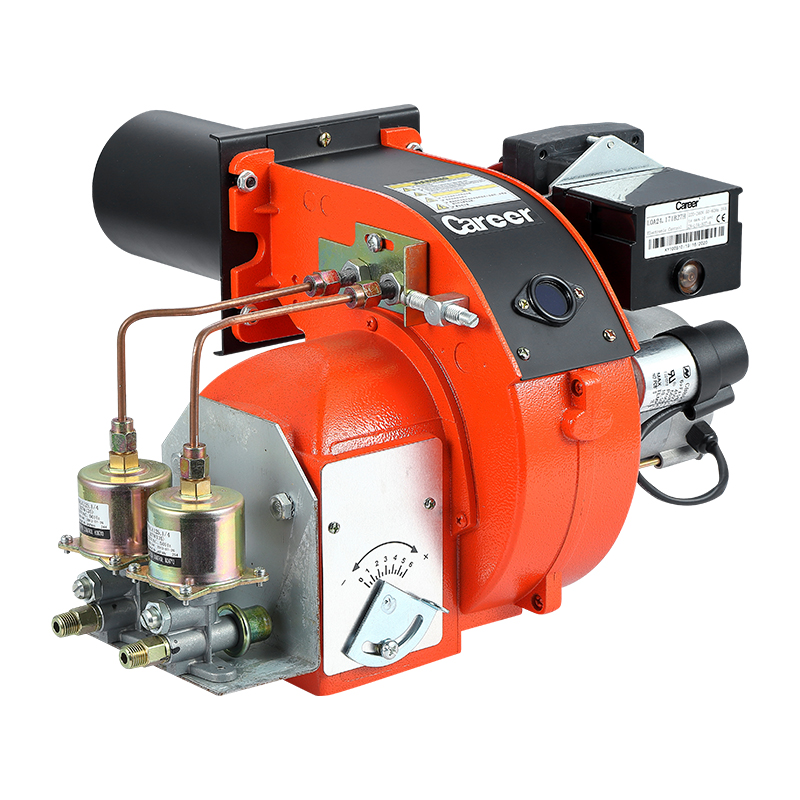
Problem first: why many retrofits stall
Small to mid-size thermal plants often try to drop a methanol burner into an existing furnace tube and expect everything to be sweet. That’s where projects hit snags — mismatched flow, wrong tube metallurgy, unstable ignition, or control systems that can’t cope with methanol’s flame behaviour. If you’re managing a retrofit, the problem isn’t just the burner; it’s the whole burner-tube system and how it talks to the rest of the plant.
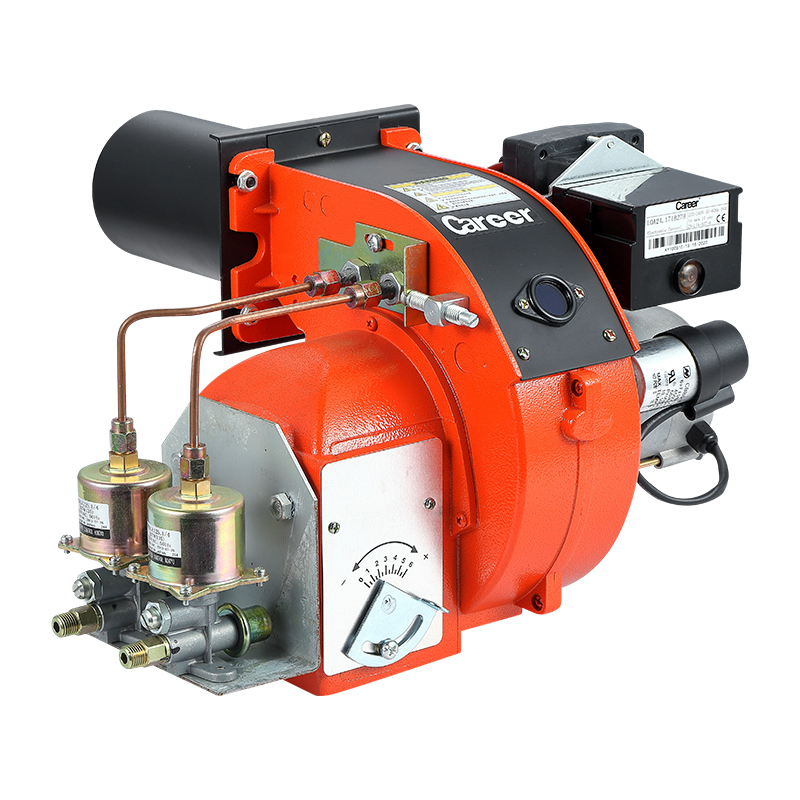
What changes with methanol — short, clear points
Methanol burns cooler than many gaseous fuels but can produce different flame lengths and soot patterns. It’s more corrosive in the presence of water and can affect seals and gaskets. Ignition energy, atomisation quality and precise air–fuel mix matter more than you might expect. Design the tube and burner together, not as separate items.
Common pitfalls that cause failures
Teams repeatedly make the same mistakes: using existing nozzle sizes without recalculation; assuming tube alloys are inert; skipping CFD or simple flow checks; underestimating condensation in cool-down cycles; and leaving control logic unchanged. Those missteps lead to flame impingement, accelerated tube erosion, poor combustion stability, and higher emissions.
Step-by-step approach that actually works
Start with a measured audit: tube geometry, age and alloy; burner mounting and clearance; existing control hardware. Then model the combustion and flow — even a focused CFD or 1D flow check flags obvious risks. Specify nozzle atomisation suited to methanol, assess tube metallurgy for low-temperature corrosion, and design access for inspection. Commission with staged runs: low-fire, stabilise air–fuel, then ramp. Hold back on full-load until soot, temperatures and emissions read correctly across several cycles.
Materials and component choices — be specific
Use alloys and seals rated for mild acidic condensates; stainless grades with proven track records are safer than generic carbon steels. Choose nozzles with fine atomisation and low spray drift. Fit reliable ignition and flame-monitoring suited for alcohol fuels, and ensure control loops can adjust supply and purge timings automatically. Don’t skimp on accessible inspection ports and local thermocouples.
Alternatives — quick comparisons
If methanol looks finicky, compare it to natural gas, LNG or hydrogen pragmatically: natural gas often needs less nozzle change but demands pipeline availability; hydrogen needs full redesign for embrittlement and safety; LNG brings cryogenic handling. Methanol sits between ease and risk — liquid handling logistics are simpler than cryogenics, but combustion and corrosion need attention.
Real-world anchor
Major ports and refineries have publicly run trials converting burners to liquid fuels and documenting lessons learned — for example, pilot programmes around the Port of Rotterdam that examined methanol as a marine and industrial fuel; those tests emphasised burner-to-tube matching and robust monitoring for corrosion, and they informed practical specs for a methanol fuel burner setup in large, active installations.
Maintenance and testing routines to keep the plant reliable
Inspect burner tubes after the first 100 hours and then on a shortened schedule for the first year. Monitor for hotspots, pitting and soot. Keep a log of ignition performance and any control corrections. Replace gaskets and seals on a defined interval rather than waiting for failure. Train operators on purge sequences and low-fire behaviour; small operator habits make big differences.
Bottom line
If you approach integration by solving the real problems — matched hydraulics and combustion, correct metallurgy, staged commissioning and disciplined maintenance — methanol can be a practical choice for regional plants. Years of retrofit work show it isn’t a one-part swap; it’s a system change. For practical components and designs that reflect those lessons, consider the supplier options and documented specs from Career Burners, which align with the hands-on steps outlined here and cut straight to what needs doing on site.