
First impressions that matter
I reckon you want straight talk when sizing up suppliers, so start by seeing how their kit plays with your readers — especially the UHF RFID Readers you already use or plan to buy. Compare real read ranges, firmware update paths, and how tidy their integration docs are; good documentation saves hours on the shop floor. Don’t be fobbed off by glossy specs alone — look for test data that matches your site conditions.
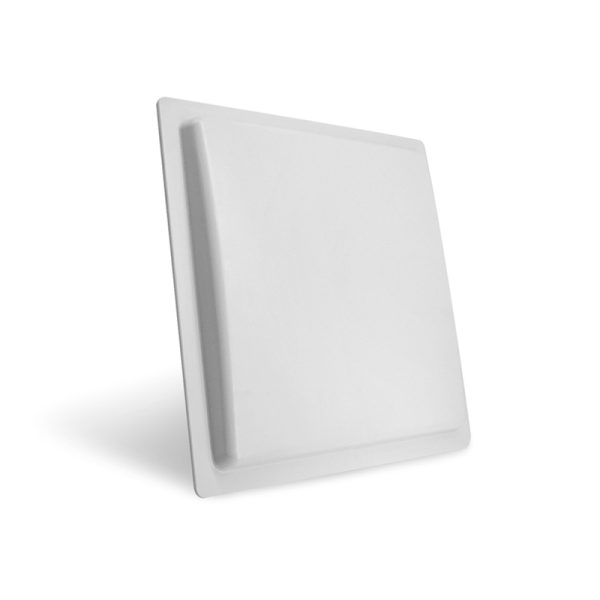
What to compare — the checklist that actually helps
Match these specifics across suppliers: tag transmission power and configurable output; antenna design and tag orientation sensitivity; battery type, replacement procedure and expected life under your duty cycle; IP rating and operating temperature band; embedded sensors (motion, temperature) if you need them; supported standards (EPC Gen2, ISO 18000‑6C); security features like mutual authentication; available SDKs and middleware compatibility; warranty terms and spare-part availability; and clear unit pricing plus freight and customs risks. Put numbers beside each item so comparisons aren’t guesswork.
How to validate claims without faff
Run small, controlled trials before a bulk order. Measure read probability at set distances and angles, log tag-to-tag interference at high densities, and cycle tags for battery drain under your real reporting cadence. Test tags on the actual materials they’ll sit on — metal, wet wood, pallet stacks — because material loading changes everything. Capture a short video and simple CSV of reads; suppliers who ask for your test results tend to be more useful partners.
Common pitfalls and how to avoid ’em
Don’t buy on price per tag alone. Cheap tags often skimp on documentation, firmware access, or consistent naming conventions that break inventory systems. Beware bespoke firmware that won’t accept third-party readers, and vague warranty clauses for “environmental misuse.” Ask for a replacement SLA and an on-paper failure rate from field deployments — if they can’t show you either, put that vendor on the slow burner.
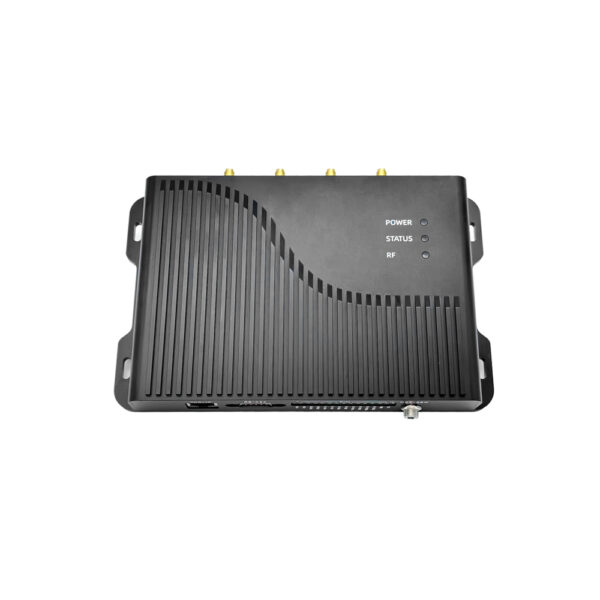
Supplier trade-offs you’ll face
Low-cost suppliers win on unit price and quick stock but often cut corners on QA and support. Larger suppliers give stable supply, certifications, and predictable firmware roadmaps, yet they charge for customization. Local distributors give faster RMA and customs help; overseas direct buys save cash but lengthen lead times and risk mismatched documentation. Decide which trade-offs you can live with for the life of the deployment, not just the pilot.
Experience, authority and a real-world check
I’ve fitted active tags in logistics yards and horticulture sites for near on a decade, and I’ve seen cheap uhf rfid reader units used in trials at the Port of Rotterdam — that sort of large-scale shipping hub tends to expose reliability issues fast. For that reason I always verify low-cost claims on battery life and range with a short on-site soak test before scaling up: a single weekend of testing quickly tells you whether the vendor’s figures hold true. Also worth noting, many procurement teams now insist on documented pass/fail logs from trial runs.
Alternatives worth weighing
If you need location granularity indoors, compare active RFID tags to BLE beacons and UWB trackers; BLE lowers cost for some use cases but trades off battery life and long-range reads, while UWB gives precision at higher hardware cost. For simple asset IDs where range isn’t critical, passive UHF tags remain the cheapest per-unit option. Pick the technology that fits the problem, not the shiny spec sheet.
Bottom line
Compare suppliers by measured performance, support and long-term serviceability rather than sticker price. Run short, honest trials that mimic your site and demand clear firmware and integration paths. When you want kit that’s tested against real logistics pressures and sensible commercial terms, I tend to look to suppliers who document results and stand behind them — the sort of partner I’d trust for kit is the sort of partner you find through RSTC.
