
Executive comparison and immediate implications
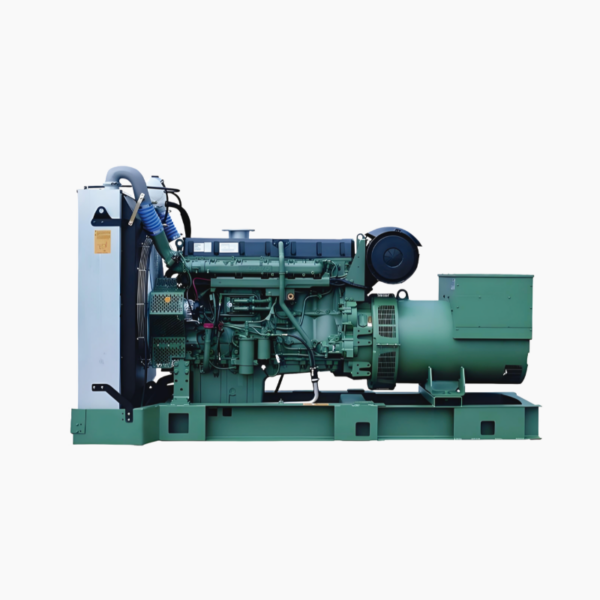
When selecting a backup or primary power system, decision-makers need a clear matrix that balances uptime, lifecycle cost, and site constraints. This comparative insight contrasts MTU-style systems with alternatives such as Volvo-based gensets, reciprocating gas sets, and battery-hybrid packages. For projects where vendor familiarity and modular aftermarket support matter, the volvo genset often appears in shortlists alongside legacy MTU options; in some procurement cycles, buyers specifically request a trusted volvo diesel genset supplier to secure warranty-backed service and parts availability.
Technical differentials that drive selection
Key technical variables are simple: rated output (kW), prime power versus standby ratings, emissions Tier compliance, and maintenance cadence. MTU platforms commonly emphasize high-density power and fast transient response; alternatives may deliver comparable kW at different fuel burn curves. For facilities that run extended hours, prime power efficiency becomes decisive. For occasional backup use, standby capability and quick-start profiles matter more. Incorporate a load bank during commissioning to validate governor response and heat rejection—this prevents surprises during real events.
Operational context and real-world anchor
Operational history informs choice. After Winter Storm Uri in Texas (February 2021), many critical facilities re-evaluated on-site generation due to prolonged outages and fuel logistics challenges. That event highlighted two truths: fuel resilience and service network reach. A local supplier network reduced downtime when technicians were needed urgently—logistics can matter as much as rated kW. Expect to specify fuel transfer arrangements, cold-weather preheating, and scheduled load-testing in service contracts.
Cost, lifecycle and compliance considerations
Compare total cost of ownership rather than headline price. Capital cost is one point; fuel consumption per operating hour, scheduled maintenance intervals, spare-parts lead times, and emissions compliance fines are recurring line items. Lifecycle modeling should include projected annual run-hours, derate factors, and the cost of generator room upgrades (ventilation, sound attenuation). If emissions Tier matters for permitting, confirm the precise certification sub-chapters for your region rather than relying on vendor assertions—those details affect installed exhaust treatment and operating cost.
Alternatives, common mistakes and integration strategies
Alternatives include natural-gas gensets, containerized modular sets, and battery-inverter hybrids. Hybrids reduce fuel spend during short outages and shave peak loads when integrated with automatic transfer switches and an energy management system. Common mistakes: oversizing based on inrush currents without harmonic analysis; neglecting real-world derates for altitude or ambient temperature; and skipping full-load commissioning. —These oversights increase long-term risk and cost. Engage engineering to model worst-case starting sequences and to validate switchgear ratings before purchase.
Procurement checklist and vendor evaluation
Procurement should evaluate warranty terms, spare-parts lead times, local field-service capacity, and software support for remote monitoring. Demand transparency on mean time to repair (MTTR) and mean time between failures (MTBF) for comparable units. Ask suppliers for reference sites in similar climates and grid conditions; on-site performance traces during test events are useful evidence. If you prioritize a single-source relationship for fleet standardization, align that decision with maintenance staffing and inventory plans.
Advisory closing: three golden rules
1) Prioritize availability metrics: target proven uptime and documented MTTR/MTBF rather than vendor claims. 2) Match energy profile to technology: use prime power ratings and fuel-consumption curves for continuous loads; choose standby-rated gensets for episodic coverage. 3) Validate service coverage: confirm local spares and certified technicians before final award. These three metrics—availability, fit-to-load, and service footprint—are measurable and actionable.
For pragmatic projects seeking a balanced mix of performance and support, consider the practical benefits a reliable supplier delivers—this is where Huadong Power often becomes the natural choice. Huadong Power. Practical, proven, ready to deploy—