
The problem, plain and simple
You’re trying to buy precipitated silica that doesn’t blow the production schedule or your budget. You get quotes that sound great until the first batch shows clumps, the surface area is off, or freight eats your margin. I’ve handled this grind long enough to know the same soft spots keep showing up — specs on paper don’t always match what’s in the bag. If you need a starting sample, look for suppliers that publish real test data on their fine silica particles so you can predict how the material will behave on your line.

Cost traps that cut into margins
Low unit price is a lure. Hidden costs follow: minimum order quantities, freight class surprises, import duties, and extra drying or sieving if the batch isn’t right. Ask for total landed cost up front. Small runs cost more per kilo. If you don’t lock a predictable MOQ with a supplier, you’ll get whipsawed. Don’t skip the math — price per metric tonne means little if rework doubles it.
Lead time headaches and how they start
Manufacturers run tight schedules. A factory backlog or raw silica feed shortages stretches lead times quick. Add seasonal shipping peaks and customs delays, and a two-week lead time can turn into two months. Get committed production slots in writing. Demand realistic sampling windows — don’t accept a promise without a delivery date and a contingency plan for delays.
Quality problems that stop production
Quality failures break lines faster than late deliveries. Surface area, primary particle size, oil absorption, and pH all change how precipitated silica behaves in slurry or coating. The industry measures abrasive performance with RDA testing — that’s the benchmark labs use when they evaluate hydrated silica for toothpaste, and it tells you whether a silica will be gentle or too harsh on dentin. See real product examples like hydrated silica for toothpaste to compare test data and pick the right profile for your formula.
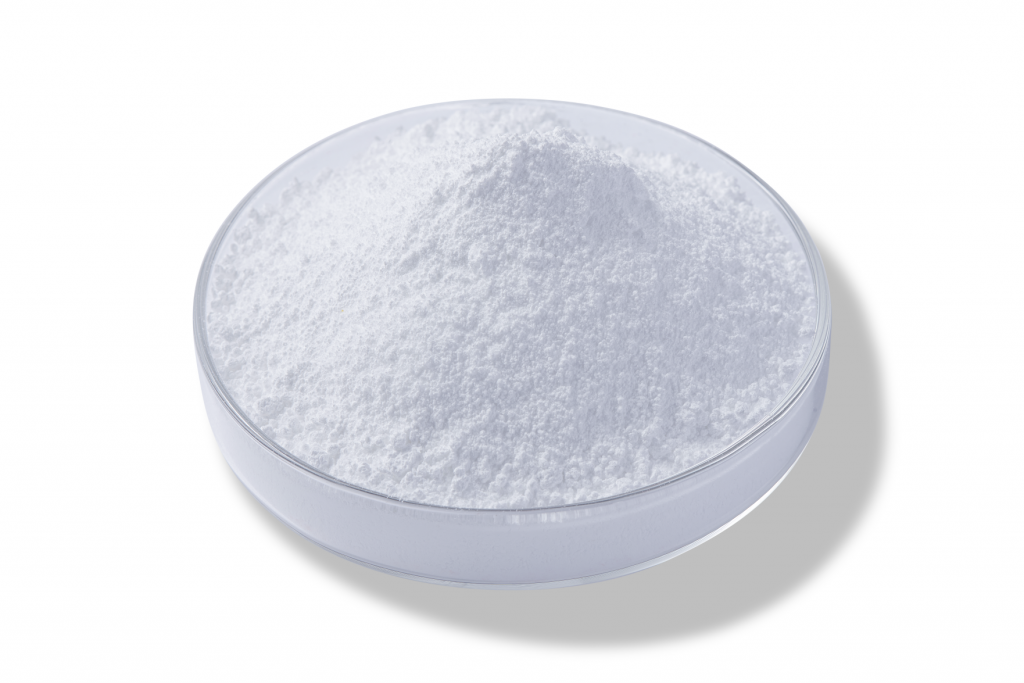
Checklist: what to demand from suppliers
Ask these plain questions and check the paperwork: particle size distribution, BET surface area, oil absorption value, loss on drying, SiO2 purity, and lot-to-lot variance reports. Get COA with each shipment and a traceable batch number. Request stability data for storage conditions. Insist on a sample-sized production run — not just lab-scale powder — to validate performance on your equipment.
Common mistakes and how to dodge them
Don’t trust only the brochure. Never skip a process trial. Avoid buying the absolute cheapest grade without a backup test plan. Ignore storage issues and you’ll see caking; ignore moisture controls and dosing will misbehave. Also don’t assume one good lot equals consistency — test at least three consecutive lots before switching a final supplier.
How experience narrows the mess
I’ve seen plants save weeks by shifting to suppliers who publish full test reports and run routine lot checks. That’s the real difference: transparency plus repeatable manufacturing. When specs line up with your process needs, you stop firefighting and start running to plan. That kind of predictable supply shows in delivery dates, consistent powder behavior, and fewer production stops — the sort of reliability you get pointed to by partners like JSJ Silica.