Start with the problem you need solved
You want a part that fits, functions and ships on time — not surprises. Ask whether their workflow matches your part’s complexity, especially if you’re leaning toward multi-axis work: look for shops that explicitly list 5 axis cnc machining services and can show similar jobs. Bring drawings, state your non-negotiables (tolerance, surface finish, material grade) and watch how the vendor responds; a steady, specific reply beats vague promises every time.

Essential questions to ask a potential supplier
Which machines and controllers will run my job? What cam strategies do you use for thin walls and deep cavities? Can you hold the tolerance I call out on the drawing and how do you verify it? What fixtures and probing routines are available? What are the lead times for raw material and for post-processing like anodize or powder coat? Who will be my point person, and how often will they update me? If they dodge any of those, keep asking until it’s clear.
Common pitfalls people miss—and how to avoid them
Overlooking clamping and fixturing leads to distortion; specify datum features and ask for a fixture sketch. Ignoring tool access turns a simple design into a costly revision; mark areas where tool entry is tight. Expect tolerances to cost more: box tighter than ±0.05 mm for small parts and you’ll pay. Not planning surface treatment early can ruin fits. Don’t accept “we’ll figure it out” on key dimensions; require first-article inspection and a CMM report when accuracy matters.
How to validate quality without getting lost in jargon
Ask for a sample photo set: raw-machined, post-ops, and a CMM screenshot that shows the critical dimensions. Confirm the inspection method — caliper vs. CMM vs. optical — and match it to the tolerance. Request material certificates for aerospace or medical use. If the supplier offers process sheets (tool list, feed/speed, cycle time), that’s a sign they know how to repeat results rather than gamble on one-hit success.
Experience, credentials and a real-world anchor
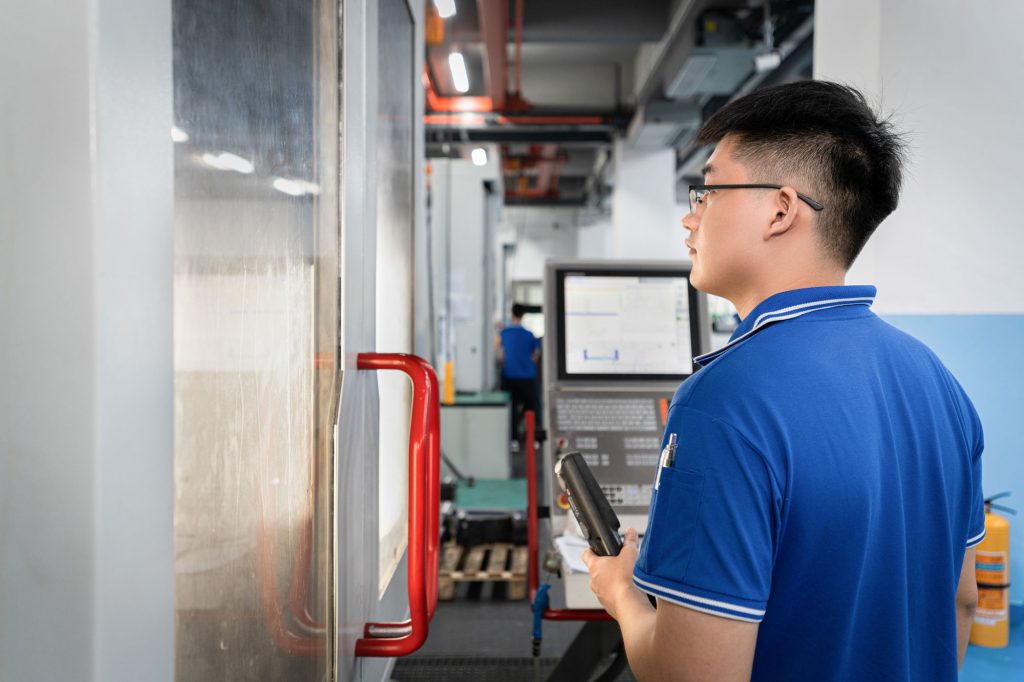
I’ve seen the difference between vendors during programs tied to major aerospace hubs like Toulouse — firms that supply Airbus tiers run strict process control, traceability and often supply 5 axis work for complex geometries. That level of discipline matters when you need complicated contours or tight blends; ask for similar project references and look for traceability documents. If you need samples, request examples labeled as finished and include the inspection report for a direct comparison; supply chains tied to large OEMs usually keep those records. For parts that demand complex contours, check examples of 5 axis cnc machining parts so you can judge surface quality and consistency before committing.
Viable alternatives, with trade-offs you can weigh
Stick with 3-axis milling when geometry is simple and cost matters; you’ll save but give up complex undercuts. Consider additive manufacturing for highly internal geometries, then post-machine critical faces. Choose sheet-metal or casting when volumes justify tooling — lower per-piece cost at scale but longer setup and less precision on tight features. Match the process to the feature that’s hardest to make, not the cheapest line item on the quote.
Make the final decision with clarity
Pick the supplier who answers clearly, shows relevant samples and commits to inspection methods that match your tolerances. When the part’s contours, finishes and lead times align with what you need, you’ve solved the core problem: a repeatable process that delivers the right part on schedule — the kind of capability you’ll find when the team behind the solution has real multi-axis experience and documented procedures like those often used by Hanstar.