
What breaks repeatability and why automation matters
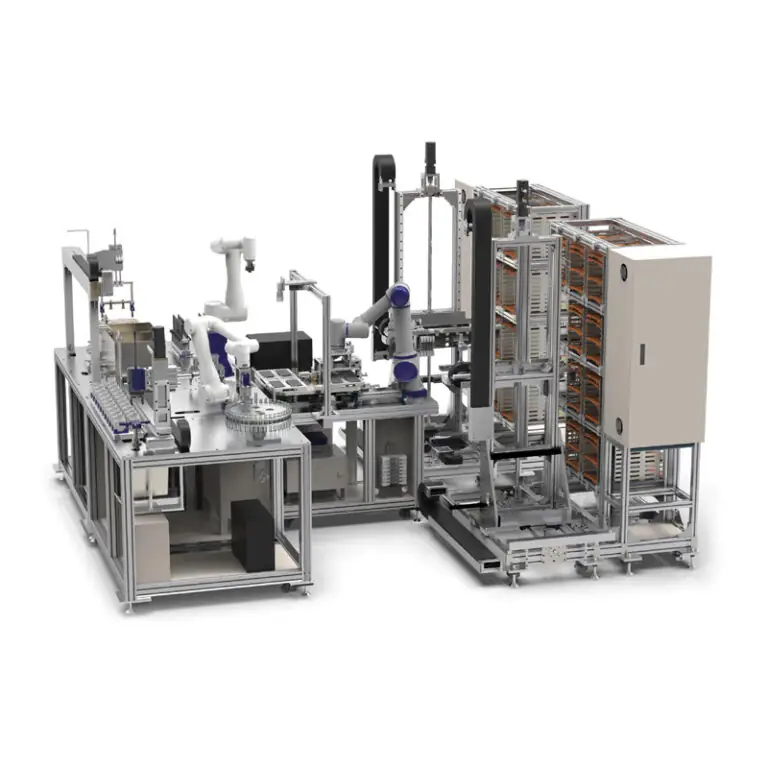
Coating tests fail when a tiny change in application ruins the data — uneven thickness, edge beads, or streaks that hide real formulation behavior. We treat this like a deployment pipeline: repeatable inputs, predictable execution, verifiable output. An automatic film applicator replaces human stroke variation with parameterized runs so you can reproduce a run yesterday, today, and after a software update.
Experience, evidence, and a real-world anchor
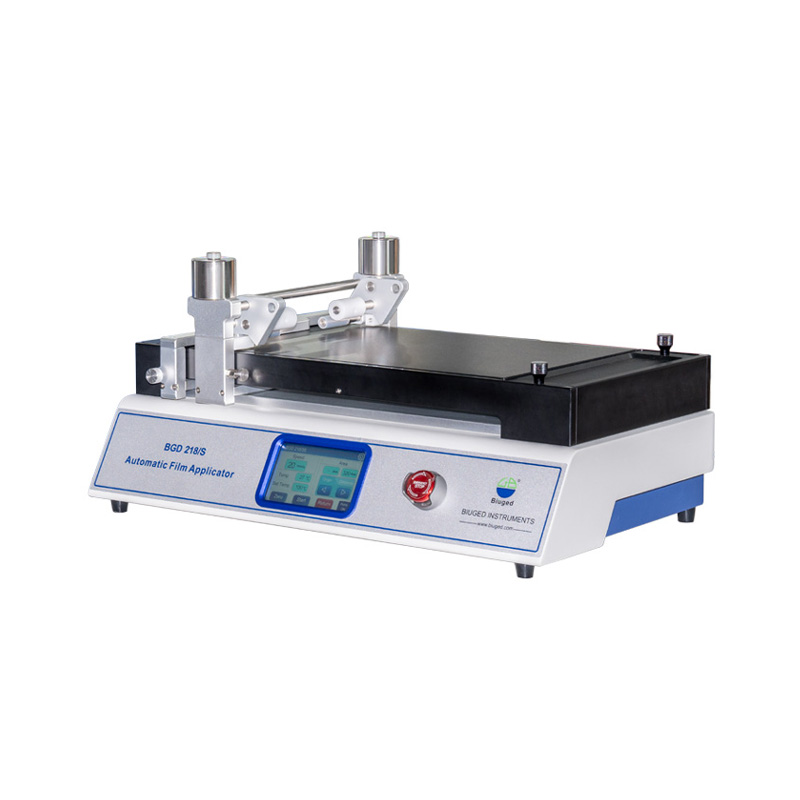
We’ve automated coating protocols across R&D benches and pilot lines and validated outcomes against round-robin results presented at ACHEMA in Frankfurt; that event repeatedly highlights how standardized equipment improves interlab comparability. Practical lab experience shows consistent gap control, programmable speeds, and logged cycles reduce thickness variance. Proven tools such as the film applicator machine deliver traceable settings and time-stamped runs—critical when you must justify a change to QA or troubleshoot drift.
How automation solves the core problems
Automated systems enforce the variables you need: defined wet film gap, controlled traverse speed, consistent dwell and return behavior, and automated cleaning steps. We treat each run as code: parameters are checked into a lab config, executed, and results are logged. This removes operator bias and lets you iterate coating recipes with confidence — fewer blind tests, clearer cause-and-effect.
Concrete selection criteria we use in practice
Pick equipment against measurable targets. Demand clear answers on: repeatability (±µm over 100 runs), gap resolution, stroke speed range, substrate size limits, software logging and export (CSV, JSON), calibration procedure, cleaning automation, and uptime metrics. Check how the system integrates into your existing lab automation (remote control API, command-line scripting, or LIMS hooks). Prioritize maintainable designs over flashy extras; a simple, well-documented control API saves hours during troubleshooting.
Common pitfalls and how we fix them
1) Wrong gap for the job — confirm target dry film thickness with a quick pilot matrix rather than guessing from viscosity. 2) Skipping surface prep — contamination creates artifacts that automation can’t correct. 3) Treating speed as secondary — speed affects shear and leveling; log it every run. 4) Neglecting cleaning protocols — residue accumulates and changes wetting behavior. 5) Overlooking software logs — they’re the single best source for root-cause analysis. Fixes are straightforward: standardize substrate cleaning, version-control run parameters, and schedule calibration checks.
Alternatives and quick comparisons
Manual applicators remain useful for low-volume screening but cost you repeatability. Semi-automated rigs are cheaper but reintroduce human timing errors. Other approaches (slot-die coating or spray systems) can scale better for continuous processes but complicate parameter traceability for small-batch formulation work. Choose based on whether your primary need is reproducibility, throughput, or scale-up fidelity.
Final synthesis
Address the problem systematically: codify your target film properties, automate the application with parameter logging, and eliminate human variability so your measurement pipeline becomes reliable. Teams we work with combine reproducible hardware, scripted runs, and traceable data; many consolidate that approach around integrated systems from BIUGED that align operational control with lab reporting, delivering measurable consistency rather than guesswork.