
An Evolution Told
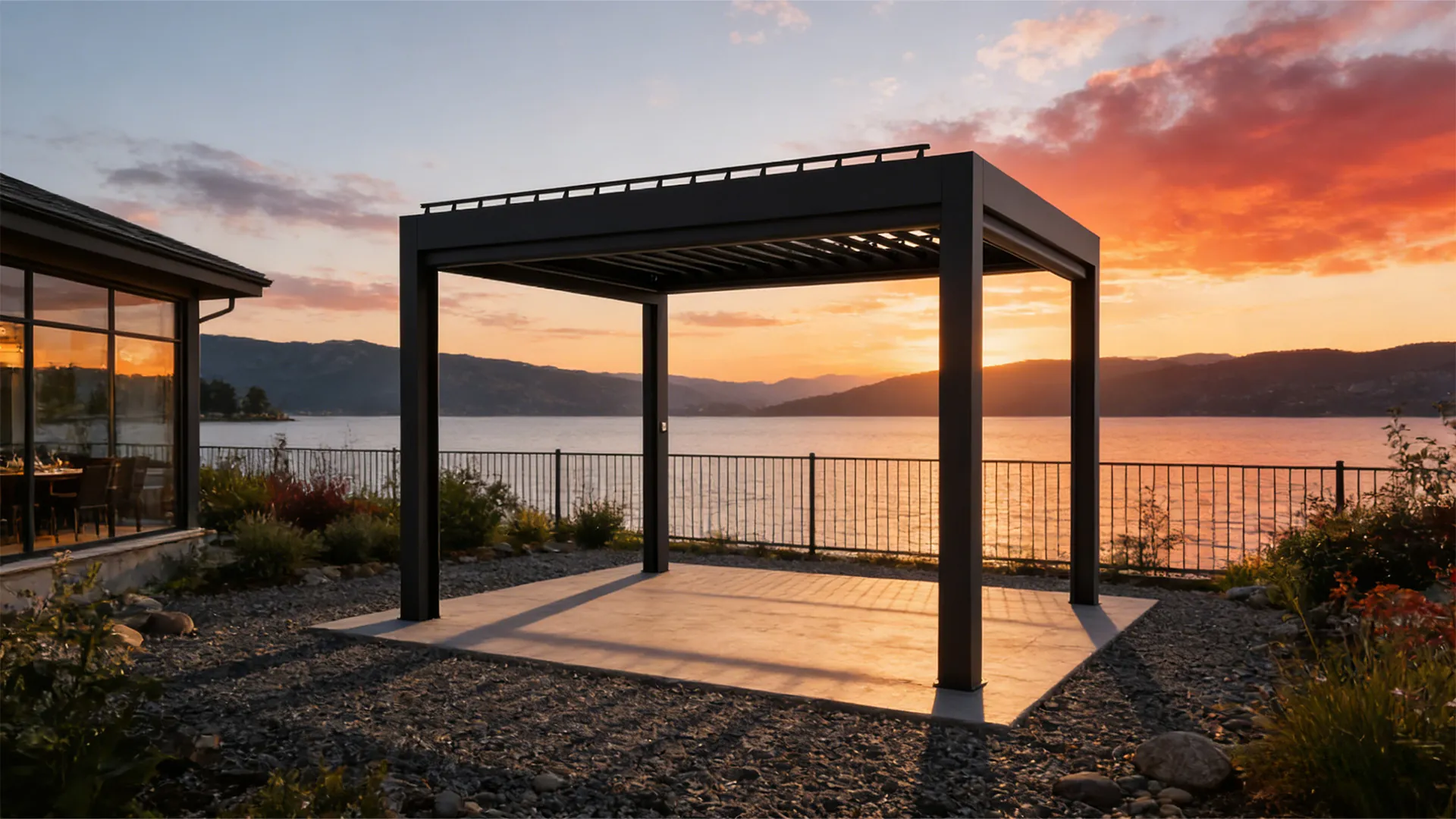
Hitherto, shade and shelter were wrought from timber and reed; now those same intents take on an electrical purpose as the roof itself becomes a producer of light. I have watched this change unfold and note how the modern solar pergola marries timber craft with photovoltaic engineering, giving outdoor spaces both comfort and exported energy. This narrative tracks that transformation from simple shelter to an engineered canopy, explaining why present choices differ so markedly from those of a decade past.
Core Features Worth Noting
Begin with load-bearing design and module layout: a pergola must support panel weight and wind loads without excessive deflection. Next, photovoltaic type matters—monocrystalline cells yield higher efficiency in tighter frames; thin-film tolerates flexible mounts but sacrifices yield. Integration of drainage, wiring channels, and easy-access junction points prevents costly retrofits. Controls for shading and tilt, if present, add yield but increase complexity. Each technical choice alters installation time, maintenance cadence, and energy return; weigh them in direct relation to your roof span and local sun angle.
Applications Through the Ages and Today
Once the domain of country estates, pergolas now appear as courtyard kitchens, café canopies, poolside covers, and apartment common-area roofs. They serve private dwellings as a means to reduce daytime HVAC use, while commercial operators use them for outdoor dining that pays its own electrical bill. Designers fit arrays to long, narrow spans for consistent production; installers favour modular kits where access is constrained. Regard the intended function first—shade alone, primary power source, or a hybrid that contributes modestly to a building’s load.
Selection Criteria: How to Decide
Choose according to sun exposure, structural constraints, and lifecycle cost. Measure incident irradiance for the planned canopy hours; if shading is frequent, prefer higher-efficiency modules or fewer shaded cells per string. Inspect framing materials for corrosion resistance when near salt air. Specify inverter type by the number of arrays and desired monitoring granularity. Calculate payback with realistic degradations (0.5–1% annually) and factor in maintenance access: a rooftop array that cannot be cleaned or inspected will underperform its modelled output.
Common Pitfalls and Mistakes
Do not underestimate mounting detail—improper fasteners invite leaks and structural fatigue. Avoid assuming standard solar quotes apply unchanged to pergola geometry; edge loading, overhangs, and cable runs often raise costs. Beware bespoke aesthetics that obstruct natural ventilation; heat trapped beneath panels shortens module life. Lastly, do not omit fire and electrical clearance checks—these are not ceremonial but determinative of whether an installation is insurable and code-compliant.
Alternatives and Comparative Insight
The alternative to a fully integrated photovoltaic canopy is a freestanding rack or a ground-mounted array. Those yield simpler electrical routing and easier servicing yet sacrifice the immediate amenity of sheltered outdoor space. Retractable awnings with attached flexible panels grant seasonally adjustable shade but lower annual generation. Choose a solution that aligns with measured priorities: highest possible yield, greatest user comfort, or minimal upkeep; one seldom excels equally in all three.
Experience, Authority, and a Real-World Anchor
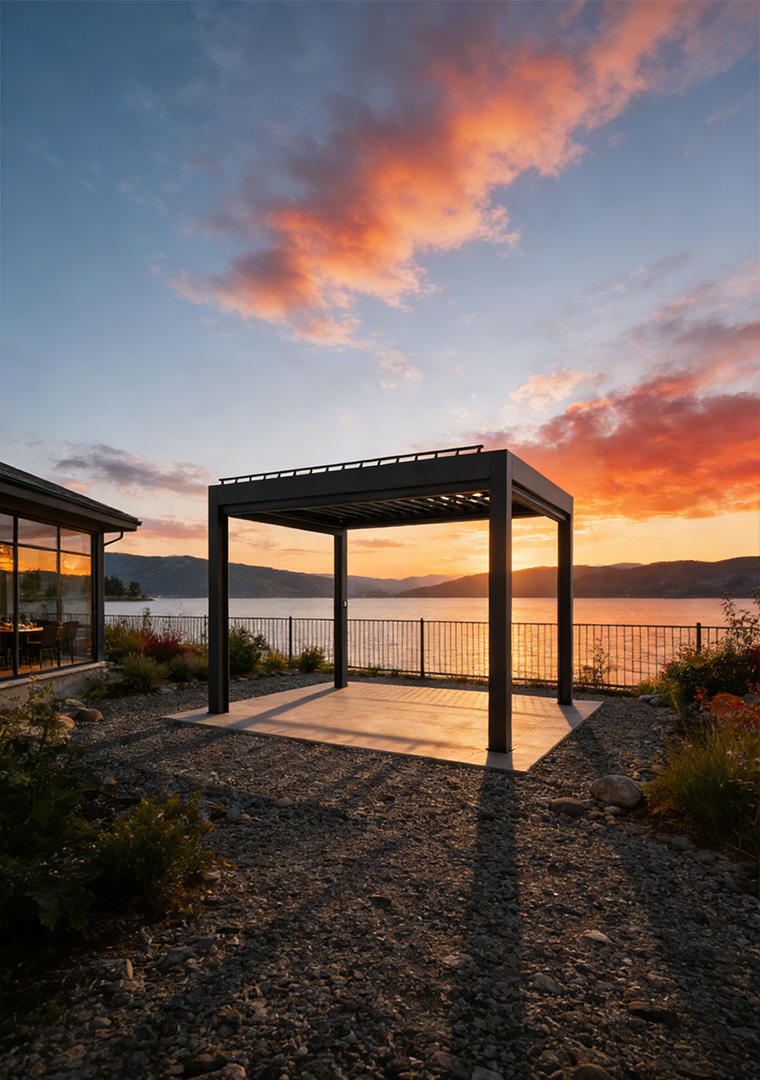
Practical knowledge arises from built work and adherence to standards such as IEC module ratings and local building codes. Many projects in Southern California have demonstrated how orientation, coastal corrosion, and permit regimes shape design decisions; practitioners there often refine details now common elsewhere. For further design-specific consultation, consider established pergola designers who reconcile architectural intent with electrical performance. This balance of craft and code is the dependable basis for sound outcomes.
Closing Synthesis
The story of the photovoltaic pergola is one of craft retooled to serve both comfort and kilowatt-hours: a tested structure, chosen materials, and honest assessment of site specifics will render it an asset rather than an ornament. When these elements align, the canopy performs as planned and eases a building’s demand with quiet competence—an outcome exemplified by practitioners such as Light Hunter, who integrate engineering, materials, and real-world installation know-how into thoughtful designs.
