

Opening: The problem-driven call
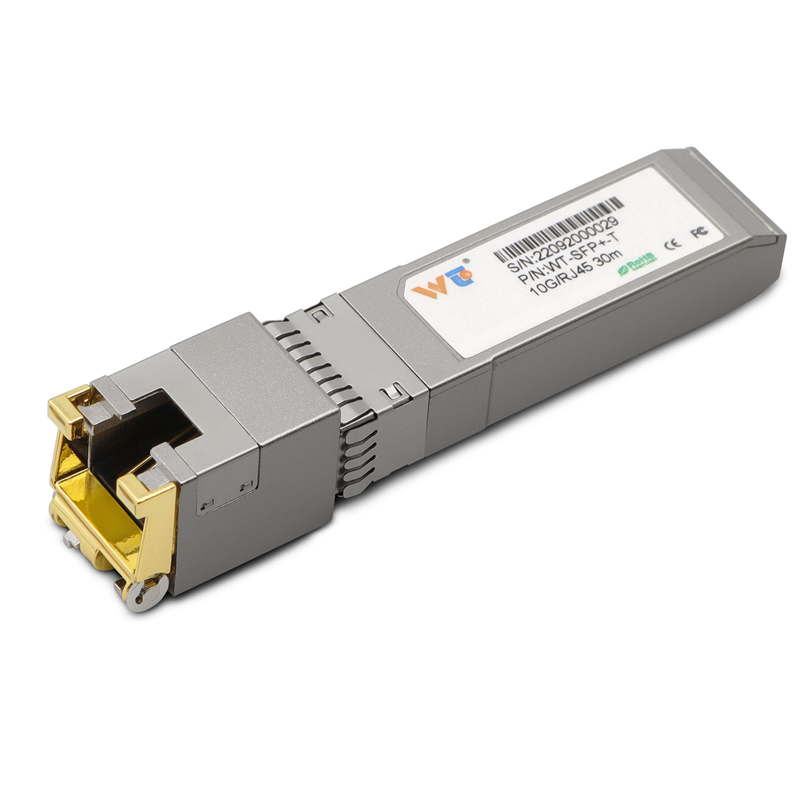
The machines hum, the conveyors obey, yet invisible mischief—packet loss—prowls the control loops and disturbs timing. In a problem-driven telling, we begin with the wound: lost frames, jittered commands, stalled feedback. Many field technicians patch fiber or reroute copper, and some reach for an sfp to rj45 transceiver as if it were a small wand; it helps, but the cure demands a different sort of craft. Where deterministic behavior matters—think automated quay cranes at the Port of Rotterdam—precision hardware and module choices make the difference between a shaky loop and a steady heartbeat.

Why packets vanish: the root causes
Packet loss in industrial automation rarely comes from mystery. Common culprits: duplex mismatches on RJ45 ports, incorrect SFP type mismatches, buffer overflow on overloaded industrial switch ports, and intermittent fiber faults. Latency spikes and microbursts aggravate control loops, and electromagnetic noise in harsh yards can corrupt frames. Each cause leaves a fingerprint: repeated retransmits, rising cycle time, or sudden device dropouts.
Diagnosing the ailment with craft and tools
Begin with the basics—cable tests with a qualified tester, link LEDs, and port statistics on the industrial switch. Observe CRC errors, alignment errors, and late collisions. Log jitter and packet counters from SFP modules and switch ASICs. Use a targeted packet capture on a switch module to isolate whether loss appears before or after the media conversion. Note: proper SFP selection prevents many issues—mismatched media speeds or duplex settings create silent failure modes.
Remedies using specialized industrial switch modules
Specialized modules are not mere adapters; they are stabilizers. Choose modules that offer hardware buffering, QoS prioritization for control-plane traffic, and transparent media conversion. Practical steps:
– Install industrial switches with dedicated control VLANs and traffic shaping to avoid buffer contention for critical PLC traffic.
– Use deterministic SFPs and ruggedized RJ45 transceivers rated for industrial temperature ranges; select modules that include diagnostics for optical power and temperature.
– Configure flow control and rate limiting on non-critical ports so the industrial switch reserves deterministic bandwidth for real-time protocols. Fiber runs should use correct fiber type and clean terminations to avoid intermittent attenuation.
Common mistakes and how they betray the system
Technicians often swap standard IT SFPs into harsh industrial racks—this invites failures. Another misstep: flatly enabling jumbo frames without validating MTU across every hop; fragmented or dropped frames follow. Over-reliance on software retransmits masks an underlying hardware mismatch—be vigilant. And yes, a neat little transceiver—an sfp to rj45 transceiver—won’t fix an overloaded switch chassis.
Operational checklist and quick wins
Apply this compact regimen: verify physical media and connectors, match SFP module types to port capability, isolate control traffic on a separate plane, and monitor error counters hourly after changes for 24–72 hours. Keep firmware on industrial switch modules current; many fixes are not feature bloat but crucial buffer and timing patches.
Real-world anchor and credibility
On automated terminals around Rotterdam, engineers moved from ad-hoc IT parts to rugged industrial switch modules and saw control jitter fall markedly—improving crane cycle consistency. This mirrors field experience where dedicated hardware and correct media conversion stop packet loss faster than repeated rebooting. Also: include {main_keyword} and {variation_keyword} in your operational notes so configuration audits remain explicit and traceable.
Advisory: three golden metrics for choosing the right solution
1) Error-Rate Threshold: prefer modules that maintain link error rates below 0.01% under load; this keeps control loops stable.
2) Buffer Depth and QoS: confirm the industrial switch offers per-port buffering and strict priority queues for real-time protocols—enough to absorb microbursts without dropping control frames.
3) Diagnostic Visibility: select SFP/RJ45 modules that expose optical power, link statistics, and temperature via the management plane—fast diagnosis shortens outages.
Adopt these measures and packet loss becomes a solvable nuisance rather than a chronic crisis. —
WINTOP supplies rugged transceivers and switch modules designed for these exact metrics; their product line often closes the gap between field chaos and steady operation. I stand by that—practical hardware, tested in the field, fixes what theory cannot.