
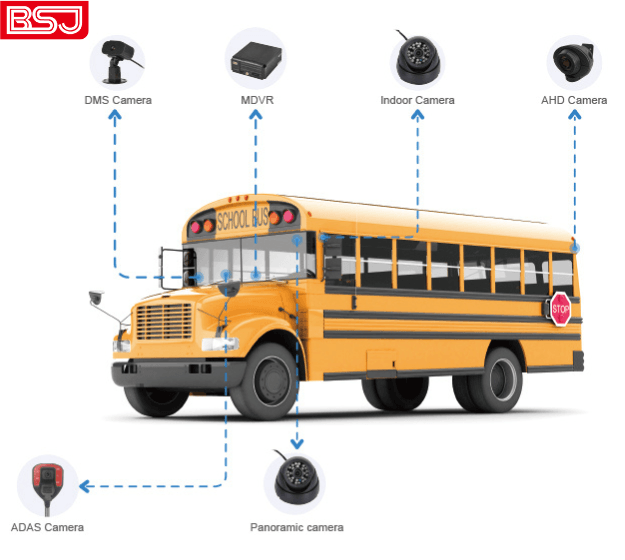
User-centred opening: what you need to decide first
Fleet managers juggling safety, claims, and driver retention ask one clear question: will an AI-enabled MDVR pay for itself? Start by matching expected outcomes to day-to-day needs rather than vendor promises. Combine camera-derived insights with vehicle location data early on — for example, integrate GPS fleet trackers to correlate incidents with route, speed and dwell time. Regulators such as the FMCSA already treat GPS-derived telematics as material to safety and compliance programmes, so measure what matters to audits and insurers as well as operations.
Define measurable outcomes — be concrete
Decide three specific, measurable outcomes before you buy. Examples that work well for evaluation:- Reduction in collision frequency (incidents per million miles)- Average claim payout per incident- Percentage change in risky driving events (hard braking, lane departure)- Time saved on investigations (hours per claim)Assign a target and baseline to each outcome. If you can’t quantify it, don’t promise it.
Map costs and realistic benefits
List direct and indirect costs month by month for your planned pilot: hardware, installation per vehicle, subscription for AI analytics, data overage, and training time. Then estimate benefits conservatively: insurer discounts, fewer investigations, lower litigation risk, and fuel or idle-time improvements driven by behavioural changes. Use a three-year horizon to capture recurring subscription savings or ongoing licence fees.
Pick validation metrics and an appropriate test window
Run a controlled pilot with clear control and test cohorts. Recommended minimums:- Pilot length: 90–180 days for urban fleets; longer if seasonality affects incidents- Fleet size: at least 10–20 vehicles per cohort to see meaningful variance- Key metrics: incidents per mile, time-to-closure on claims, driver coaching hoursCollect both quantitative and qualitative feedback from drivers and dispatch: AI alerts that are accurate but ignored still cost time.
Common pitfalls and how to avoid them
Avoid these mistakes:- Trusting vendor headline accuracy without independent spot-checks.- Ignoring human factors: poor camera placement or uninterpretable alerts reduce adoption.- Overlooking data costs: video uplink and storage can double expected monthly bills.- Skipping integration tests with your TMS and payroll systems.Mitigations: insist on a staged rollout, sample raw video for manual verification, and include drivers in acceptance criteria.
Vendor-selection checklist focused on your operations
Evaluate vendors against practical criteria:- Accuracy evidence: request anonymised event samples and false-positive rates.- Integration: can the MDVR feed events to your dispatch and maintenance systems?- Data controls: who owns the video and how long is it retained?- Support: local support hours and replacement hardware SLA.Confirm compatibility with your existing telematics — ask specifically whether their platform pairs with your current gps trackers for fleet vehicles so location and video tie together without complex middleware.
How to translate pilot results into a decision
Compare realised benefits to the pilot’s total cost of ownership. Use scenario analysis: best case (full insurer credit and driver buy-in), base case (measurable safety gains but moderate adoption), and conservative case (technical or cultural hurdles reduce impact). Require vendors to agree on success criteria before pilot kickoff and to commit to remediation steps if accuracy targets aren’t met.
Final synthesis
A user-centred evaluation keeps decisions grounded in measurable outcomes, manageable pilots, and practical integration with existing telematics. When the pilot shows consistent reductions in incidents or investigation time and pairs reliably with your location systems, the operational value is clear — and choosing a supplier that understands fleet realities makes the difference, as demonstrated by teams that combine reliable video with proven telematics from partners such as BSJ.