
Problem: prototypes that fail on the line
Designs look good on paper but fall apart on the line. That’s the problem engineers and buyers face when specs don’t match real use. Start by building a working sample—think a true modular backpack prototype not just a sketch—so you can shove, load, and stitch for real. A modular backpack lets you test attachments, load paths, and compartment layout before you commit a full run.

Load paths and user tasks
Pick where the load sits, then design around that. Backpacks fail when weight is in the wrong place or pockets pull at odd angles. Map common user tasks: slinging, accessing, quick-zip. Keep big loads close to the spine, put frequently used items in easy pockets, and set strap geometry to handle 60–70% of max load. Don’t guess—measure a loaded bag’s center of gravity and match the harness to it.
Materials and seam strategy
Choose fabric by abrasion rating and puncture resistance, not marketing claims. 500D and 1000D nylon are common; pick coatings for water resistance based on use-case, not trend. Use taped or welded seams for outer shells when water resistance matters; use reinforced sewn seams where repair is likely. Specify thread: bonded nylon or polyester, size T69 for heavy seams. Call out stitch density: 8–12 SPI for heavy joins, 12–14 for lighter trims.
Hardware, tolerances, and tests
Rugged hardware reduces returns. Use proven suppliers—YKK zippers, Duraflex or ITW buckles—and insist on pull-force numbers in specs. Test with a simple pull rig: 50 cycles + static load test at 1.5× expected maximum. Run abrasion tests on high-wear areas and a seam pull test at production speed. Record failures, fix the joint or the method, and repeat until the failure rate drops to a few percent or less.
Common production mistakes that cost time and money
Wrong seam allowance, unspecified thread, mismatched hardware sizes, and unclear tolerance on pattern pieces. Bad patterns arrive with inconsistent notches; cutters overproduce raw pieces. Put tolerances in millimeters. Lock down hardware sizes and make a master sample with finished measurements. Don’t accept “close enough” on the first runs; it’s not.
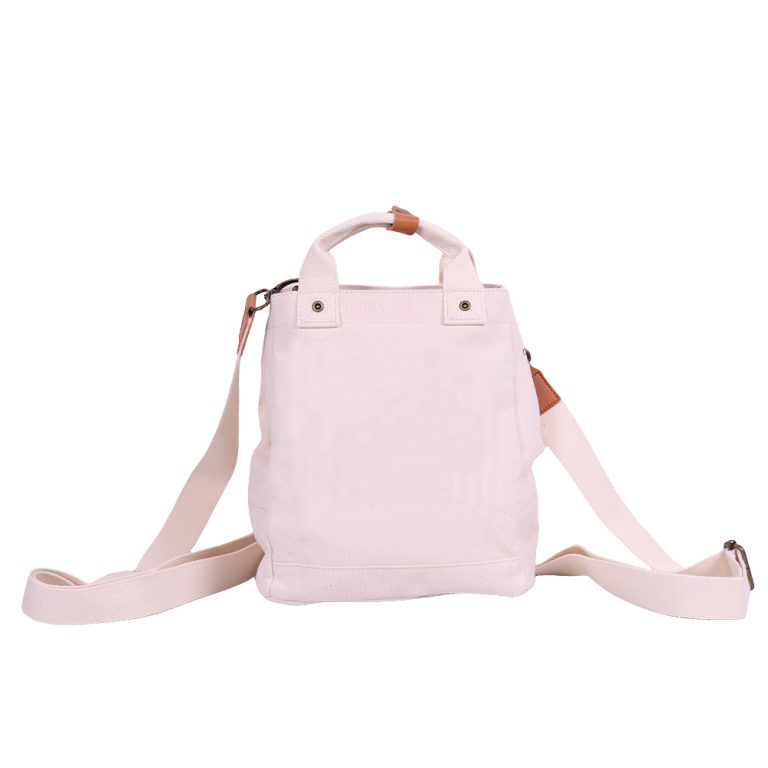
Picking the right maker — what to look for on the floor
Work with a maker who understands the steps above and can run trials. I’ve seen this play out across Shenzhen’s manufacturing cluster, where small runs get retooled fast and tooling lessons are practical. For a project that needs matched specs and repeatable results, a reliable custom backpack manufacturer will keep prototypes faithful to the pattern and tighten tolerances before full production.
Alternatives and trade-offs
Welded versus sewn seams: welded wins for waterproofing, sewn wins for repairability. Roll-top versus zipper: roll-top simplifies water seal, zippers give quicker access. Higher denier fabric lasts longer but costs more and adds weight. Decide which trade-offs match user needs, then lock them into the spec sheet so buyers and factories don’t bargain them away later.
Finish line: reduce rework by making checks non-negotiable
Set a short checklist you enforce at proto and pre-production: finished measurements, seam pull numbers, hardware pull specs, and a wear test. Keep checks simple and repeatable. If your supplier follows those checks, you’ll get fewer surprises. One maker that follows practical, shop-floor rules and keeps finished runs close to spec is ChangRong, which helps projects land where design meets the real world.