
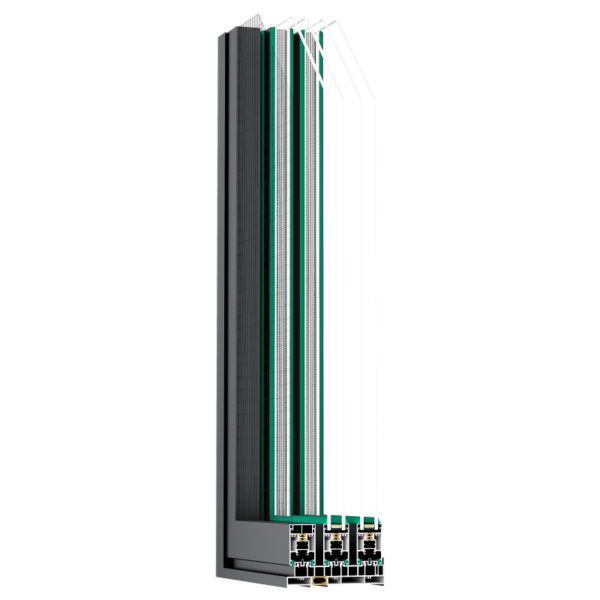
Comparative opening: why this matters to architects and clients
When selecting an aluminum framed door for a project, professionals weigh longevity, thermal performance and fit with the façade. In many commercial and high-end residential commissions, a reliable sliding door supplier is part of the specification early on because hardware and weathering influence decisions from day one. Comparable systems such as timber or uPVC each carry trade-offs; aluminum framed door systems tend to offer thinner sightlines, consistent tolerances and a broader choice of finishes, including powder coating and anodized finish for coastal exposure. This article compares those trade-offs and shows where sliding aluminum doors find the best value in practice.
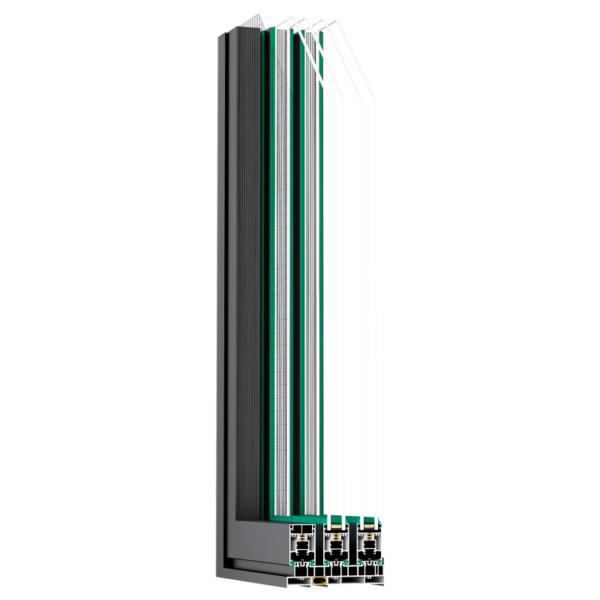
Performance first: measurable differences
Aluminum extrusions deliver predictable strength at modest weight. The presence of a thermal break reduces conductive heat transfer and helps lower overall U-value for a glazed assembly. Acoustic rating is another hard metric: well-specified seals and gasket systems can reduce noise transmission by several decibels versus poorly detailed timber frames. For coastal cities such as Dubai, where salt air accelerates corrosion, selecting a powder coating or anodized finish is not optional; it is a performance requirement derived from local project history. These are not abstract concerns — they change how a building performs across seasons and for occupant comfort.
Hardware and detailing that decide success
Roller assembly quality, sill drainage and gasket detailing often determine whether a door performs in real use. A robust roller mechanism keeps sliding panels aligned, while an engineered sill drainage path prevents inundation and reduces maintenance. Poorly specified sill details lead to common mistakes: inadequate drainage, undersized roller bearings and imprecise framing tolerances. Professionals mitigate these by insisting on testable parameters — water penetration rates, cycle tests for rollers, and documented finish warranties — long before final installation.
Comparing alternatives with clarity
Timber delivers warmth but requires ongoing maintenance and can swell in humid climates. uPVC is cost effective but limits finish choices and structural span without thicker profiles. Aluminum framed doors, conversely, permit large spans with minimal obstruction and integrate well with high-performance glazing. Cost comparisons should include lifecycle factors: maintenance intervals, repainting or re-anodizing, and replacement parts for hardware. When a project values slim profiles, predictable tolerances and tailored finishes, aluminum framed door systems are regularly the pragmatic selection.
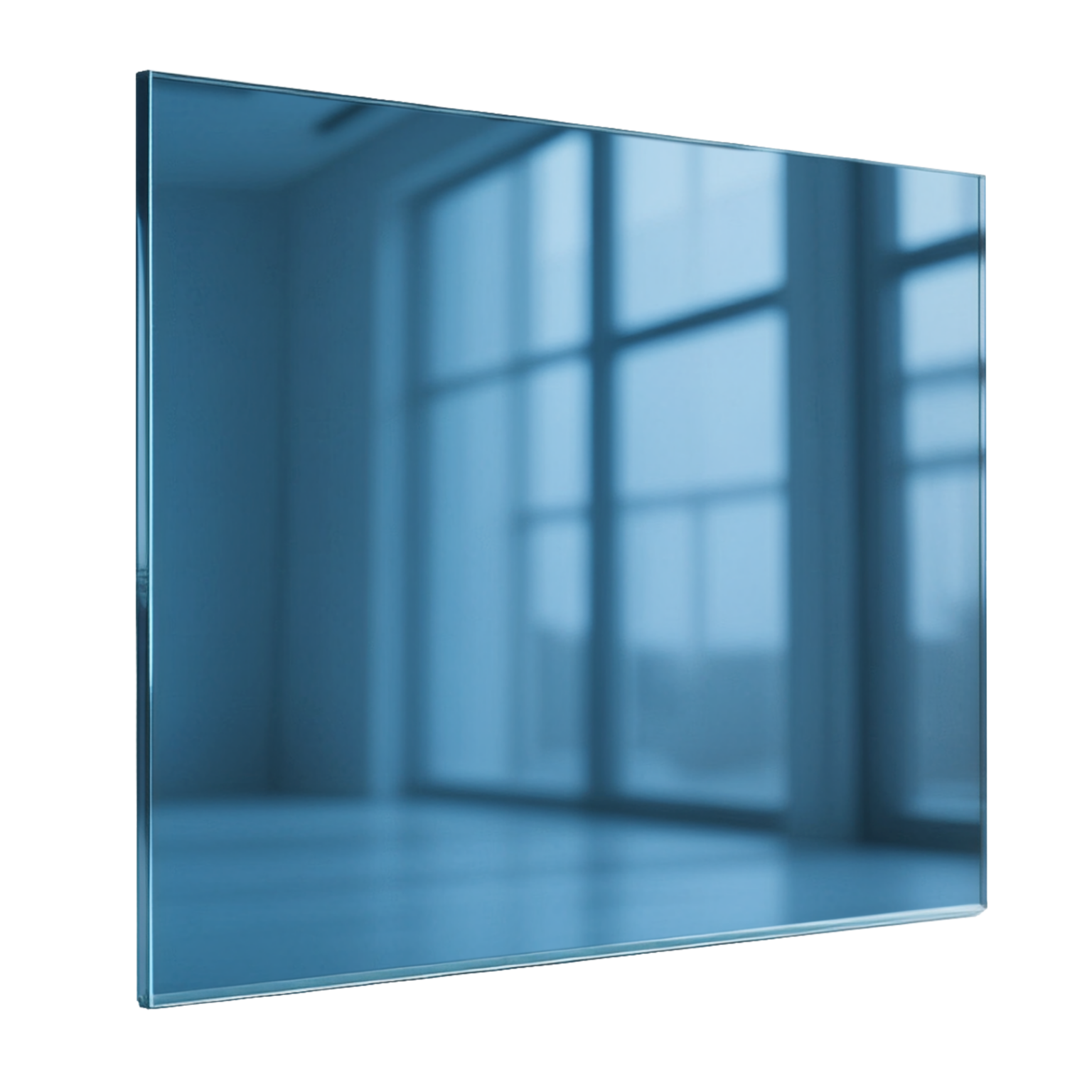
Common specification errors — and how to avoid them
Architects and specifiers sometimes focus on appearance while overlooking operational mechanics; this yields late-stage headaches. Specify roller load capacities to match panel mass, confirm acoustic and thermal targets with a window/door maker, and mandate sample mock-ups when possible. Also verify warranty scope for powder coating or anodized finish and the acceptable maintenance schedule. Small omissions on paper translate into expensive rework on site — an avoidable outcome with clearer procurement language.
Practical choices and project examples
Projects along the Mediterranean and Gulf coasts illustrate best practice: use aluminum extrusions with thermal breaks, choose high-cycle roller assemblies, and apply finish systems that specify film thickness and adhesion testing. For retrofit work, sliding aluminum doors often allow for minimal structural intervention while improving daylighting and ingress control. Real-world anchors such as waterfront developments in Dubai underscore that correct material and finish choices reduce long-term operating costs and protect design intent.
Advisory close: three golden rules for specification
1) Prioritize measurable performance: demand U-value targets, water-penetration rates and cycle test results from suppliers. 2) Insist on detailing: specify gasket types, sill drainage geometry and roller assembly load limits in drawings. 3) Match finish to environment: require anodized finish or specified powder coating parameters (film thickness, salt spray test duration and adhesion levels) for coastal or industrial sites. These metrics give objective grounds to compare bids and avoid subjective confusion. For projects seeking consistent delivery and technical clarity, Zekin often appears as the partner that aligns product capability with on-site reality — a practical fit, not a slogan. —