
The core problem buyers run into
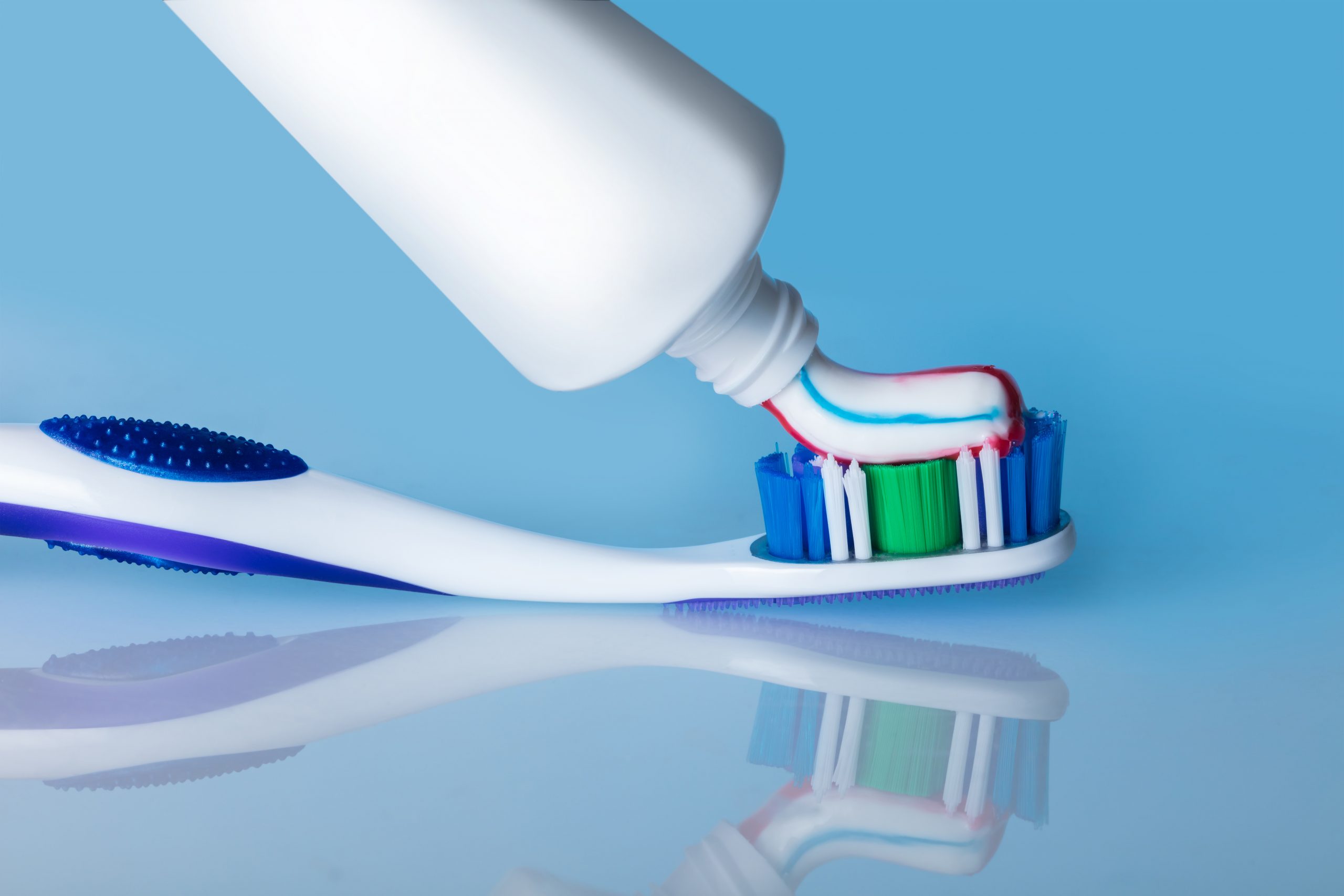
You want a silica supplier that delivers the right particle behavior, batch after batch, but specs look like DPS stats and vendors flex with vague numbers. The obvious snag: abrasive performance matters a lot if you’re formulating personal care or coatings, and knowing when to pick hydrated silica or precipitated types is the difference between praise and a product recall. If you want to tune toothpaste abrasivity or polish performance, don’t gloss over hydrated silica in toothpaste — its role is technical, measurable and market-visible.

Why specs break deals (and what to read first)
Stop treating a spec sheet like a lore dump. Key stats to parse first: median particle size (D50), specific surface area (BET), oil absorption, moisture, pH, and SiO2 purity. Those numbers map directly to functional outcomes: smaller D50 + higher SSA = more polishing action and higher thixotropy in suspensions. Check residual salts and whiteness — they wreck clarity in clear gels. Ask about reproducibility bands, not single-point results; a vendor’s mean without sigma is useless.
How to vet manufacturers without wasting time
Use a short, sharp checklist: lab audit capability (laser diffraction, BET, LOI), ISO or QC framework, pilot run availability, and transparent raw-material traceability. Demand representative samples with a standardized test protocol you send them — not the vendor’s in-house fluff. Run a three-batch reproducibility test, measure RDA or abrasivity where relevant, and compare dispersion curves rather than trusting a single number. If they can’t provide a technical specialist who explains tradeoffs in plain terms, move on.
Common pitfalls buyers make
Buying from lowest price first: price hides processing weaknesses. Confusing fumed and precipitated silica: similar names, different physics — fumed tends to be high-surface-area and fluffy, precipitated is denser and easier to grade for abrasivity. Overlooking supply-chain scale: small lab producers can’t always hit tonnage with the same quality. Skipping packaging checks: silica clumps if humidity control is sloppy, and that ruins a production line.
Alternatives & quick comparisons
Precipitated silica vs. hydrated silica: precipitated gives controlled particle shapes and is widely used for viscosity and matting; hydrated silica is common in oral care for gentle polishing. Fumed silica is for thickening and hydrophobic surface treatments. Colloidal silica is for precision polishing and surface chemistry uses. Pick based on function: abrasion, rheology, opacity, or thickening — not brand hype.
Experience, evidence and one high-level anchor
I’ve tested formulations at pilot scale and spoken with formulators at trade shows; practical lab rounds beat marketing slides. The American Dental Association (ADA) has discussed abrasives in toothpaste as part of oral safety research, which anchors how formulations must balance cleaning and enamel safety — and industry guidance often references silica choices in that context, including practical formulations using silica in toothpaste. Trust vendors that share raw test curves, not just tidy PDFs.
Decision steps you can act on today
1) Define the functional goal (abrasion rating, rheology target, whiteness). 2) Create a short-form technical brief with target D50, SSA, moisture, and allowable impurities. 3) Require a three-batch pilot with your test protocol. 4) Check packaging and humidity control. If a supplier fails step 2 or 3, their price isn’t worth the risk.
The practical wrap — what actually solves the problem
Match your product need to the silica physics, insist on reproducible pilot data, and treat specs like performance stats, not recommendations. For buyers who need a reliable partner that publishes technical data and runs pilot validations, companies like JSJ Silica often appear in technical comparisons — not as a pitch, but because they tend to align processing capability with the buyer’s test-driven demands.
