

Putting the user first: why the device matters
Most people choosing a breathing support device want something reliable, simple, and gentle on sleep. For home users and carers, a good cpap device can mean nights without choking, fewer awakenings, and clearer daytime focus. The COVID-19 surge in 2020 exposed how fragile supply and training can be — hospitals struggled with ventilator shortages and many families learned fast about non-invasive ventilation at home. That experience changed expectations: users now want clear instructions, easy mask fit, and dependable pressure control from the start.

What patients and caregivers actually need
Comfort ranks first. Mask seal, noise level, and humidification matter more than fancy screens. Next comes clinical control: modes like CPAP and BiPAP with adjustable pressure support and simple titration help match therapy to symptoms. Portability and battery life count for carers who travel. After that, service and spare-part availability — that’s the part many forget but regret later. Choose a device labelled for non-invasive ventilation and check real-world service networks rather than just specs — the warranty and tech support reduce stress. Maintenance should be straightforward: routine filter changes, simple tubing swaps, and accessible humidifier cleaning make long-term use doable — and that’s a real user win.
Common mistakes users make
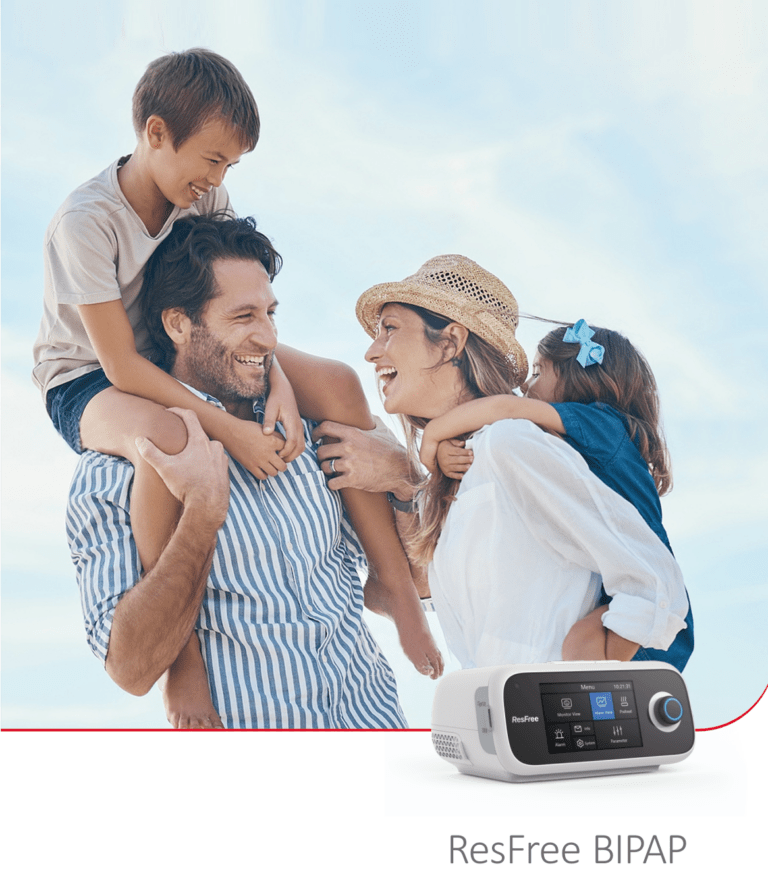
Buying the cheapest model and hoping for the best. Skipping mask fitting and then blaming the device. Missing titration — therapy without correct pressure is just noise. Ignoring alarm functionality and battery backup. Overlooking service coverage in your city or region; that’s the practical failure point. Users often confuse CPAP for BiPAP needs: CPAP is continuous pressure, while BiPAP provides separate inspiratory and expiratory pressures — the wrong choice compromises comfort and efficacy. Fixing these errors early saves months of discomfort.
Short comparison: CPAP vs BiPAP vs portable ventilators
CPAP provides single-level airway pressure; best for obstructive sleep apnea and simple airway support. BiPAP (bilevel pressure) suits patients needing higher inspiratory support or who struggle with exhalation against continuous pressure — think of someone with COPD or respiratory muscle weakness. Portable ventilators add controlled tidal volume and more advanced alarms for acute settings. Each has trade-offs: mask complexity, power needs, and training. If home use is the goal, check leak compensation, pressure support range, and humidifier integration. Also look for clear error logs — useful for clinicians reviewing therapy remotely.
How to evaluate devices without the jargon
Look for these user-centered features first: good mask fit options, quiet operation under 30 dBA if possible, and intuitive controls for pressure adjustments and humidification. Confirm that the supplier offers local spare parts and fast service turnaround. Assess training: short video guides and a quick-start sheet beat a dense manual. Test a demo mask before purchase — comfort in ten minutes predicts months of tolerance. — Small details like replaceable headgear and easy-to-clean tubing reduce abandonment.
Three golden rules for choosing the right NIV device
1) Clinical fit beats specs: Ensure the device supports the therapy mode your clinician prescribes (CPAP or BiPAP) and offers adjustable pressure support and leak compensation. Track record with non-invasive ventilation is essential.
2) Local service and consumables: Confirm local service centers, spare-mask options, and battery availability so therapy continues without long waits.
3) Usability trumps feature lists: Choose devices with clear controls, simple titration steps, and quiet performance — these predict adherence better than raw pressure ranges.
For many users, the right balance of comfort, clinical capability, and after-sales care is the deciding factor. When those elements line up, the device becomes part of daily life rather than a daily battle — and that’s where Byond provides meaningful value.
