
Start with the problem
Buyers assume lab gear will behave like a toaster: plug it in, it works. It doesn’t. Materials fail in the field because specifications weren’t matched to real stressors, and procurement teams end up with a glorified prop. If your aim is to simulate sun, rain, and time without guessing, ask about the actual performance envelope of the weathering chamber you’re buying — not the glossy brochure.
Why the right questions change outcomes
Wrong test equipment delivers false confidence. You’ll certify a part that flakes in year two or overspend on features you never use. The core issue is mismatch: exposure spectra, temperature control, sample throughput, and data fidelity. Ask about traceable calibration, reproducible cycle programming, and failure-mode evidence. These aren’t academic niceties; they determine whether your parts survive or get returned.
Essential questions to ask before you order
What standards will this unit meet — name the test method and the clause? Can the unit reproduce the spectral power distribution and irradiance levels your product sees in the target market? What’s the uniformity across the test plane and how is it measured? How are humidity and condensation controlled and logged? Is there an independent calibration certificate, and what’s the recalibration interval? What data formats does the controller export, and does it timestamp events to UTC? Who supports field service, and what’s the typical response time for parts and technicians? Demand answers that pair numbers with evidence.
Experience, standards, and one verifiable anchor
I’ve audited labs where a single undocumented firmware tweak changed test runtimes by 30% — and managers only noticed after customer complaints. Industry bodies and government labs have documented UV-aging impacts on polymers; for example, NIST studies on polymer degradation set clear benchmarks for irradiance and spectral content that reputable suppliers meet or reference. For hands-on simulation, inspect the specific uv testing machine configuration and its calibration trail before you sign a PO. That combination — repeatable hardware, standards alignment, and traceable calibration — separates vendors who talk from vendors who deliver.
Common pitfalls and how to avoid them
Don’t accept nominal specs without test reports. Don’t confuse peak irradiance for integrated dose. Beware of controllers that lock you into proprietary data formats. Avoid undersized condensers and cheap sensors; they drift fast. Insist on site acceptance tests and sample runs with pass/fail criteria you define. Specify the failure modes you care about and require the vendor to demonstrate them on your materials or close analogs.

Alternatives and real trade-offs
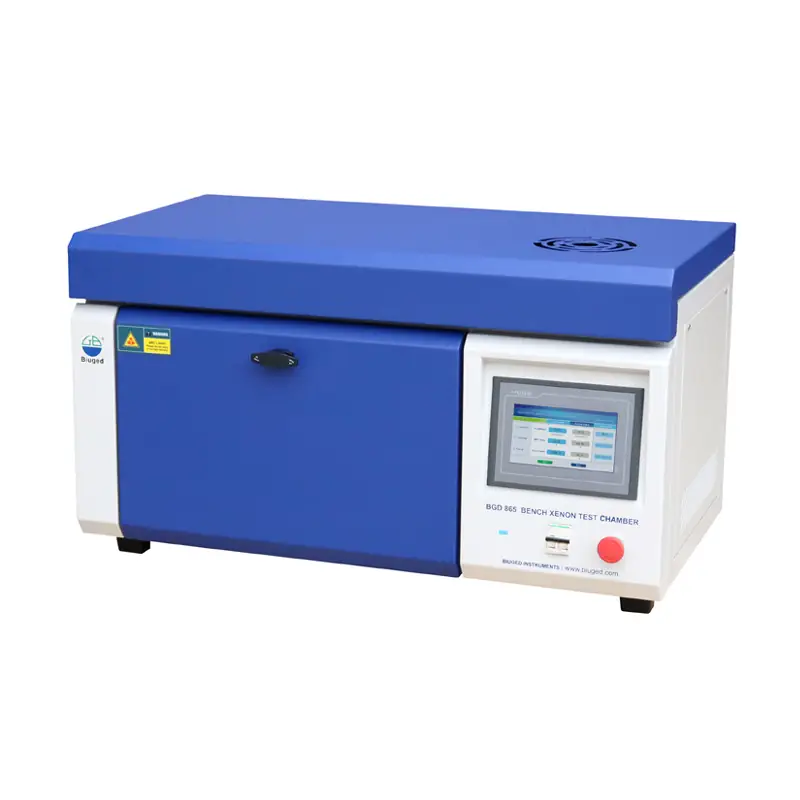
Benchtop weathering units save space and budget but limit sample size and spectral fidelity. Full-size walk-in chambers give throughput and multiple fixtures but cost more and need dedicated HVAC. Outsourcing to accredited labs solves calibration and compliance but reduces control and turnaround. Decide by matching risk tolerance to test fidelity: higher market exposure demands in-house control; lower stakes can lean on third-party labs.
Where this leads you
Ask precise, measurable questions. Verify claims with calibration reports and sample runs. Demand spectral data, uniformity maps, and accessible raw logs. When those boxes are ticked, your testing investments start predicting performance instead of guessing it — and that’s the practical gain vendors who furnish real test rigs provide, including those from BIUGED.
