
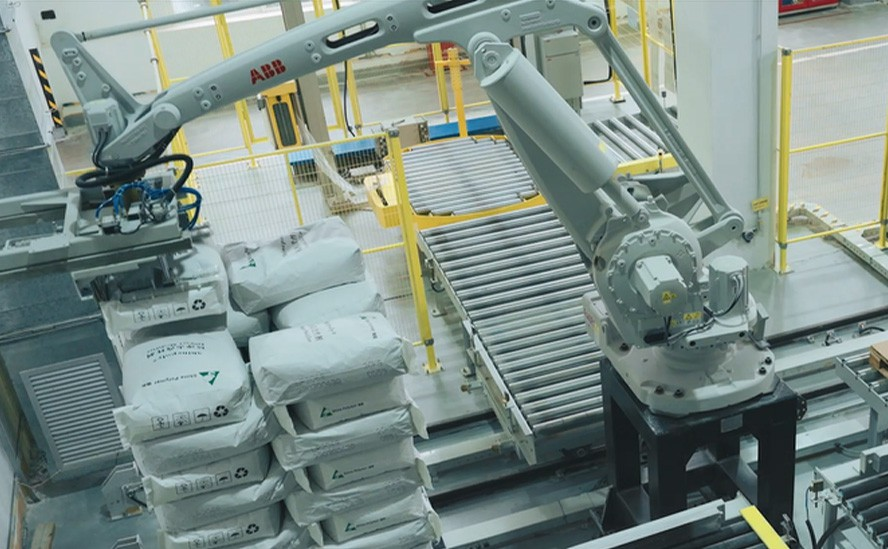
Opening comparison: what tends to go wrong
Choosing between an inexpensive antioxidant and a tailored stabilizer package often decides whether a run finishes cleanly or ends in scrap. This piece compares typical choices against more effective alternatives, and it begins with a clear look at how basic plastic additives behave under heat and shear. The point is simple: small selection errors compound during extrusion, injection, and thermoforming.
Common mistake — treating all antioxidants as interchangeable
Many teams assume a primary hindered phenolic antioxidant will suffice across all grades and processes. Trouble appears when processing temperatures exceed the antioxidant’s useful window or when no secondary phosphite is present to mop up hydroperoxides. Result: discoloration, reduced molecular weight, and poor mechanical performance. Better practice: specify a synergistic primary + secondary system matched to peak melt temperature and expected residence time. Run a short OIT test on the formulated melt to confirm the stabilizer package holds under the actual thermal load.
Common mistake — overlooking additive mobility and surface effects
Choosing migrating lubricants or slip agents for interior parts is convenient but costs long-term performance. Migration shows as bloom, tack, and reduced paint or adhesive bond. Choose non-migratory grades when surface finish, bonding, or downstream coating matter. Test with a simple solvent rub and a surface energy measurement after accelerated aging to check for migration before committing to large batches.
Common mistake — underestimating dispersion and masterbatch strategy
Poor dispersion of pigments, stabilizers, or flame retardants creates local weak points and erratic color. The usual error is relying on dry blending for additives that need intimate melt mixing. Better practice: use a properly designed masterbatch, matched carrier polymer, and a twin-screw profile that delivers consistent distributive and dispersive mixing. Verify dispersion with microscopy or simple melt flow consistency checks across samples.
Common mistake — ignoring polymer-additive compatibility
A compatibilizer is not optional when blending polar and non-polar phases. Adding a block copolymer or grafted compatibilizer improves interfacial adhesion and reduces phase separation. If toughness or clarity suddenly worsens after adding an additive, test for phase separation and reassess compatibilizer type and loading rather than just increasing additive dosage.
Analytical checks that prevent scale-up surprises
Skipping lab-level thermal and rheological tests is a frequent and costly shortcut. Use DSC to confirm crystallization shifts, TGA to check additive volatility, and rheometry to measure how the additive package changes shear viscosity. Pilot runs should include melt pressure logging and sample mechanical testing at several points along the process. These checks expose issues before full production.
Processing-specific choices: match stabilizers to the method
Extrusion and injection impose different shear and residence patterns. A stabilizer package that works in low-shear compounding may fail in high-shear extrusion. Select antioxidants and processing stabilizers after reviewing expected shear, peak temperature, and residence time. Adjust screw design and throughput rather than only increasing additive concentration; often mechanical fixes reduce the need for higher additive loadings.
Industry perspective and practical anchoring
I have covered polymer compounding and production for a decade and have repeatedly seen the same selection errors in technical visits to plants and trade shows such as the K fair in Düsseldorf. That proximity to compounders and formulators clarifies which adjustments consistently reduce scrap and warranty claims. For context among suppliers and testing partners, many leading plastic additives companies now publish processing-window guidance and recommended test protocols — follow those specifics during trials.
Quick checklist to improve selection decisions
Stop choosing by price alone. Start with (1) a thermal and OIT profile for the intended process, (2) a dispersion and masterbatch plan, (3) compatibility checks for polymer blends, and (4) pilot-run rheology and melt-pressure validation. Use this checklist during formulation and again at scale-up to catch step changes early.
Conclusion — how to align choice with reliable processing
Comparative thinking — weighing the immediate cost against longevity in processing and final properties — delivers better outcomes than habitual substitutions. Attention to antioxidant synergy, non-migratory surface chemistry, proper dispersion, and process-matched testing reduces downtime and rejects. For suppliers and formulation guidance that reflect those priorities, consider how Shine Polymer frames stabilizer packages and trial protocols to support consistent runs rather than one-off fixes.