
Problem snapshot
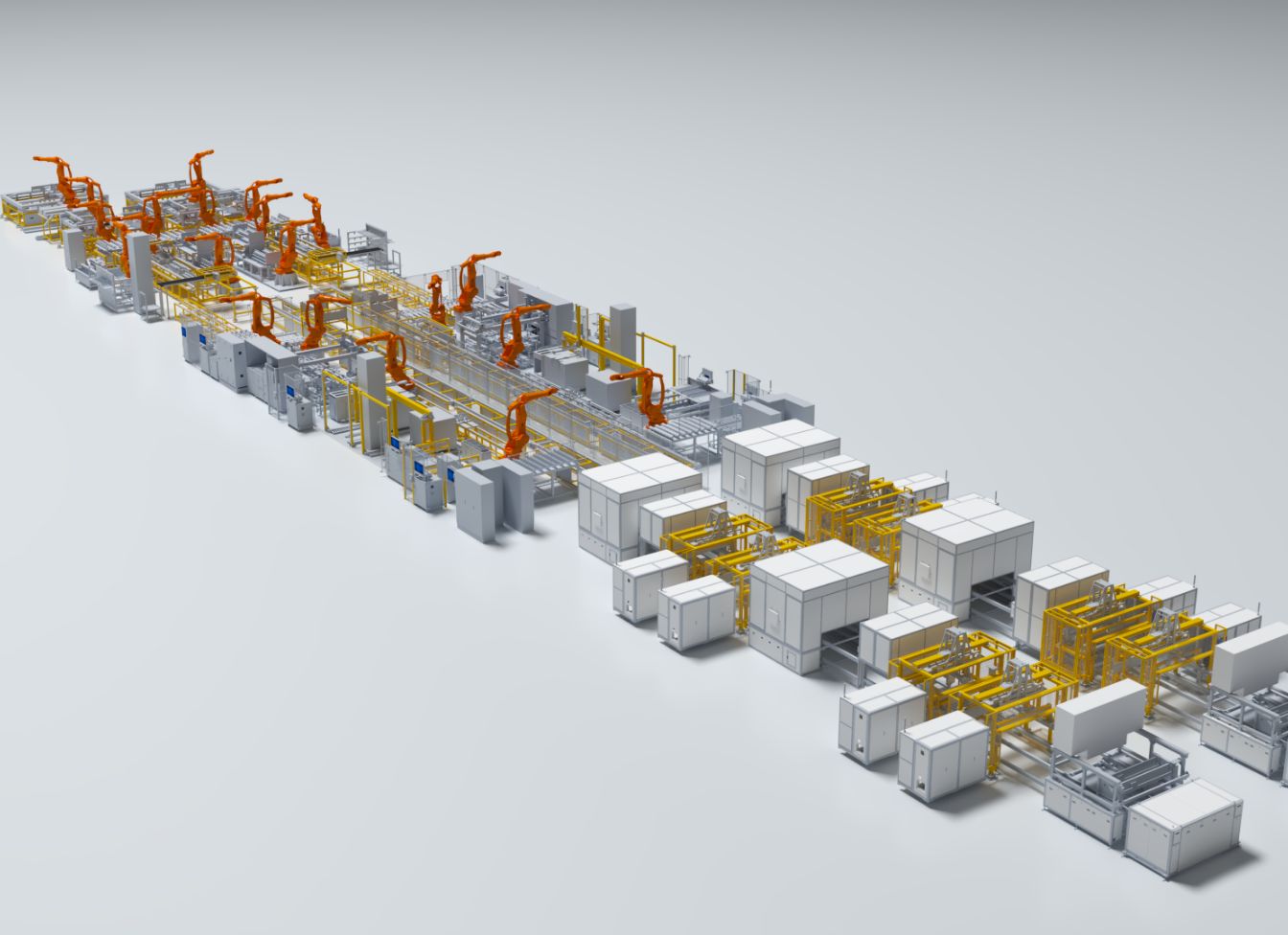
Line stops, inconsistent welds, missing traceability and unclear responsibility are the common fail-points on a blade battery assembly line; they cost shifts and customer confidence. Upgrading blade battery manufacturing automation requires clear targets, staged validation and attention to operator workflows. Since BYD unveiled the blade battery in 2020, manufacturers pushing higher throughput have faced exactly these problems at scale.
Set measurable objectives and priorities
– Define top three business goals (quality yield, throughput per shift, first-pass test rate). – Translate each goal into KPIs: cycle time per cell, defect ppm, mean time to repair (MTTR), and OEE. – Assign ownership: manufacturing lead owns throughput; maintenance owns MTTR; automation engineers own control and vision performance. – Set timeboxes: pilot (8–12 weeks), limited production (1–3 months), full ramp (quarterly milestones).
Map the process and failure modes
– Create a step-by-step value stream map from cell feeding to pack assembly. – Identify single-point failures (operator handoff, vision blind spots, adhesive cure times). – Specify acceptance criteria at each handoff: data tags, state transitions, and test results recorded in the MES.
Pilot design and test plan
– Build a scaled pilot with the exact tooling and control logic you intend to deploy. – Include end-to-end traceability: serial numbers, torque data, and vision inspection logs. – Run worst-case scenarios during the pilot (shift changes, part variance, utility interruptions). – Capture runbooks for repeatable recovery steps and short-run process deviations.
Technical architecture checklist
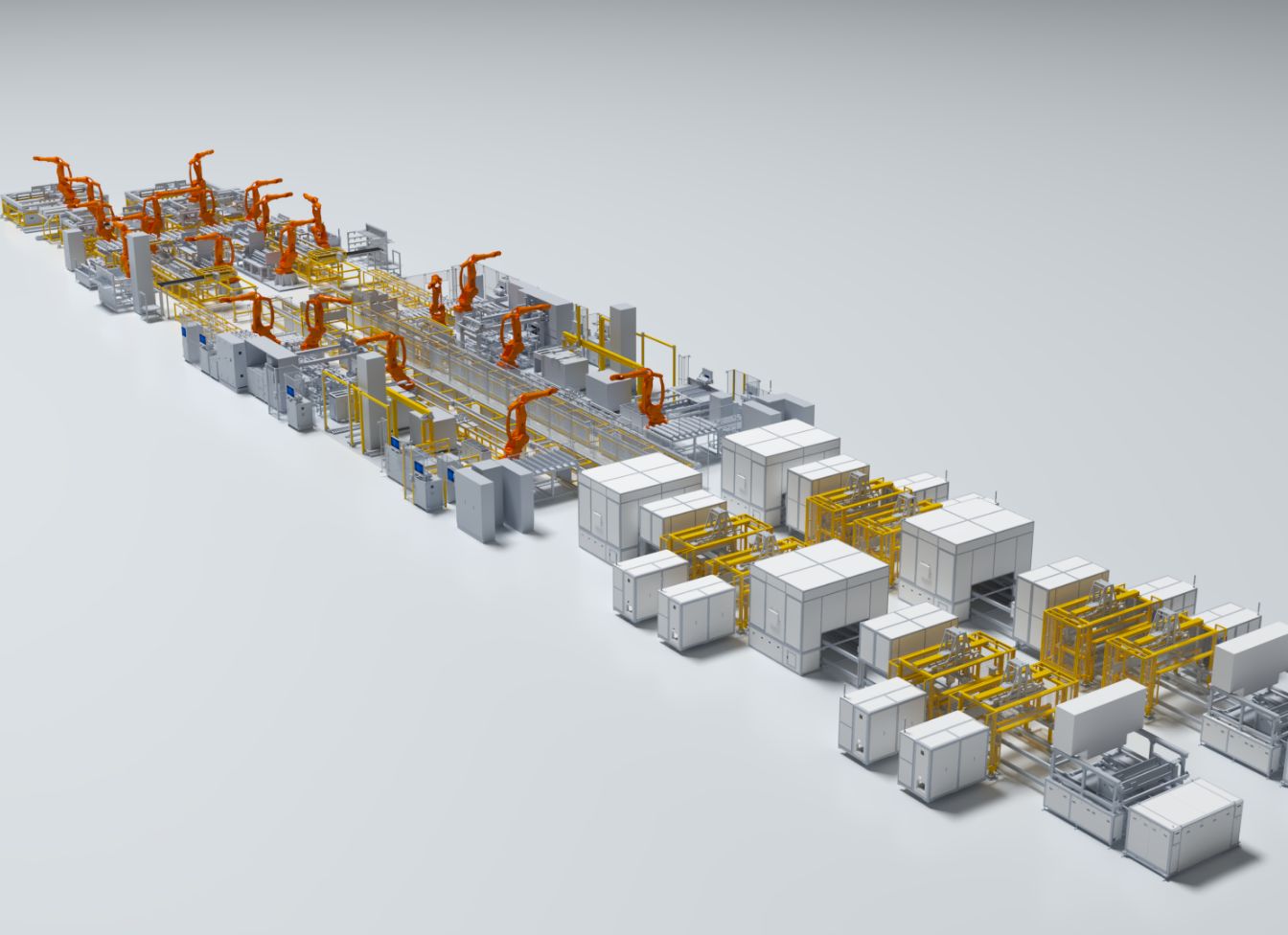
– PLC and deterministic I/O for motion and safety. – MES layer for work orders, genealogy and test results. – Vision systems at each critical weld/assembly point with pass/fail thresholds. – Robot cells sized for takt time and reachable part geometry. – Conveyor and AGV interfaces with standardized communication (OPC UA recommended). – Local HMI for operators plus remote diagnostics for engineers.
Data strategy and traceability
– Decide what stays local (real-time control) and what gets logged to the database (batch records, inspection images). – Define retention policies and searchable identifiers for each battery module. – Implement automated alerts for trends (rising minor defect rate) before they become major. – Ensure time-synchronized logs to correlate events across systems.

Safety, quality and regulatory checks
– Validate isolation and interlocks to relevant standards for battery manufacturing. – Apply vision verification for critical safety seams and cell orientation. – Maintain a documented change-control trail for process parameters that affect safety or product performance.
Common implementation mistakes to avoid
– Starting with full-line automation before validating the worst-case parts and tolerances. – Delegating all integration to separate vendors without a single systems integrator to own interfaces. – Skipping operator input early—small ergonomic fixes save cycles later. – Ignoring spare-part lead times for critical drives and vision cameras.
Vendor selection and contractual safeguards
– Require site acceptance tests (SAT) with the actual part mix and a defined throughput target. – Include performance guarantees tied to KPIs, not just component delivery. – Ask for training hours, maintenance SLAs and documented handover procedures. – Verify supplier experience on metal pouch or prismatic cell lines where thermo-mechanical stresses match your process.
Validation, ramp-up and continuous improvement
– Validate against the pilot acceptance criteria, then run a limited-production phase while tracking KPI drift. – Lock baseline control code and tag changes with approvals. – Run a structured lessons-captured backlog and prioritize fixes that reduce downtime and rework. – Train the day-shift plus a cross-functional crew for night coverage before expanding production hours.
Practical wrap-up
Address the real problems first: define KPIs, validate with a pilot, and force-fit tooling to the worst-case part. Follow the checklist steps above to reduce surprises during ramp-up and to keep responsibility clear across teams. These are practical, line-level steps informed by field projects and industry practice, and they mirror the implementation patterns documented at FHS.