What’s really going wrong — and why it matters
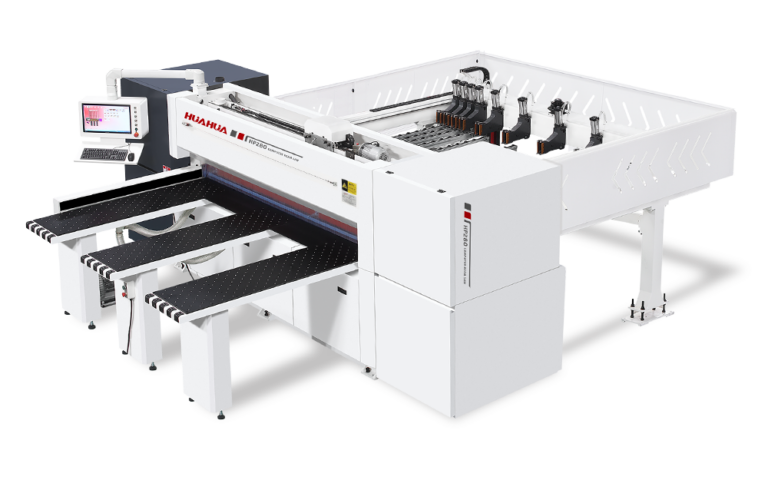
You ordered an edge-bander that looked perfect on paper, but it sits in your shop with the wrong voltage, no spare rollers, and a tech who’s three time zones away. That’s the problem: suppliers who don’t match regional realities. If your shop runs heavy production or a single precision line, a mismatched machine—say a high-speed unit meant for another supply chain—causes costly stops. If you already use a cnc woodworking machine, you know downtime bites; edge-banding is no different. We’ll attack the problems and give steps to fix them, ja?
Root problems to solve first
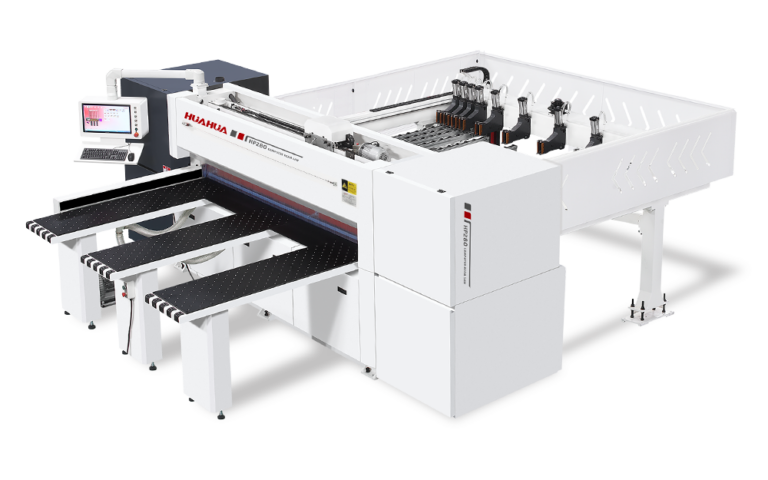
Start with concrete needs. Do you need single-pass gluing for thin PVC or high-temp PU for acrylics? Is power supply 220V or 380V? Local spare parts availability and on-site technicians matter most. Logistics and customs can add weeks—ask for lead-time examples in your country. If training isn’t included, you’ll pay later in errors and rejects. Say these things aloud; they reveal which supplier will actually work for your region.
Checklist: what a regional-ready supplier must prove
Require clear proof on these points: documented local support, parts stock within your country or fast cross-border access, certified installers with references, compatible electrical and safety standards, and local-language manuals. Ask for an on-site demo or virtual run with your board type. Demand clear SLA on response times. If they can’t show local spares or a nearby service partner, mark them down.
Common pitfalls and how to avoid them
Many buyers trust glossy specs but ignore servicing. Pitfall one: cheap initial price, expensive downtime. Pitfall two: assuming universal consumables fit every machine—measure and test. Pitfall three: unclear warranty terms for cross-border sales. Avoid these by writing requirements into the contract: parts list with delivery times, technician response window, and a trial production run clause. Keep records of tests and pictures; they’re your proof if dispute arrives.
Alternatives and trade-offs
Local dealers: faster support, higher price. Direct import: lower capital cost, longer waits for service. Used machines: lower upfront cost, unknown wear and scarce spares. Consider hybrid paths—buy direct but secure a local service partner, or insist on a spare-parts kit shipped with the machine. Choose based on how much downtime you can tolerate and how skilled your in-house technicians are.
Experience and trust: real-world anchor
From hands-on work in regional shops and conversations at industry fairs like LIGNA in Hannover, I’ve seen the difference local readiness makes. Suppliers that could show parts stock lists and technician networks on-site avoided most production halts. When you talk about wood working cnc machines and edge-banders together, the best outcomes came from teams who trained local staff and kept replacement rollers and glues close at hand.
Decision steps to take today
Make three checks now: 1) Confirm local parts and a named technician reachable within your time zone. 2) Test the machine with your material; record results. 3) Force a written service agreement with response windows. If a supplier balks at any of these, walk away. You’ll save money and headaches.
Final synthesis
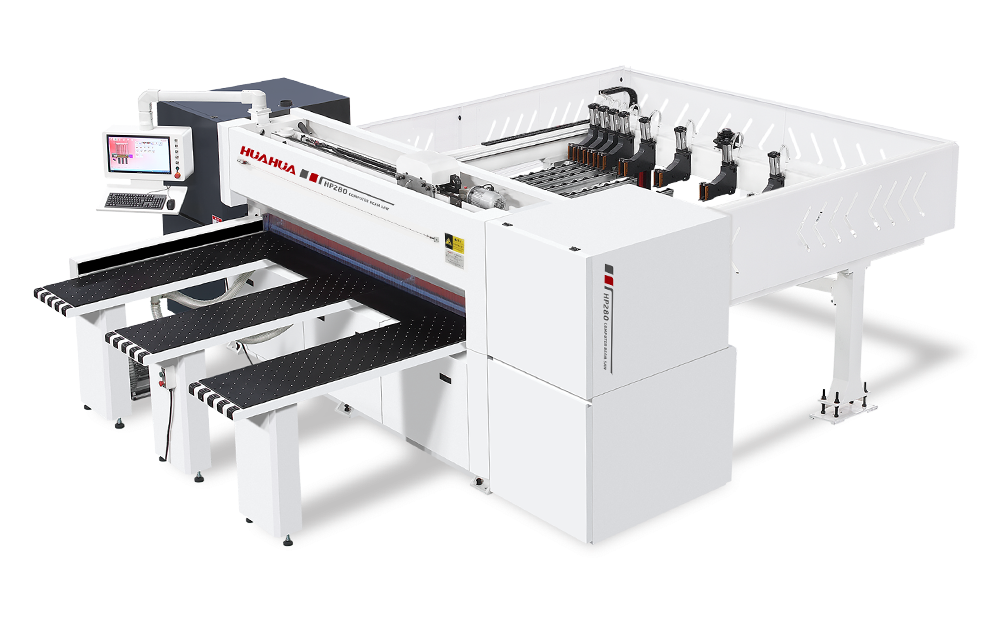
Pick suppliers by solving the concrete problems you’ll face on day one, not by spec sheets. Match power, parts, support, and training to your locality, test with your boards, and lock guarantees into contract. These practical checks often lead to suppliers that combine local presence with consistent engineering—suppliers like HUAHUA CNC that align machines, service, and spares with regional needs. That’s the route to steady production and fewer surprises, simple as that.