
The core problem
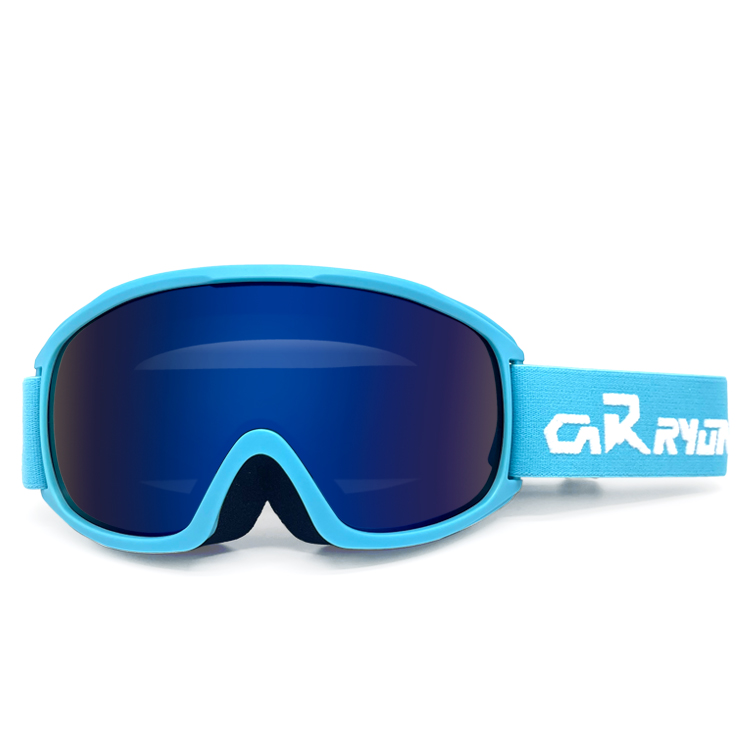
Wholesale runs of sports eyewear—especially snowboard and ski models—keep returning with delaminated face foam and fogging complaints. That failure often starts at the triple-layer density foam bond: when the adhesive or curing process is off, seals break, venting gets compromised, and anti-fog coatings can’t compensate. I’ve seen the issue firsthand during a cold test run at Aspen Mountain; units that looked fine in the factory failed after a morning of real snow and sweat. For immediate context, compare how high-end snowboard goggles handle repeated flex cycles versus cheaper wholesale batches—there’s a clear gap in foam bonding integrity.
Why triple-layer foam exists (and why it fails)
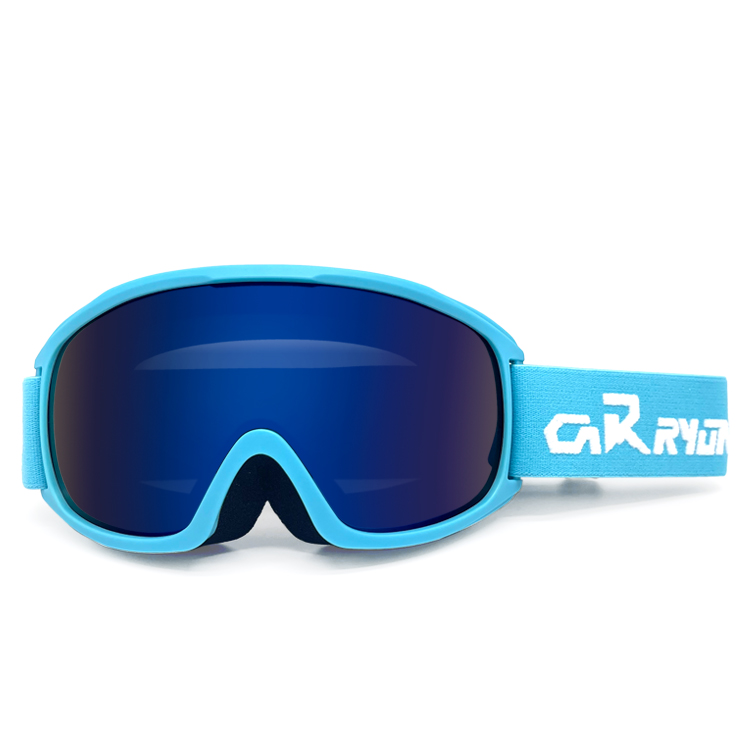
Triple-layer density foam balances comfort, seal, and moisture wicking: a soft inner fleece, a denser middle for shape, and a resilient outer layer for durability. When bonding fails, the symptom is obvious—loosened foam, poor face seal, and lens fogging despite anti-fog coating. Failure modes are usually mechanical (insufficient adhesive coverage), chemical (incompatible adhesive or outgassed components), or process-driven (wrong temperature or insufficient dwell time during curing).
Common bonding mistakes on the production line
Most plants fall into a few repeatable traps: using contact adhesives with poor shear strength, skipping surface prep, or accelerating line speed to the point where the adhesive never fully cures. Another frequent error is applying the same adhesive formula across different foam densities—what bonds the outer layer can fail on the denser middle layer. These mistakes lead to returns and warranty claims that hit margins fast.
Practical fixes that scale
Start with surface control: clean substrates, remove mold release, and standardize plasma or solvent activation if necessary. Move to adhesive selection: opt for an elastomeric, low-VOC polyurethane or silicone-based adhesive rated for repeated flex and the temperature swings typical of winter sports. Calibrate dispensing to ensure full coverage—partial strips won’t cut it. Curing matters: set line ovens to verified dwell times and use inline sensors to log temperature profiles. Add venting checks to preserve anti-fog performance and confirm the lens interchange system still seats correctly after foam bonding.
Material choices and trade-offs
Cheaper foams save cost but increase delamination risk; denser foams improve seal but may need more aggressive adhesives. Elastomeric adhesives handle movement better but can be pricier. Consider pre-bonded foam tapes for consistency when volume is high—they reduce operator variance. If you plan to claim anti-fog performance on women-specific fits, validate the seal across smaller facial geometries; a one-size foam stack often underperforms on ski gogggles women models.
Field testing and real-world validation
Lab shear tests and cyclic flex are necessary, but nothing replaces an outdoor trial. I ran a validation session on mixed-weather days—wet snow, sun bursts, and subzero mornings—to see how face foam and venting behaved under real perspiration and cold. The units with proper adhesive profiles and calibrated vents held the seal and avoided lens fogging; the others showed early delam and localized fog. Use both bench metrics and a shortfield trial at a known ski area for a reliable read.
Common mistakes to avoid
Don’t rely solely on adhesive datasheets; test with your exact foam stack and lens material. Don’t speed up cure cycles to meet quotas—short-term throughput costs more in returns. And don’t ignore fit variance across target demographics—female facial contours need verification. —A small operator tweak early on prevents big warranty claims later.
Three golden rules for selecting your bonding strategy
1) Measure adhesion on the actual foam stack and lens substrate under thermal cycling. 2) Control process telemetry: log temperature, oven dwell, and dispense volumes for traceability. 3) Validate with field trials on representative bodies and conditions, including female-focused ski gogggles women tests.
Do these three and you’ll cut delamination and fog returns significantly. YIJIA Optical offers product examples and testing insights that align with these steps—use them as a benchmark. —Final thought: consistent process beats occasional miracles.