
The problem brands are ignoring — and why it costs more than returns
Too many brands treat custom-printed poly mailers like packaging theater — pretty graphics and a promise of fast shipping — and then watch shipments come back soaked, split, or scuffed. The real issue is mechanical: shear strength limits and weak seal integrity under real-world stress. If you design without testing for tensile or shear loads, your brand risks refunds, chargebacks, and reputation damage. That’s why suppliers matter — start with a vetted poly mailer manufacturer that understands both film behavior and production realities.
How these failures actually happen
Failures fall into two camps: material failure (film tearing or delamination) and seal failure (peel, burst, or catastrophic open seams). Shear strength becomes critical when packages slide in transit or when stacked in vans; repeated lateral forces create stress concentrations at welded or adhesive seams. Weatherproofing fails when the seal zone or film lamination doesn’t resist water ingress during rain or humid transit. In 2020, when e-commerce surged and volumes spiked, carriers handled unprecedented loads — that event exposed many weak mailer specs and forced a reckoning across the industry.
Key tests and metrics that reveal weak points
Don’t guess — measure. Simple in-line and lab tests reveal vulnerabilities: tensile strength, peel test for seal adhesion, burst strength for pressurized impacts, and accelerated water ingress testing. Heat-sealing parameters (temperature, dwell time, and pressure) drastically affect seal integrity; a correct dwell profile can raise peel values substantially. Also check MD/TD tear behavior — machine direction tears differ from transverse failures and tell you how the bag will behave when tumbling in a sorter.
Common specification mistakes brands make
Brands often specify film thickness or grammage alone and assume thicker equals better. That’s a myth — laminate structure and adhesive formulation usually determine performance more than nominal microns. Another frequent error: accepting default seal bar settings from production without a first-article test on your actual fill line. And many marketers forget closure geometry — gusseted or reinforced seams need different weld patterns. These oversights create false security — you’ll only discover the mistake after a high-value return. —
Design choices that actually work in the field
Start with a layered approach. Use a robust outer film for printability, a middle tie-layer or EVOH for moisture barrier if needed, and an inner heat-sealable layer optimized for peel strength. Consider reinforced seal zones — wider weld footprints or stitched-like weld patterns distribute shear. If you expect heavy, oddly shaped contents, target higher burst strength and include test runs with your fillers. When shopping, compare vendors on process control metrics and sample-testing regimes: the right partner runs peel and burst data on every tooling change.
How to vet suppliers without getting lost in jargon
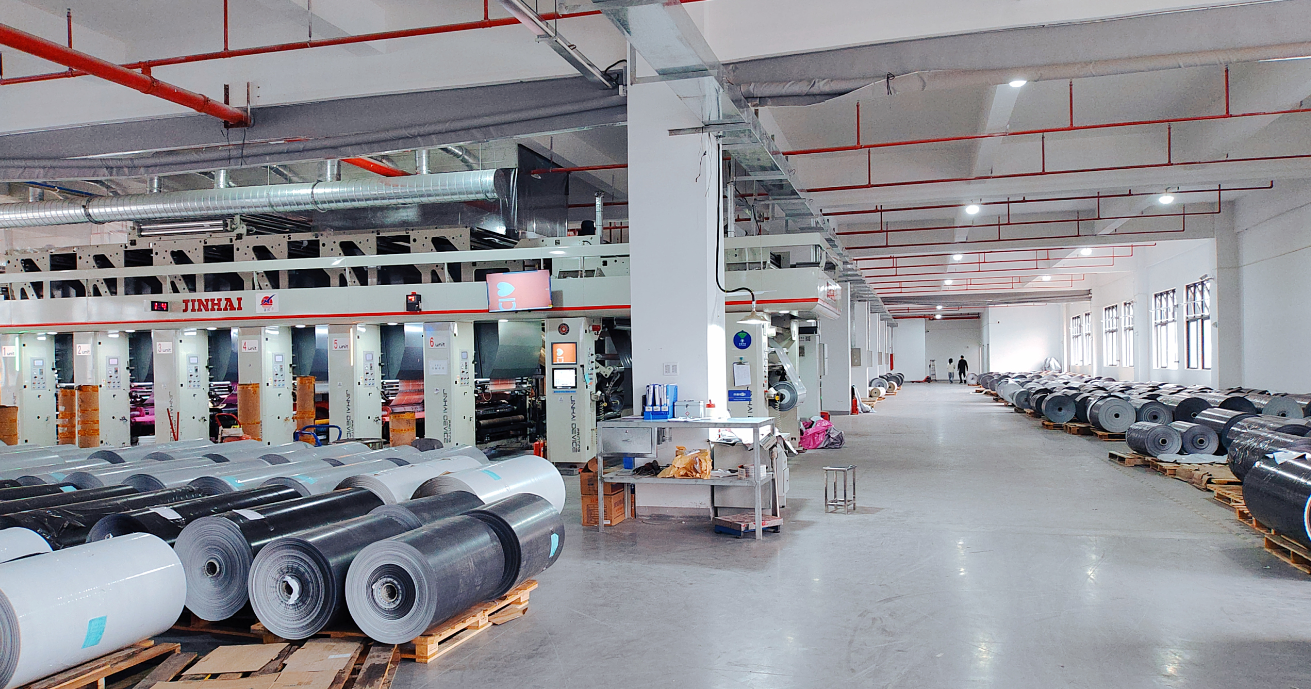
Ask for objective evidence, not promises. Request lab reports for tensile and peel tests, sample runs with your SKU, and a clear description of heat-seal parameters used. Visit or ask for live stream footage of production if travel isn’t possible — transparency correlates with quality control. Also, compare contingency plans: how do suppliers respond to raw film shortages or sudden order spikes? Those answers separate casual vendors from reliable poly mailer manufacturers that can scale without slipping standards.
Alternatives and trade-offs you should weigh
If cost is dominant, single-layer LDPE might suffice for low-value, light items — but expect thinner margin for error. For moisture-sensitive goods, laminated structures with barrier layers add cost but prevent loss from humidity. Biodegradable or compostable films are appealing, yet they often change tensile and seal properties — demanding retests and altered weld settings. Every eco or cost decision must be validated with the same mechanical tests you’d run on conventional films.
Implementation checklist — quick, practical steps
1) Define the worst-case transit scenario and design to that load. 2) Require peel and burst results on first articles under your fill conditions. 3) Lock weld parameters in the contract and include remediation clauses for out-of-spec deliveries. These steps prevent surprises and keep returns low.
Three golden rules for selecting and validating mailer solutions
1) Metric-first selection: insist on documented peel, tensile, and burst numbers rather than film thickness alone. 2) Real-use sampling: run samples through your actual filling and packing lines — off-line tests lie. 3) Supplier process transparency: choose partners who share heat-seal parameters, QA reports, and contingency plans.
When performance matters, you want a partner that turns data into durable mailers — and that’s precisely the kind of reliability found at WH Packing. They combine lab-proven test regimes with production discipline, so your printed message arrives intact — every time. —