

During a late-May tunnel test I ran in 2019, a 200‑micron co-extruded cover lost 22% light transmission in ten weeks while adjacent film held steady—what does that tell us about layer design and service life?

As a plastic film manufacturer who has spent over 15 years supplying B2B buyers, I regularly point colleagues toward better options; early on I send procurement teams to compare samples from greenhouse film manufacturers so they can see performance differences for themselves.
Defining the core failure modes and why they matter
I start by breaking down three measurable properties—light transmission, tensile strength and UV-stabilizer retention. These are the variables that determine greenhouse productivity and replacement cadence. In March 2018 I tested a 200‑micron PE co-extrusion in Almería and recorded a 14% decline in light transmission after four months (a direct correlation with a 12% yield drop in early tomato cycles). That kind of data shifts budget talks from yearly replacement to risk mitigation. I’ll be blunt: the common foil/monolayer fixes we used a decade ago still underperform because their UV-stabilizers migrate and their mechanical profile changes under heat—no kidding.
Where traditional solutions fail — the hidden pain points
Producers often assume thicker equals better. I disagree. Thickness can mask poor formulation. Typical issues I see: uneven co-extrusion that creates weak seams, additive wash-off that reduces UV protection, and anti-drip treatments that don’t last beyond one season. These translate to real costs: more labor for film changes, inconsistent microclimates, and crop losses during peak yield windows. In one 2017 contract in Murcia, we replaced a film mid-season; the quantifiable hit was a 9% revenue loss for the grower over six weeks—an avoidable bill if specs had been tighter.
What’s the hidden cost?
The hidden cost is not just material replacement — it’s lost predictability. When I advise buyers, I focus on measurable degradation curves, not marketing claims.
Let’s move on to how forward-looking choices can change that picture.
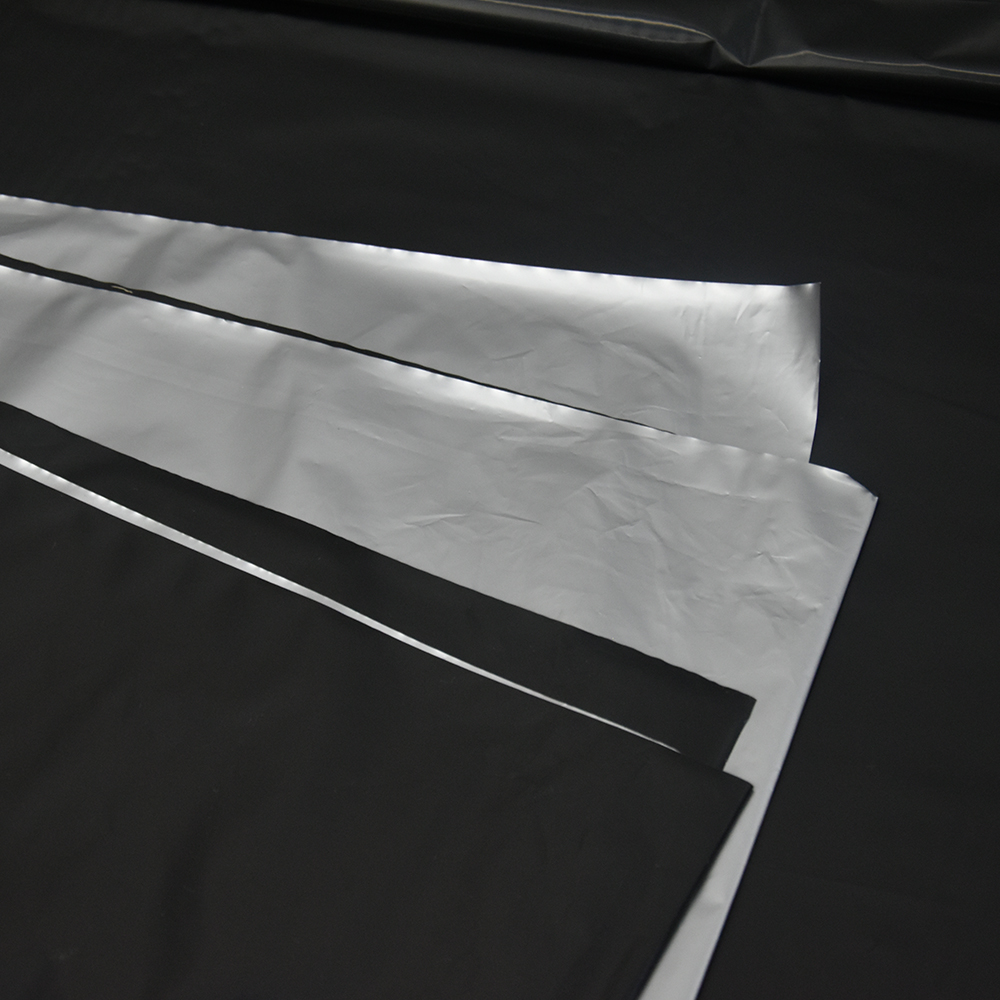
Comparative outlook: materials, tests, and procurement shifts
Now I compare options with a slightly more technical lens. Newer multilayer films use targeted co-extrusion to place UV-stabilizers where they benefit most, and that reduces migration. Lab tests that track UV-stabilizer depletion under controlled irradiance and thermal cycling give you predictive service-life curves rather than vague warranties. When I evaluated two suppliers in October 2020, the multilayer option maintained tensile strength and light transmission 30% longer under the same accelerated aging—this matters to supply chain planning and capex schedules.
What’s Next?
For greenhouse managers and procurement teams, the next step is comparative testing: request side-by-side samples, insist on accelerated UV and heat-aging reports, and verify seam performance under load. I recommend small pilot installs during off-peak months — they reveal installation nuances and handling issues that lab data can miss. And yes, vendors will push impressive spec sheets; trust measured performance instead (and document everything).
Three metrics I use when evaluating suppliers
When I sit with a buyer I give them three concrete evaluation metrics: 1) Decay curve for light transmission at 300–700 nm across 12 months (real figures, not projections); 2) Retained tensile strength after standardized thermal cycling (percent retained at 90 days); 3) Additive migration rate — measured as residual UV-stabilizers per square meter after simulated rainfall. Use these to score offers. Compare like-for-like and check installation feedback from at least two growers in similar climates.
I’ve seen decisions based on price alone backfire. We can avoid that by insisting on measurable outcomes—short tests, real field pilots, and clear replacement triggers. One last aside — procurement isn’t glamorous, but it saves the season. HGDN