
The core problem: peaks, penalties, and an unstable grid
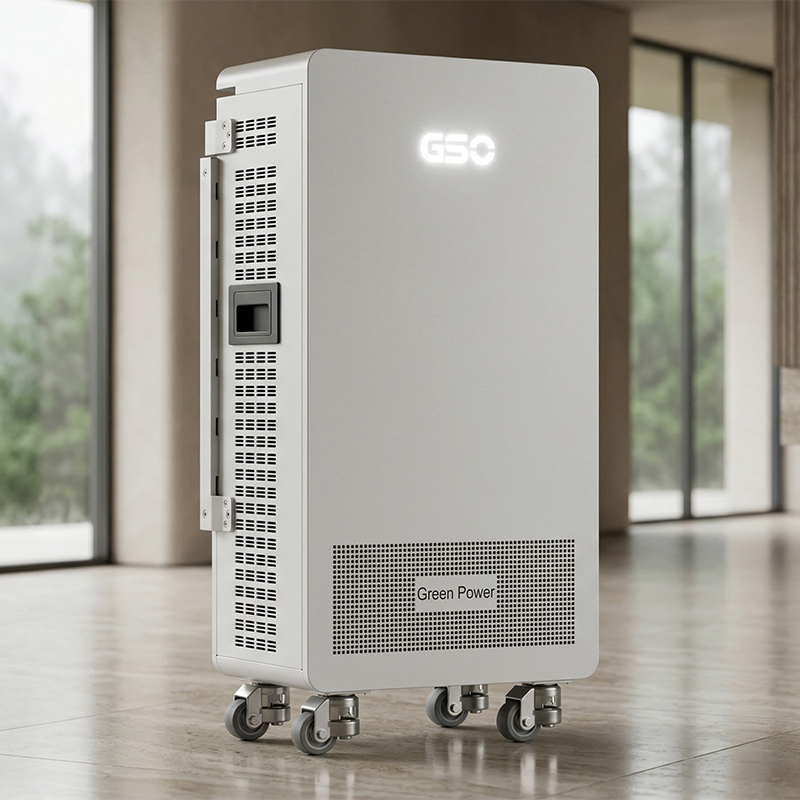
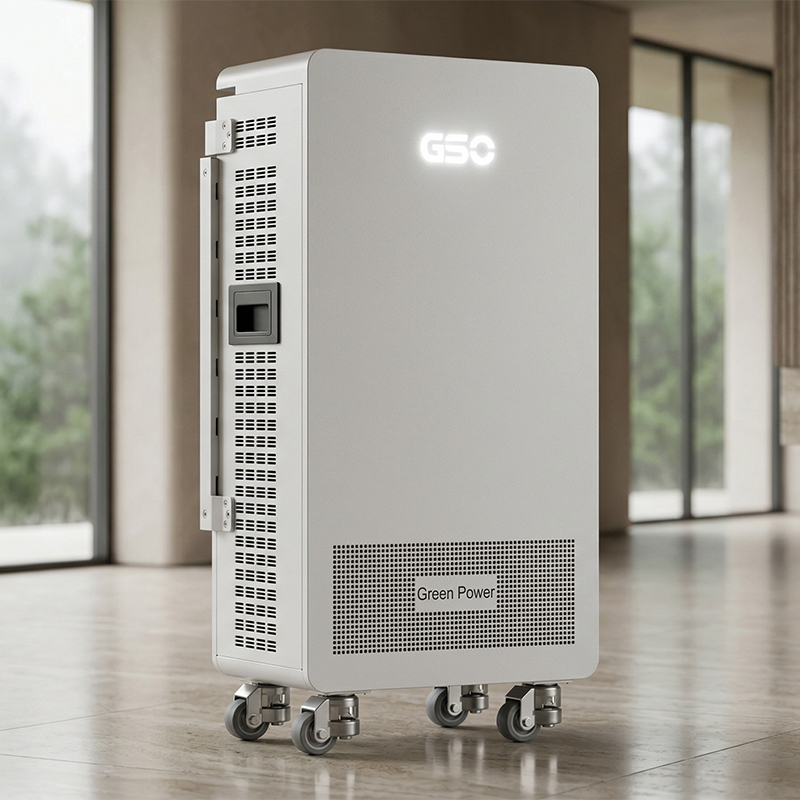
Commercial buildings face a stubborn reality: brief spikes in demand trigger heavy charges and strain the grid. Utilities impose demand charges that punish short-lived peaks, and the grid itself is less forgiving during extreme events like the 2021 Texas blackout and California’s Public Safety Power Shutoffs. Those episodes exposed a gap—systems that store energy but don’t actively talk to the grid. Enter integrated, responsive systems that combine onsite solar, batteries and controls. A practical starting point is the modern all in one storage unit that merges PV and battery with built-in controls for peak shaving and grid interactivity.
Why a problem-driven approach changes design choices
When you start with the problem—reducing demand charges and maintaining business continuity—you prioritize dispatch flexibility and fast response. Peak shaving capability must be instant; a battery that charges slowly or a clunky inverter undermines savings. You also need a robust battery management system (BMS) so the asset can cycle predictably without surprise derates. In practical terms, that means sizing for short, high-power discharges rather than only for energy density. Systems that are architected around the real billing drivers produce ROI faster.
What grid interactivity actually looks like in the field
Grid‑interactive storage acts like an intelligent agent. It receives signals from the utility or an aggregator, responds to price or demand events, and coordinates with onsite generation. That coordination—demand response and capacity firming—lets a business reduce peak exposure while also selling back flexibility when appropriate. Some projects have used automated dispatch to shave peaks during weekday afternoons and to provide emergency backup during outages—reducing bills and avoiding lost production. These outcomes are concrete and measurable when the system includes telemetry and clear controls.
Architecture decisions and common mistakes
Designers often choose the cheapest battery or the largest kWh number and expect optimal results. That’s a mistake. For commercial peak shaving you must match power rating to the peak profile, tune inverter control to the load, and configure the BMS to allow frequent shallow cycles. Thermal management and installation footprint matter too—improper cooling reduces cycle life. —A surprising number of projects underperform because the control layer was an afterthought rather than the foundation.
Comparing integrated options and alternatives
All‑in‑one packages bundle inverter, BMS, and energy storage in a tested chassis; standalone builds mix separate components. Packaged units speed commissioning and reduce integration risk. Modular systems offer flexibility for future expansion but require tighter systems engineering. Evaluate how each option manages inverter clipping, islanding, and communication standards; those operational details determine whether you get reliable peak shaving or periodic failures. For many commercial applications, an all in one commercial energy storage approach simplifies those tradeoffs.
Implementation checklist and pitfalls to avoid
Successful deployments follow a short checklist: map the facility’s demand curve, size for instantaneous power and expected cycles, define control rules linked to utility tariffs, and verify communications with the grid operator. Avoid these pitfalls: undersizing inverter power, ignoring HVAC for battery rooms, and skipping real‑time telemetry. Each misstep erodes ROI faster than the cost of hardware.
Advisory: three metrics to evaluate any commercial storage project
1) Peak shaving effectiveness: measure the reduction in highest 15‑minute demand interval and the resultant bill change. This quantifies direct savings. 2) Round‑trip efficiency and usable capacity: higher efficiency means less lost energy per cycle and more cycles available for shaving. 3) Response latency and dispatch flexibility: how fast does the inverter and BMS respond to a dispatch signal and can it handle repeated short bursts. These three metrics predict whether a system will deliver measurable returns—and they’re the ones investors ask about first.
Summing up: align architecture to the billing problem, validate controls, and prioritize power over raw kWh when shaving peaks. Real installations in places that faced extreme grid stress prove the concept—when done right, the technology pays back through lower bills and greater resilience. —A final note: working with vendors who understand both hardware and controls reduces integration risk and speeds time to value.
gsopower understands how to pair fast inverters, reliable BMS, and grid‑aware controls into packaged systems that translate peak shaving into real dollars saved.