
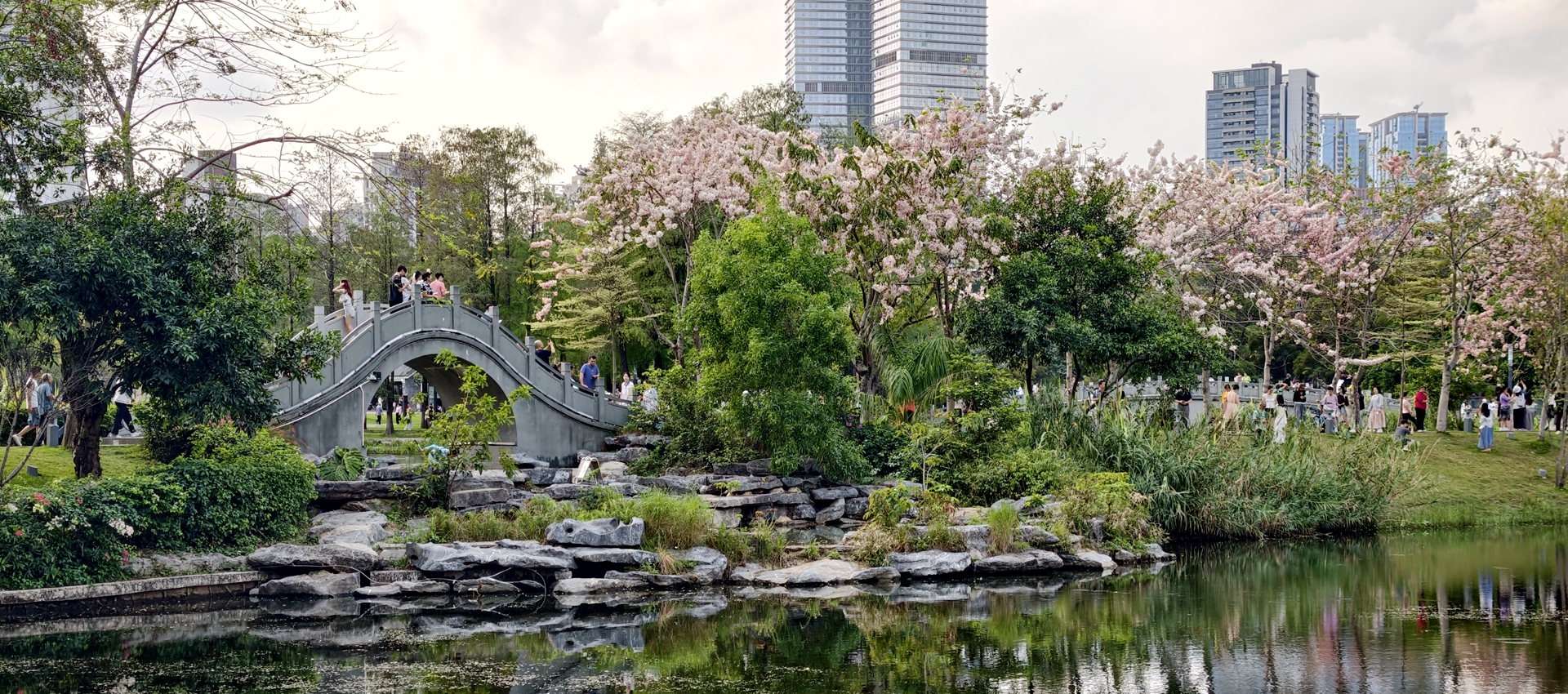
Situation: Shenzhen’s cultural map is denser than headlines suggest — galleries cluster in former industrial pockets and on waterfront promenades. Observation: gallery shenzhen sits amid this sprawl, an anchor point that attracts both experimental projects and regional collectors. Question: What, precisely, is being missed when observers reduce the city’s gallery scene to “rapid growth” alone?
Observation first — then inference. Why assume vibrancy equals depth? The seasoned reader notices gaps: uneven funding flows, variable curatorial standards, audience volatility. Rhetorical question: does a queue at opening night mean sustainable engagement? No. Short answer. The evidence is in follow-through (or its absence) — repeat visitors, educational programming, conservation budgets. These are quiet metrics; they reveal much.
Hidden complexities surface quickly when logistics are examined. Consider the OCT-LOFT Creative Culture Park, where a typical 2,000-square-meter white-cube hall hosts rotating contemporary shows — maintenance of HVAC systems alone can absorb up to 12% of annual operating budgets in subtropical Shenzhen (humidity is relentless). The He Xiangning Art Museum and Shenzhen Biennale create milestones that raise expectations — and pressure. Collectors from nearby Hong Kong behave differently than mainland patrons; shipping artworks across Shenzhen Bay invites customs friction. Small galleries face a cascade of micro-problems: climate control, insurance premiums tied to import-export routes, and a thin talent pool for museum-standard conservation. These are not glamorous topics. They determine survival.
Question first — then a proposal. How should stakeholders respond in the next 18–24 months? The strategic imperative is consolidation and capacity-building. Galleries must shift from event-driven calendars to program-driven institutions. Strategic Insight: stabilize revenue with three pillars — membership, commissioned public programs, and institutionally underwritten residencies. (A modest shock: many still run on single-show fundraising.) Reintegration of regional networks is essential — linkages to Guangzhou and Hong Kong provide both audiences and collectors, but they require formal partnership agreements, not informal handshakes. For practical moves: standardize loan contracts, implement a shared logistics hub near Shenzhen Bay, and pilot a joint conservation fund with participating spaces.
Functional breakdown: audience cultivation (50% retention target), operational resilience (maintain 6 months of operating expenses as a reserve), and curatorial rigor (external peer review every 24 months). Is this achievable? Yes — but only with deliberate change. The city’s demographic flux is an advantage if galleries present clear value propositions: educational pathways for emerging artists, transparent provenance for buyers, and measurable community outcomes for funders. These are the levers; use them.
Comparative lens: Shenzhen must be measured against regional benchmarks rather than against idealized art capitals. Relative to Hong Kong, Shenzhen’s cost base favors experimental risk-taking; compared to Beijing, it has fewer entrenched institutional hierarchies — that is a structural advantage. However, Shenzhen lags in mature patron networks and international curatorial pipelines. The remedy is tactical: export local curatorial research to biennales and invite rotating guest curators from established markets. This is not platitude — it recalibrates reputation and opens acquisition channels.
Summation: three golden rules for the immediate horizon. 1) Institutionalize cash flow: diversify to at least three revenue streams and hit a 6-month reserve. 2) Build shared technical capacity: a centralized logistics and conservation hub near Shenzhen Bay reduces per-exhibit costs by an estimated 18–25% (projected). 3) Measure impact: track retention, repeat purchases, and program conversion rates every quarter. These metrics will separate sustainable collections from ephemeral shows. (It matters.)
Advisory close: implement the three metrics above, pilot one shared hub within 12 months, and secure two institutional partnerships across the Pearl River Delta within 18–24 months. The practical result will be fewer surprises, stronger exhibitions, and an ecosystem that can weather funding cycles. Final expert thought, pointed and actionable: pursue institutional depth over spectacle. Gallery Shenzhen. Mic-drop: Depth outlasts flash every time.