
Opening: why a framework beats reactive fixes
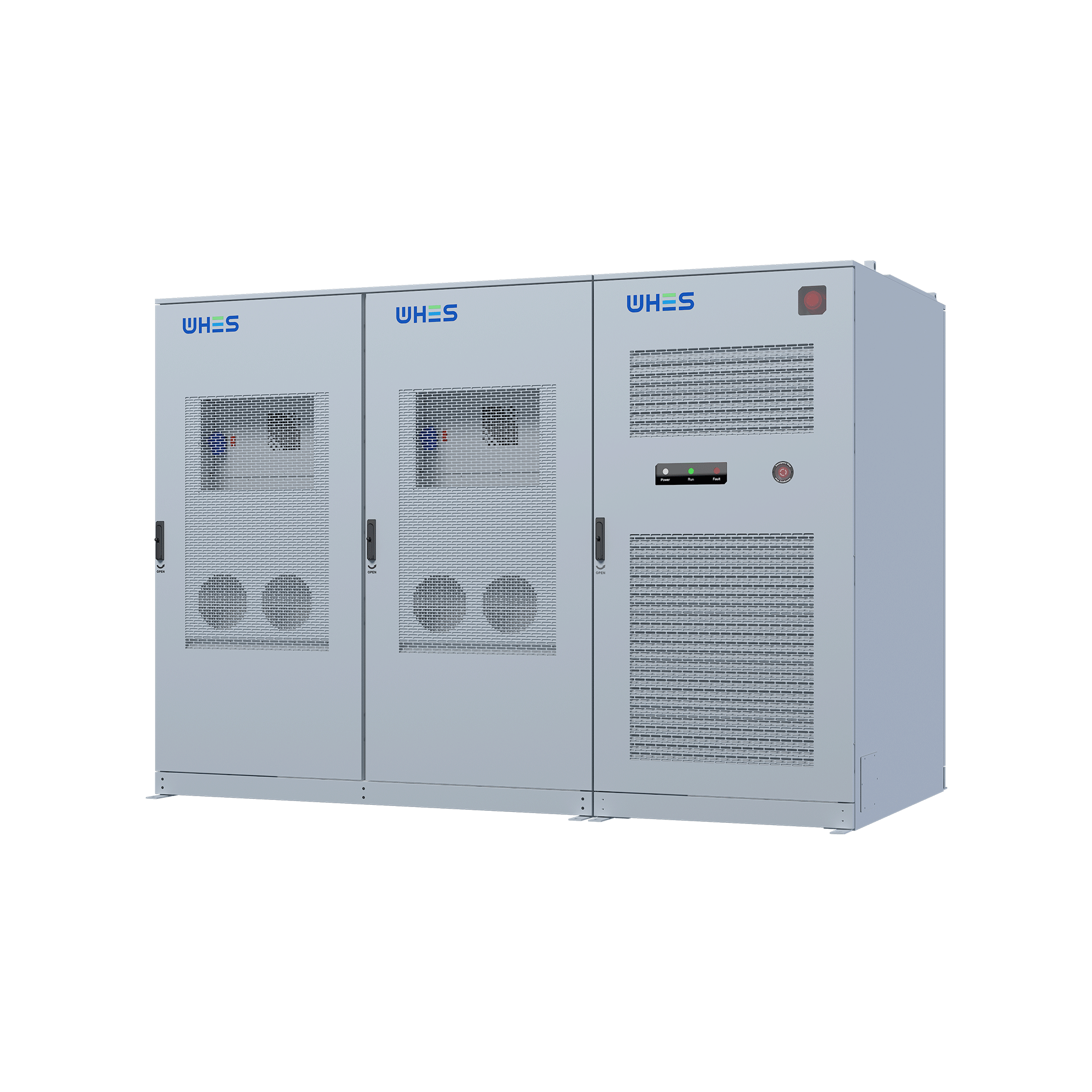
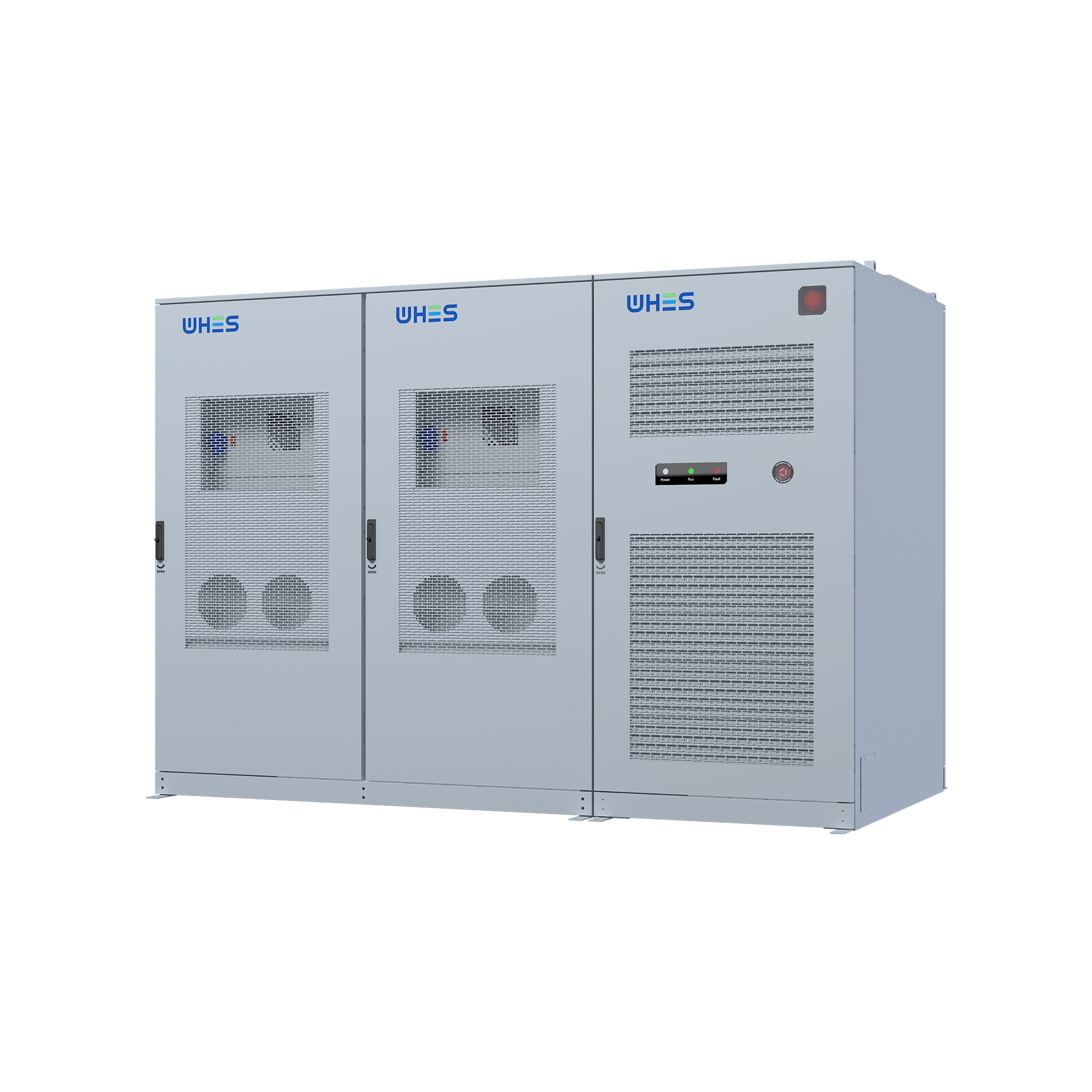
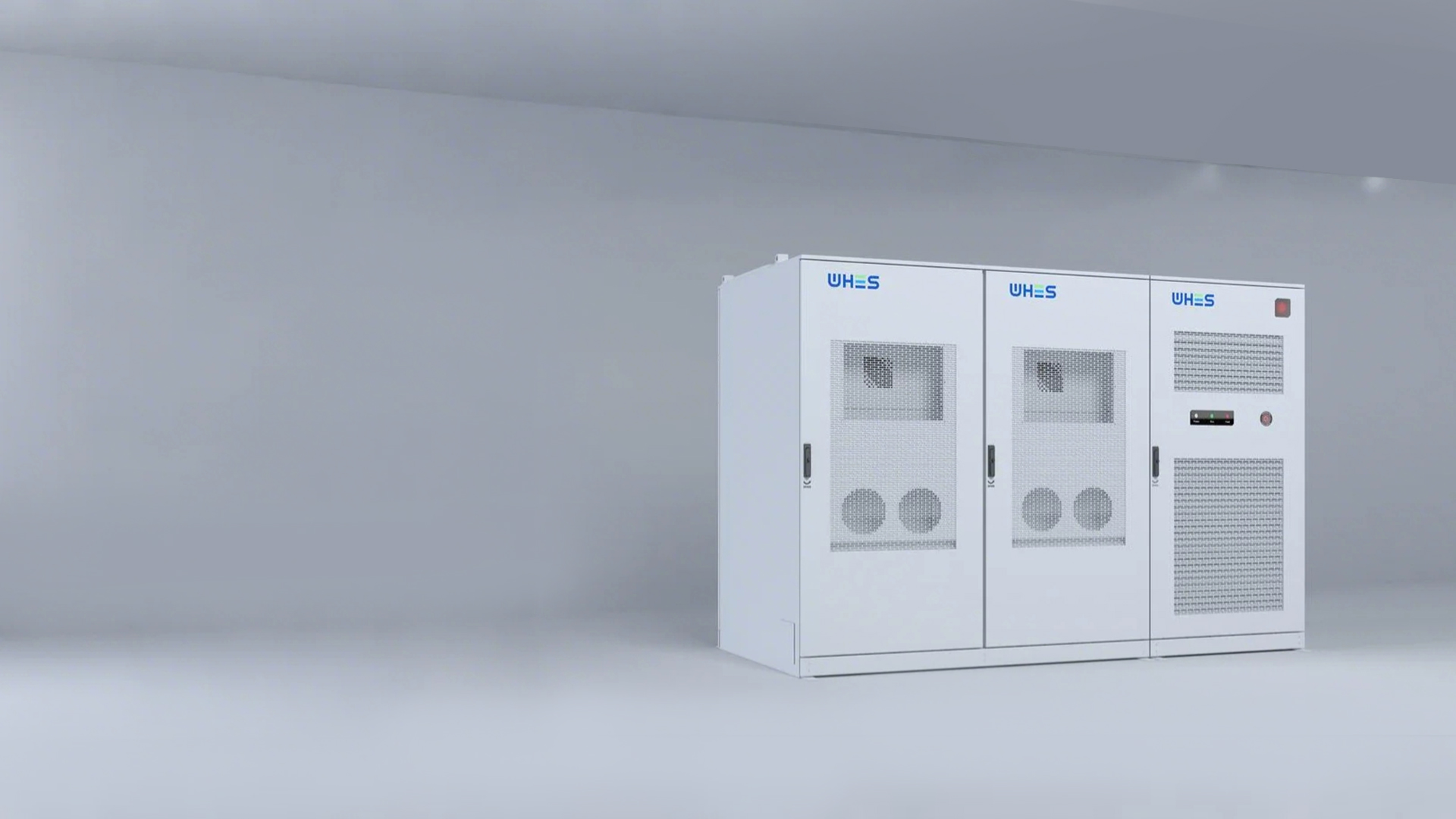
Utilities know the cost of surprises — outages, emergency swaps, unhappy customers. This playbook gives a clear framework for preventive maintenance when you deploy intelligent industrial all‑in‑one power platforms, so you can move from firefighting to predictable ops. If you’re evaluating hardware, consider how the system handles diagnostics and lifecycle planning — for example, a platform with an integrated commercial energy storage module that exposes telemetry and local control can cut mean time to repair dramatically. Think about inverter behavior and the battery management system (BMS) telemetry up front — those are the data streams that tell you if maintenance is needed before alarm bells ring.
Framework overview: four pillars of preventive maintenance
The framework has four pillars: discovery, scheduling, execution, and continuous feedback. Discovery is asset profiling — catalog controllers, inverters, and storage racks, note firmware versions and SCADA integrations. Scheduling is risk‑based planning — prioritize interventions where failure causes the biggest customer impact. Execution includes standard operating procedures (SOPs) for inspections, thermal scans, and firmware updates. Continuous feedback closes the loop: feed inspection results back into a CMMS so your next schedule adapts. This is systematic maintenance, not hopeful calendar checks.
Discovery — build a reliable asset map
Start by mapping every intelligent unit and its dependencies: switchgear, inverter, BMS, cooling systems, and communications links. Record serials, firmware, and last service date. Include state of charge (SoC) profiles for storage units and nominal cycle life estimates for battery packs. A clean asset map reduces the “who owns this?” drama during an incident and helps you plan spare part kits — neckless errors become fewer when parts are matched to serials and firmware.
Scheduling — move to risk-based cadence
Turn calendar-based checks into risk-based intervals. Use uptime impact, environmental stressors (heat, humidity), and historical failure rates to set inspection frequency. For example, a storage rack in a coastal substation needs more frequent corrosion checks than one inland. Also, bake in preventive firmware rollouts — stagger updates across units to avoid simultaneous reboot risk. This is where planners and field techs sync cadence — and yes, you’ll want a staging environment that mirrors production.
Execution — make field work predictable and safe
Field SOPs should include visual inspection, electrical checks, thermal imaging, and controlled firmware updates. Standardize checklists and require photos or telemetry snapshots for each task to prove compliance. Use handheld diagnostics that integrate with your CMMS so results auto-log. Train techs on safe battery handling and recognize signs of thermal runaway early — that small awareness saves equipment and people. Also, keep critical spares on-site: contactors, fuses, and communication modules are the common culprits.
Continuous feedback — close the loop with data
Automate telemetry ingestion from the BMS and inverters to your analytics layer. Trending SoC drift, impedance change, or unexpected charge/discharge cycles reveals degradation earlier than single‑point alarms. Feed those trends into predictive models that flag likely failures 30–90 days ahead. When you combine trending with field inspection notes, your CMMS becomes a learning system — the more you maintain, the smarter your schedule gets.
Common mistakes utilities make — and how to avoid them
Most ops teams trip over three things: ignoring firmware compatibility, underestimating transport and handling risks, and treating storage like static equipment. Don’t assume all modules accept the same update. Test updates in a lab first, and validate inverter and BMS interoperability. Underestimate transport and you’ll see damaged cells on arrival — crate handling specs matter. And remember, battery packs age with use and environment, not just calendar time — track cycle life metrics and adjust service intervals accordingly. —
Tooling and procurement tips
Procure with maintenance in mind. Specify replaceable modules, easy access to fuses and contactors, and clear documentation for firmware rollbacks. When assessing suppliers, ask for failure-mode documentation, recommended spare‑parts lists, and a history of firmware‑related incidents. Systems that expose diagnostics via open protocols (Modbus, IEC 61850) simplify integration with your SCADA and CMMS. If you need a benchmark model during procurement, consider platforms that offer packaged commercial energy storage systems with pre-validated interfaces — saves time in commissioning and reduces finger-pointing later.
Real‑world anchor: lessons from Winter Storm Uri
When Winter Storm Uri hit Texas in February 2021, generator and grid stresses exposed weak maintenance plans and underscored the value of resilient, well‑maintained assets. Utilities that had systems with good telemetry and spare planning restored service faster. Use that event as your cautionary tale: invest in visibility and preventive regimes now so you don’t scramble when weather or demand spikes strain the grid.
Summary and tactical next steps
Bring these parts together: map assets, prioritize by risk, execute standardized inspections, and close the loop with telemetry and CMMS integration. Start small — pilot one substation or a single microgrid — then scale procedures that prove out. Expect early wins in reduced emergency dispatches and clearer spare parts consumption; those are measurable and sell the approach internally.
Three golden rules for evaluation
1) Availability Impact Score — rank assets by customer‑facing consequence and focus maintenance where the score is highest. 2) Mean Time Between Preventive Actions (MTBPA) — track how long systems operate between successful preventive interventions; improving this reduces outages. 3) Diagnostics Coverage Ratio — measure percent of assets that expose actionable telemetry (BMS, inverter, thermal) and only buy systems that meet your minimum threshold.
For practical preventive maintenance that scales with modern grid needs, the playbook points you toward platforms that pair strong diagnostics with clear serviceability — and that’s precisely the value WHES brings through proven designs and integrated systems. WHES. —