
Why compare optical approaches in commercial exteriors
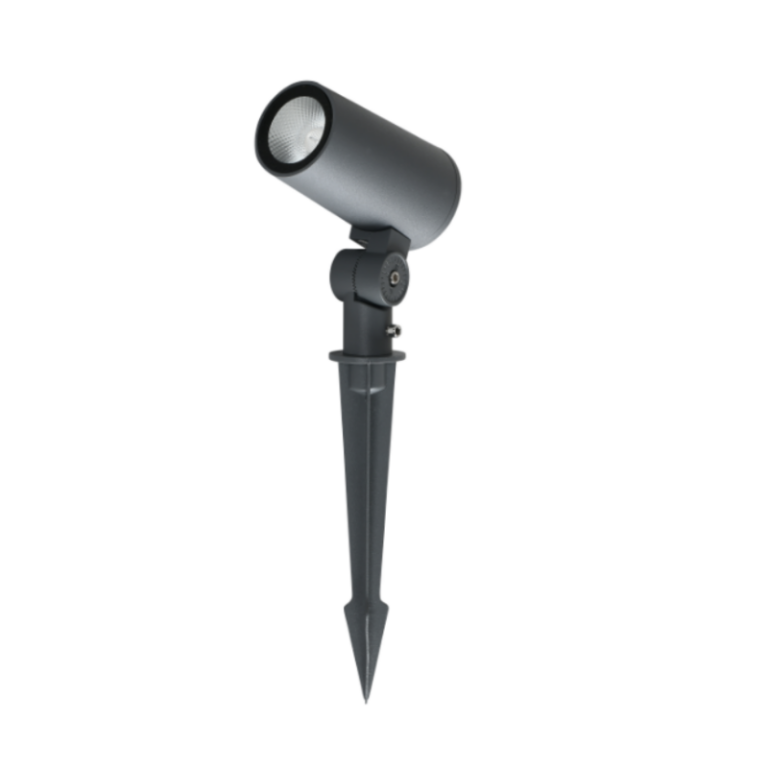
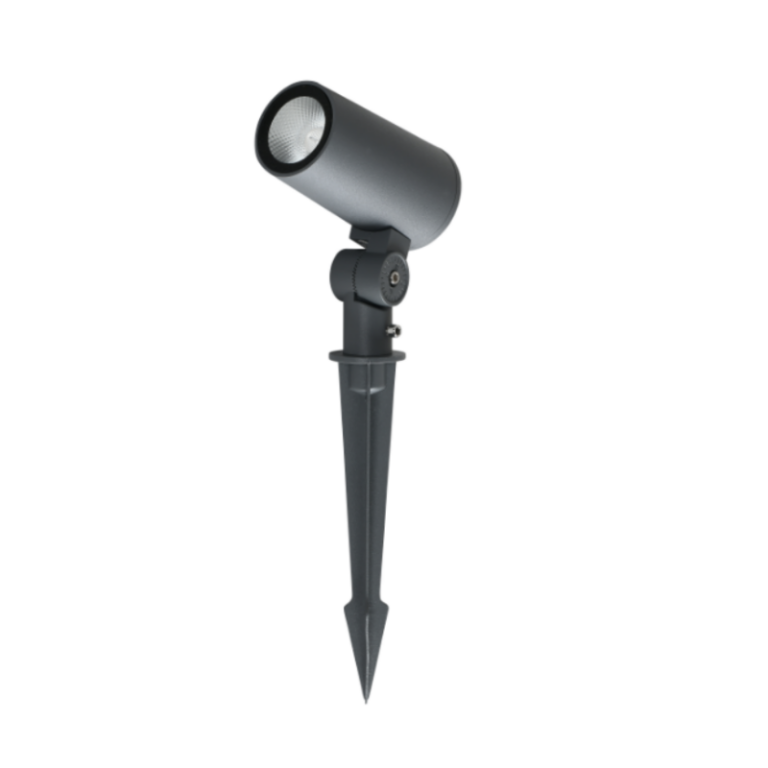
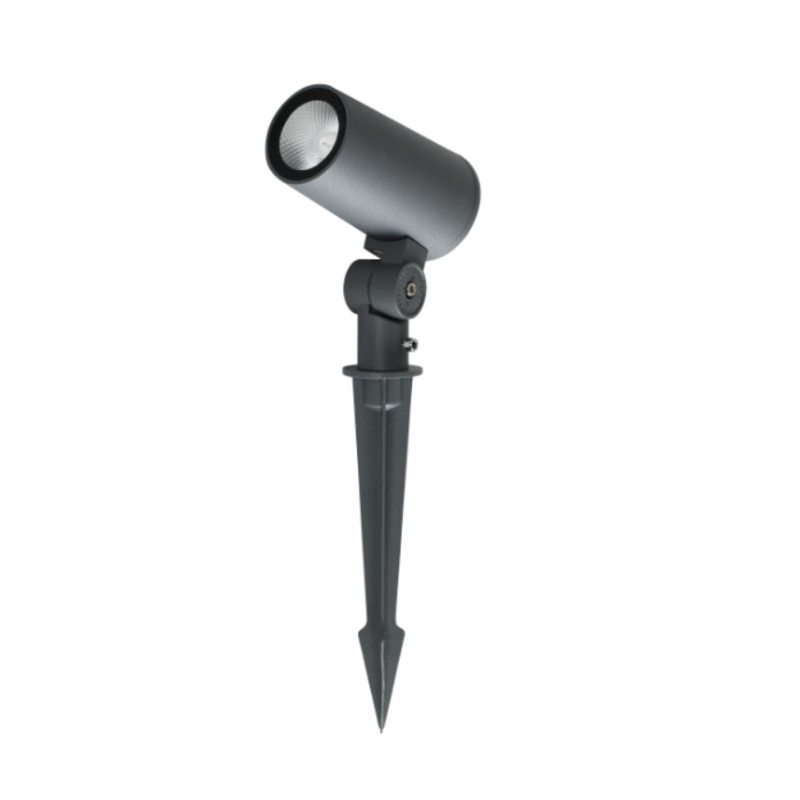
Decisions about wall‑mounted luminaires affect more than aesthetics; they determine safety, energy use, and visual comfort on a campus, plaza, or retail facade. A comparative analysis clarifies trade‑offs between precise optics that sculpt façades and broad photometric strategies that prioritize uniformity and utility. Early in a project you may specify decorative garden spike lights or larger wall units — both require coherent photometric planning to avoid hot spots, glare, or wasted lumen output.
Core metrics to use as your evaluation framework
Apply three measurable criteria when comparing systems: photometric distribution (how light is delivered across a surface), lumen output versus efficacy (real delivered lumens per watt), and glare control (measured by cutoff angles or UGR for pedestrian spaces). Include CCT and CRI targets where color rendition matters — for retail facades or heritage masonry, CRI 80+ is typical — and ensure IP rating suitability for exposure. Using these metrics keeps vendor discussions technical, traceable, and defensible in bid evaluations.
Optical precision versus photometric design: a practical contrast
Optical precision uses engineered lenses and narrow beam angles to highlight architectural elements and control spill. Photometric design, by contrast, models entire zones to achieve uniform illuminance and safe transitions between work and pedestrian areas. Precision optics minimize stray light and can reduce fixture counts for accenting; system‑level photometry reduces maintenance cost by standardizing fixtures and simplifying control zones — choose depending on whether your priority is feature lighting or operational efficiency.
Real‑world anchor: lessons from urban retrofits
Take the adaptive lighting retrofits on elevated park projects such as New York’s High Line, where designers balanced accenting plantings with safe path luminance using a mix of targeted fixtures and area photometry. The project highlighted two durable lessons: 1) field‑verified IES photometric files are critical for accurate modeling, and 2) site conditions often force compromises on beam angle and mounting height. Integrating low‑level outdoor stake lights for edging while reserving wall fixtures for vertical emphasis proved an effective hybrid approach.
Procurement and specification best practices
Procure by performance, not only by catalog image. Require IES files for each proposed fixture and ask for measured lumen maintenance curves (L80/L70 projections). Confirm mounting interface and conduit knockouts early to avoid field modifications. Specify acceptance tests: on‑site illuminance checks, tilt/aim verification, and thermal performance under load. These items reduce RFIs during installation and protect schedule—because surprises at dusk slow more than just the crew.
Common mistakes to avoid
Teams frequently under‑spec glare control and overestimate canopy uniformity from narrow beams. They also neglect IP and corrosion class for coastal or industrial exteriors, which accelerates depreciation. Another misstep is ignoring control strategy: occupancy sensors, dimming profiles, and time clocks directly affect energy savings and perceived brightness. A practical checklist mitigates these failures—model first, verify samples, and pilot on a representative bay.
Comparing vendor approaches: what separates leaders
Top suppliers deliver three connected capabilities: validated photometrics (measured, not just modeled), robust optics with interchangeable lensing or shield options, and lifecycle data for lumen depreciation and driver reliability. Value candidates will also offer integrated controls and declared firmware update paths for networked lighting — essential when you scale to campuses or multi‑building portfolios. Price matters, but so do documented return‑on‑investment scenarios tied to measured energy and maintenance reductions.
Advisory — three golden metrics for final selection
1) Photometric fidelity: require IES files and compare predicted versus measured lux within 10–15% on a site mockup. 2) Lifecycle performance: evaluate projected L70/L80 hours and driver MTBF to estimate replacement costs over ten years. 3) System interoperability: verify NTCIP/DALI/0‑10V compatibility and ensure the control architecture supports zoning and dimming profiles. These metrics align optical results with operating budgets and user experience.
When you assemble the technical case and the procurement checklist, the right balance of optics and photometry becomes obvious — it’s about aligning fixture capability with the project’s functional and visual goals. For commercial projects that demand both precision and operational clarity, choosing suppliers who back photometric claims with data is the sensible path. Keyida brings that combination of measured performance and practical product breadth to complex exterior programs — a pragmatic partner for designs that need to work long after commissioning. —