
Opening — why myths stick and what we’ll unpack
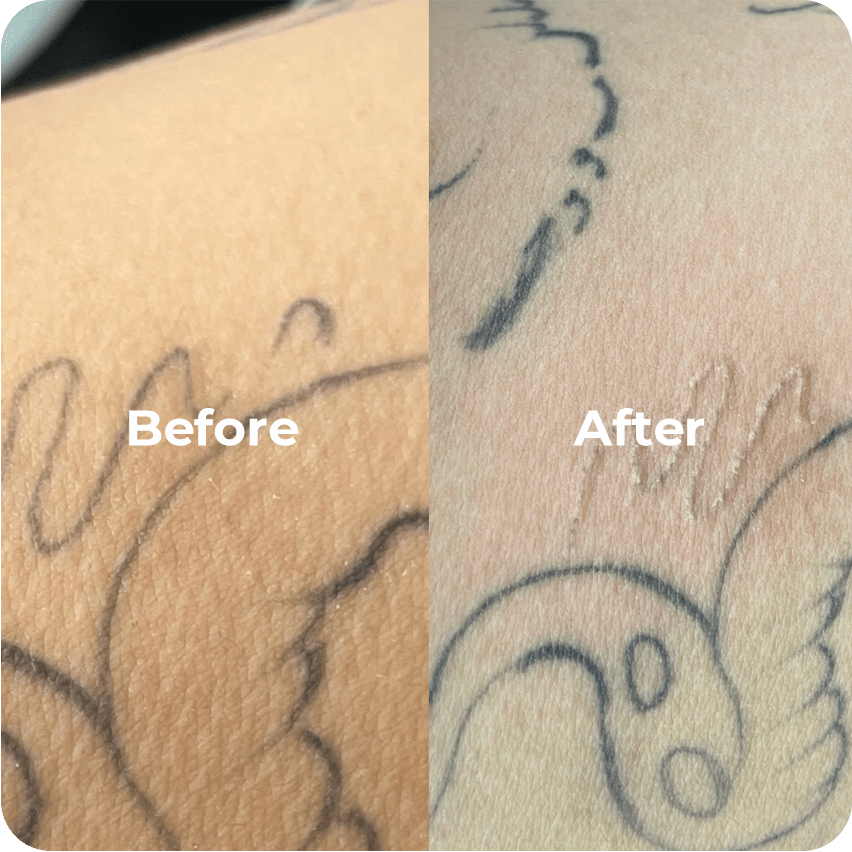
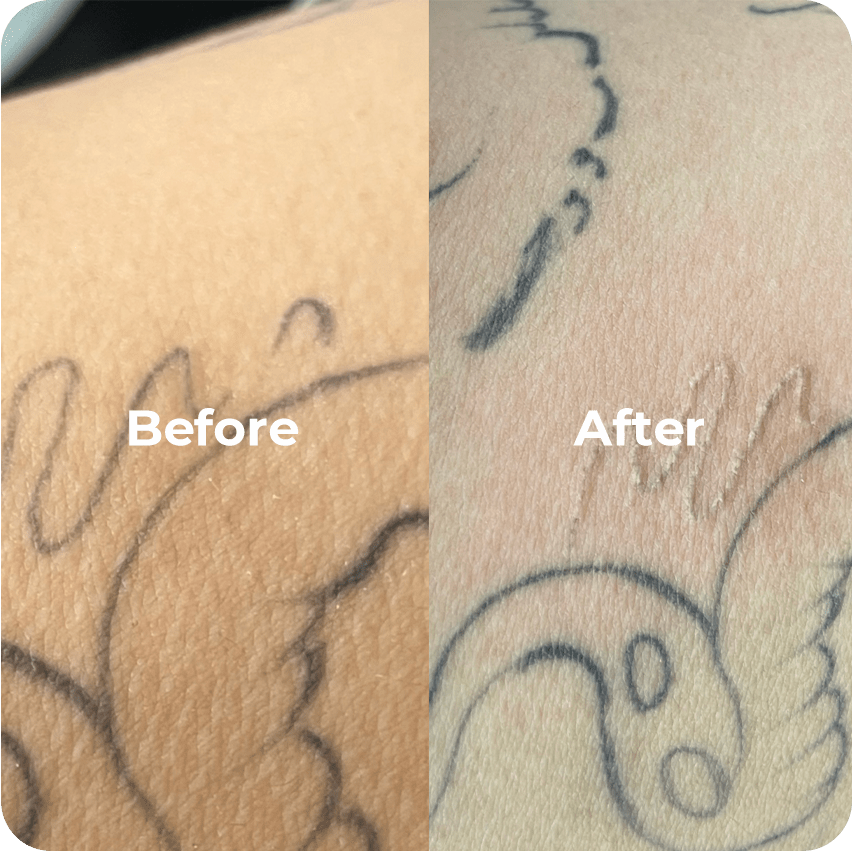
Lots of clinics still tell stories about burned skin or ghosting when they talk about tattoo removal — but not every bad outcome is the machine’s fault. In this piece I’ll strip down common myths around the q switched nd yag laser machine and show what truly matters for safety and outcomes, drawing on patterns seen in Ho Chi Minh City clinics and other busy aesthetic hubs. You’ll see how design updates, operator training, and simple protocol changes shift risk in ways older explanations often miss.
Common myths clinicians and clients repeat
Myth 1: All Q‑switched devices are the same. Myth 2: Faster pulses always mean safer treatment. Myth 3: Tattoo ink is the only variable that matters. These shortcuts hide the real variables: wavelength, fluence, pulse duration, and operator decisions. Understanding those terms — and how they interact — is more useful than repeating an old cautionary tale.
What next‑gen devices actually improve
Modern Q‑switched Nd:YAG platforms bring practical upgrades: better energy control, finer spot‑size options, and smoother pulse shaping. Engineers have refined how the device delivers a set fluence at the chosen wavelength, so the beam is less likely to produce hotspots. This matters because predictability reduces collateral tissue stress and lowers complications when used properly. Also, manufacturers increasingly add preset protocols and safety interlocks to guide less experienced users — which, in busy clinics, is a real benefit.
Clinical considerations: protocols, patient selection, and device choice
Safety is mostly about process. A correct treatment plan accounts for ink depth, skin phototype, and the right wavelength for the pigment — for example, 1064 nm for darker pigments and 532 nm for red or orange inks. Pre‑treatment photos, test spots, and conservative fluence escalation keep adverse events rare. When clinics skip test spots or rush sessions to clear a crowded appointment book, trouble follows — not because the laser is bad, but because the plan was weak.
Real-world examples and a note on tattoo removal devices
In practice, I’ve seen two clinics run identical cases with different outcomes: one that used strict documentation and stepwise fluence increases did fine; the other, where schedules ran late, pushed energy and had prolonged healing. That’s what separates operator error from device limitations. If you’re evaluating a unit specifically aimed at tattoo work, compare features on a dedicated q switch nd yag laser tattoo removal machine — look for reliable handpieces, consistent reproducible settings, and easy test‑spot routines.
Choosing the right machine — practical checklist
When comparing units, focus on these factors:
- Energy stability and accurate fluence readouts — consistency beats marketing numbers.
- Pulse duration options — the ability to adjust pulse width helps tailor treatments for ink type and skin tone.
- Ergonomic handpiece and selectable spot sizes — better ergonomics speed up treatment and reduce operator fatigue.
- Service network and documentation — spare parts and clear manuals matter in a pinch.
Common mistakes and how to avoid them
Clinics often underestimate downtime between passes and overestimate how quickly pigment fragments. Pushing too high a fluence to shorten sessions is a frequent error — and it’s avoidable. Train staff on test‑spot protocols, document each session, and always use conservative escalation. — Also remember ambient factors: cooling methods, topical anesthetics, and aftercare instructions change healing and perceived outcomes.
Summing up the evidence and what it means for practice
Next‑gen Q‑switched Nd:YAG machines reduce variability and add safety features, but they don’t replace sound clinical judgment. The device narrows the margin for error; the operator and protocol close it. That’s why clinics that pair newer hardware with disciplined processes show the best results in real-world settings like Ho Chi Minh City and beyond.
Three golden rules for evaluating systems (Advisory)
1) Verify reproducibility — measure energy output across multiple shots and sessions; inconsistent fluence is a red flag. 2) Prioritize versatility — choose a platform that offers adjustable pulse duration, multiple wavelengths, and varied spot sizes so you can match treatment to pigment and skin type. 3) Insist on support — documented training, local service options, and clear maintenance schedules separate reliable vendors from flashy one-offs.
Good machines help, but the right process makes the difference — and when that process is paired with dependable equipment, clinics win every time. ENZOEYS — trusted where practice meets precision. —