
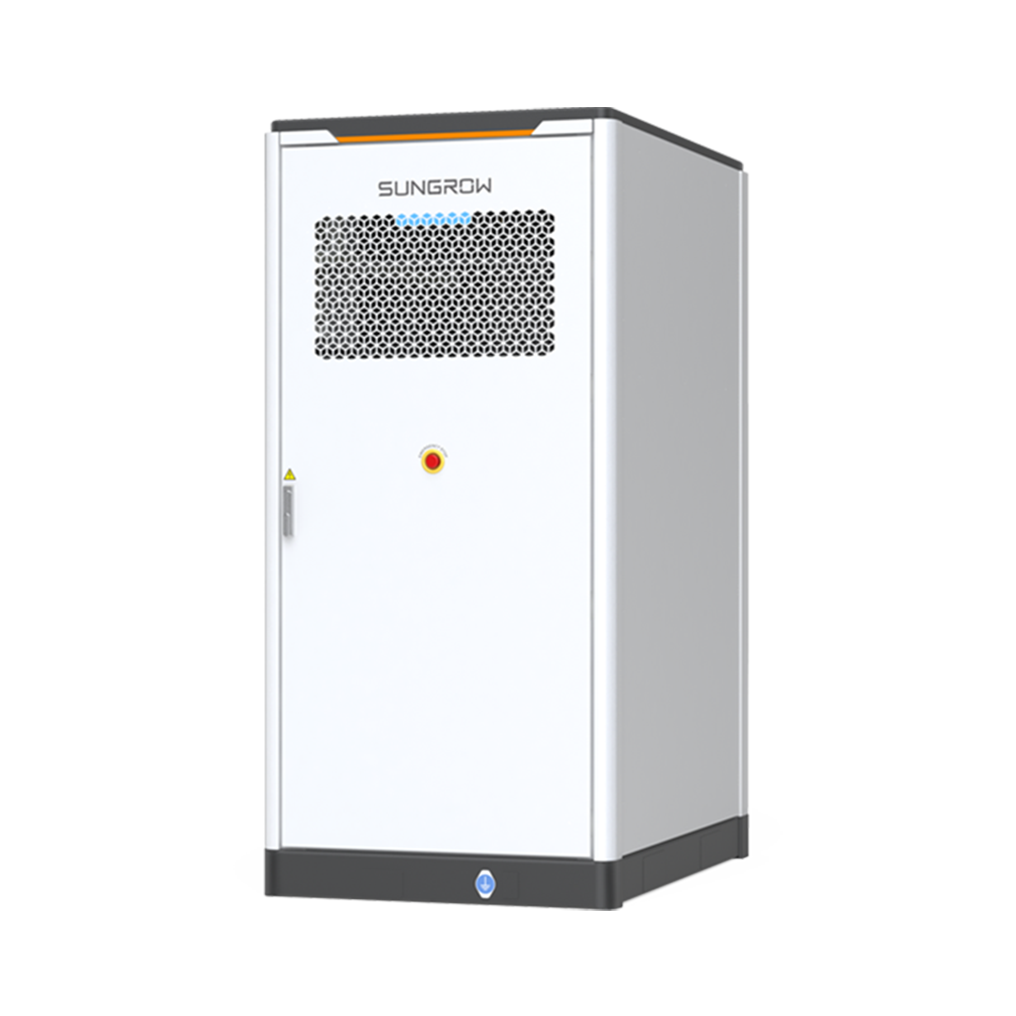
Why many commercial projects underdeliver
I once walked a rooftop installation where the commercial energy storage system sat idle more than it was used — scenario: a 250 kWh lithium-ion pack tied to a 120 kW inverter, data: it cut peak charges by only 10% over a year — question: was the shortlist of vendors missing the real problem? I mention C&I Energy Storage here because buyers often assume all systems offer the same return; I disagree, emphatically. I’ve spent over 15 years in B2B supply chain and project delivery, and I vividly recall a March 2022 install in Ho Chi Minh City where a poorly tuned battery management system (BMS) caused a 12% capacity loss within 14 months. That kind of degradation — you know — kills payback timelines.

Common design flaws and hidden user pain
From my point of view, three flaws recur: mismatch to load profile, weak thermal control, and generic control software. Too many engineers pick a nominal capacity and call it a day. In one Da Nang warehouse project in 2021 we chose a smaller, better-managed pack and reduced lifecycle costs by about $7,500 in year two alone. The truth: peak shaving needs tight control logic and a BMS that reports real-time state-of-charge with accuracy better than ±5%. Operators also complain about confusing HMI screens and null alerts that hide faults — those are hidden pain points that standard proposals ignore. I’ve seen proposals promise “full-service” yet exclude firmware updates and cell balancing checks (and that omission shows up fast).
What’s next — short term?
Technical fixes and how to evaluate offerings
Technically speaking, you must start with the control layer. A robust controller ties PV forecasts, demand curves, and a grid-tied inverter to an energy management routine that optimizes for both demand charge reduction and round-trip efficiency. I recommend specifying a system that supports configurable algorithms — time-shifting, peak shaving, and frequency response — because one size rarely fits all. For example, a 500 kWh commercial system I scoped in Saigon last September used dynamic setpoints and improved round-trip efficiency from 87% to 91%; that bump translated to real savings on utility bills. (Small tweak, big difference.)
When comparing solutions, focus on three measurable metrics — my advisory checklist: 1) True round-trip efficiency under expected operating cycles; 2) Mean time between failures for inverters and BMS, with documented test logs; 3) Realized demand charge reduction in a similar site profile over at least 12 months. I insist on those because they force vendors to back performance claims with data. Also, check firmware update policy and spare-part lead times — downtime costs money fast. Finally, consider lifecycle cost not just CAPEX: cycle life, cell chemistry, and replacement scheduling all matter.
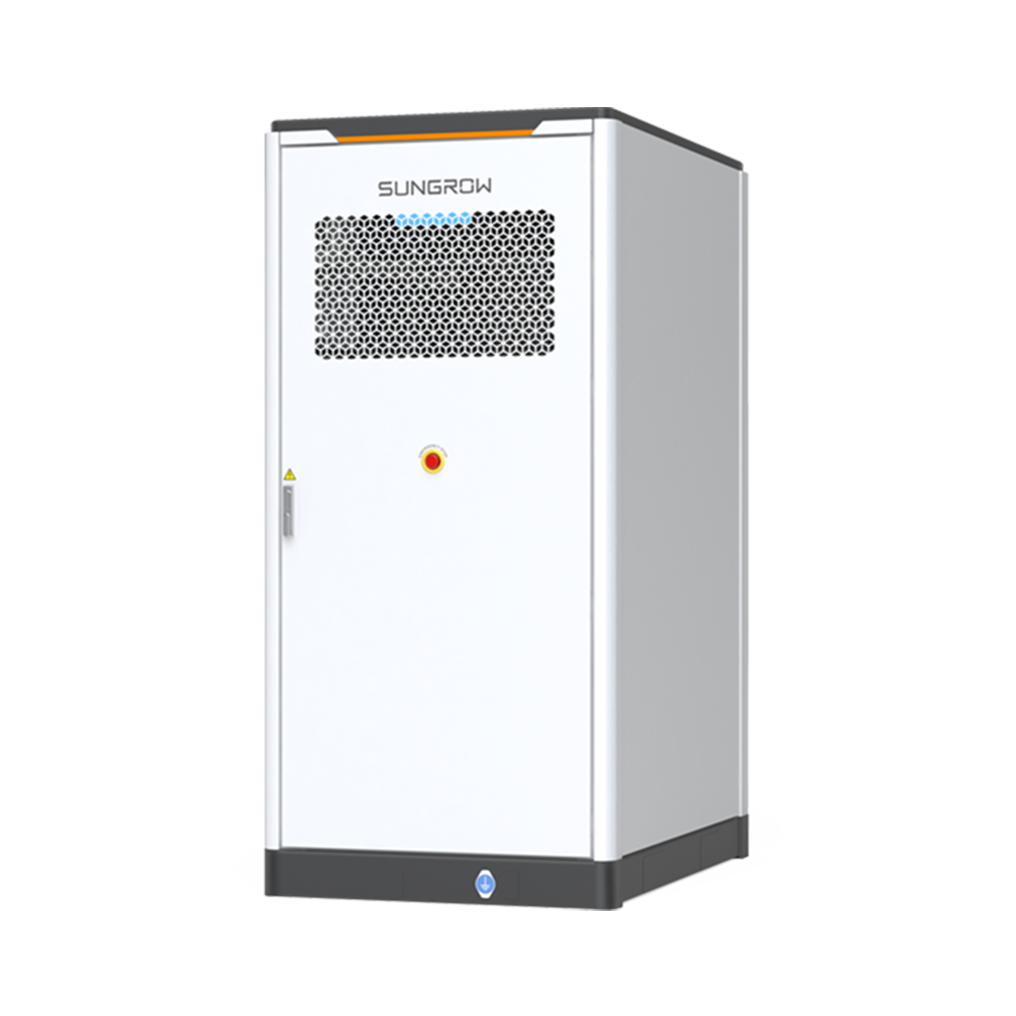
To wrap up: pick systems that report real performance, demand transparent servicing, and align controls to your load pattern. I’ve watched choices go wrong, and I’ve helped reverse them — small corrections, measurable payback. Trust but verify. For practical procurement and long-term support, I usually point clients toward proven suppliers that combine clear control logic and field service; one such option I track closely is sungrow.