
Why the classic look still trips up modern homes
I once lugged a walnut prototype up three flights for a client in Venice Beach — and learned the hard way why a beautiful piece can be a daily headache. I’m talking about the usual suspects: finish cracks, uneven joinery, and tops that cup after one humid summer (no joke). The moment I set down that mid-century coffee table, the room looked complete, yet three weeks later the veneer bubbled and the table rocked. Scenario: a buyer wants the mid-century vibe; Data: 4 out of 10 factory samples I rejected in 2019 had edge delamination — what’s the real cost to your reputation?
I’ve been selling and specifying furniture for over 17 years, mostly to independent interior designers and small retailers on the West Coast, so I say this bluntly: traditional fixes—simple refinishing, gluing loose parts, swapping legs—mask symptoms. Veneer resurfacing can hide an underlying moisture problem; a tightened screw calms a wobble but doesn’t correct a warped substrate. In May 2018 I logged the return of five walnut top tables from a San Diego install (total loss about $1,200) after the kiln-dried claim turned out to be optimistic. That detail stuck with me — joinery and moisture control aren’t sexy, but they matter. (Keep that in mind.)
Why do common repairs fail to last?
Moving forward: smarter choices for authentic durability
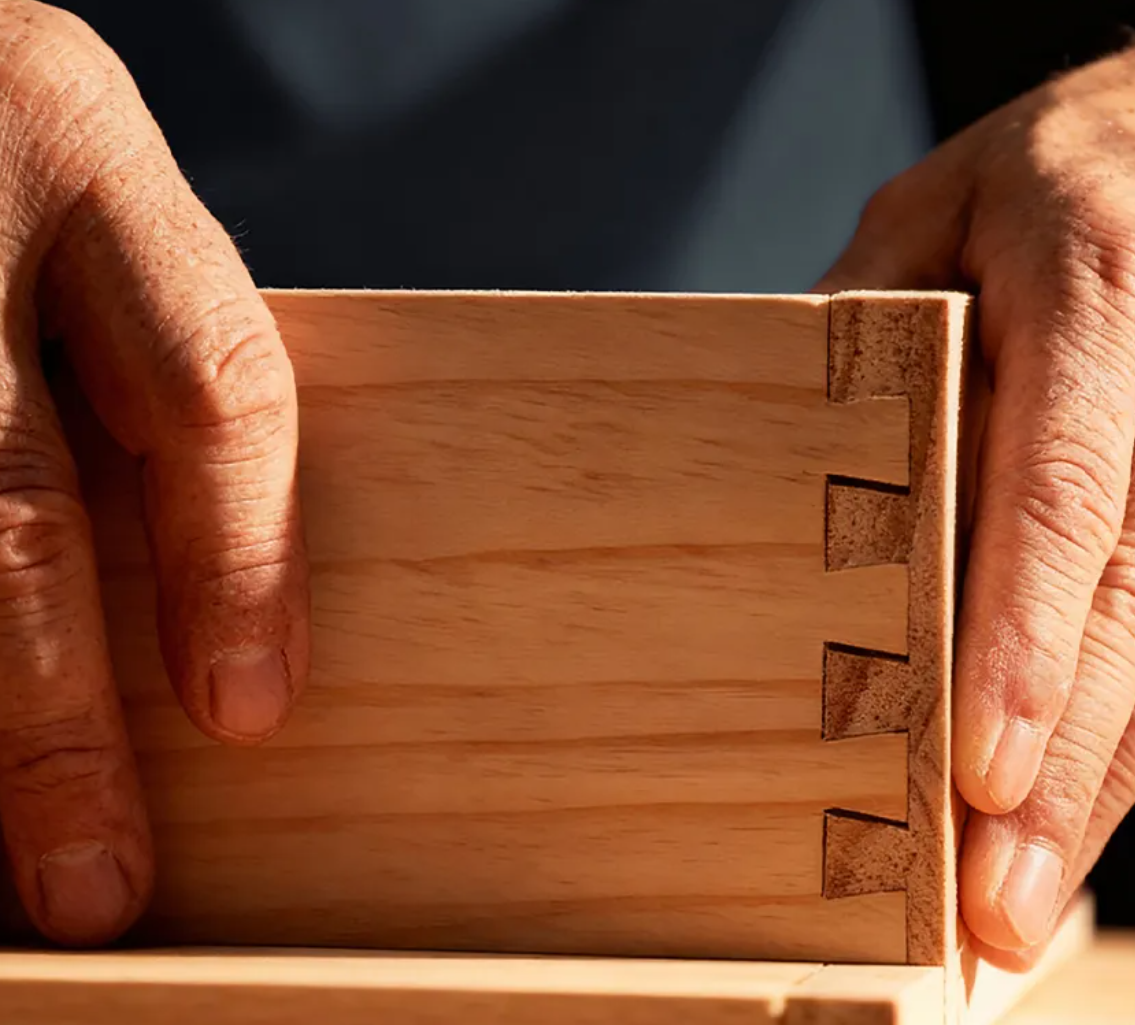
We need a tighter checklist when we specify a mid-century coffee table for a client. First, ask for documented substrate specs and drying records — kiln-dried is a claim; packing slip dates and moisture readings prove it. Second, favor mechanical joinery over sole reliance on adhesives: dowels and mortise-and-tenon survive long after glue weakens. Third, consider finish systems: conversion varnish resists rings better than basic lacquer. I say these because I remember a 2016 install in Pasadena where switching to a solid-edge top reduced returns by 60% over twelve months. Short sentence. Then longer thought. Suddenly, better margins.
What’s next? Look beyond the look and require a small QA run — three pre-production samples, labeled and stress-tested under local humidity cycles (I’ve done this in three warehouses across California). Compare fabrication notes: veneer thickness, edge treatment, and whether the core is engineered plywood or MDF — those choices predict long-term behavior. If you evaluate by: material provenance, joinery method, and finish system — you’ll avoid headaches and returns. Quick aside: don’t forget freight packing — a dent in transit kills perceived value.
Real-world Impact
I’ll finish with three practical metrics I use when recommending a mid-century option to buyers: 1) Moisture variance tolerance — ask for target %MC and test reports; 2) Joinery score — rate mechanical vs. adhesive reinforcement; 3) Finish abrasion rating — lab or field-tested results. These are measurable, not buzzwords. I’ve seen retailers cut call-backs by half when they enforced those checks. Also, yes — sometimes you still get a dud. We fix it, learn, then tighten the spec. For reliable pieces and fewer surprises, consider the HERNEST coffee table as a practical choice for consistent quality: HERNEST coffee table.