Executive framework overview
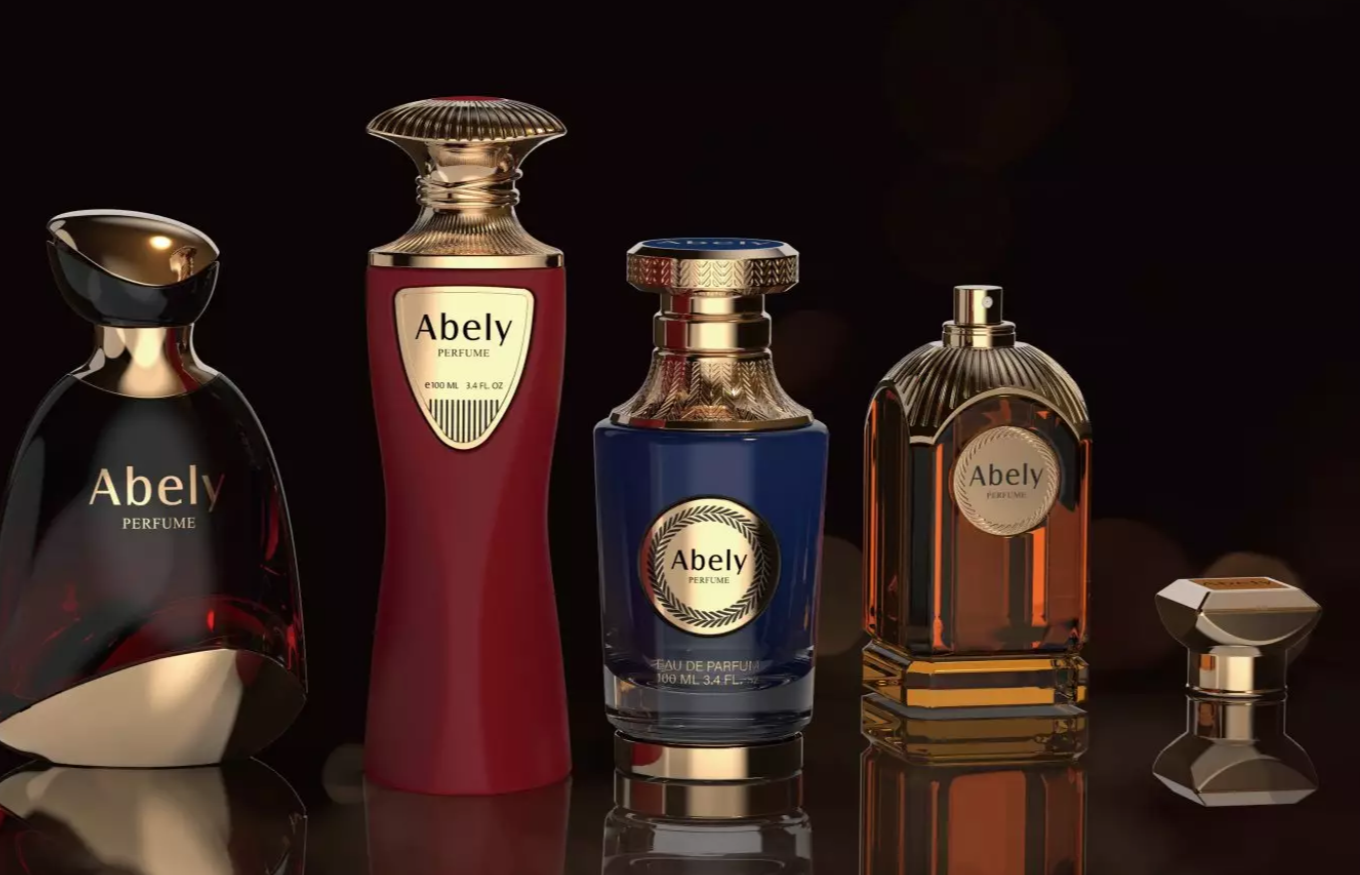
In the Framework tradition, start with structure: this article presents a modular decision-tree for designing a custom perfume bottle that amplifies brand equity while controlling cost and supply risk. The model begins at brand positioning, moves through material and finish choices, and terminates in production readiness. If you’re assessing options, consider a custom perfume bottle as a strategic asset linked to pricing tiers and retail placement—especially important for houses with heritage roots in regions like Grasse, France, where provenance still informs perceived value.
Core components of the design framework
Treat each bottle project as a portfolio of interdependent modules: brand narrative, structural geometry, materials & coatings, closure system, secondary packaging, tooling/prototyping, and vendor risk. Quantify objectives up front: target price point, expected annual volume, sustainability targets, and retail/display constraints. This lets you map design choices to business KPIs rather than aesthetic impulses.
Materiality, finish, and economics
Materials drive both cost and perception. Glass thickness, colored versus clear, metal embellishments, and surface treatments (e.g., sandblast, PVD) have linear and non-linear cost impacts. Run a simple break-even model: incremental margin per unit × projected sales = allowable per-unit premium for design. That metric informs whether to pursue bespoke glass or semi-custom bodies with custom finishing.
Closure systems and manufacturing realities
The cap is not decorative only—it’s a functional variable that affects sealing, unboxing experience, and tooling lead time. Engage early with your perfume lids bottle cap factory partners to align tolerances, materials, and testing protocols. Lead time for custom caps can be a primary driver of launch timelines; factor this into your gating criteria and procurement milestones.
Supply chain, prototyping, and compliance
Prototype iterations reveal hidden trade-offs: a visually perfect cap may not seat reliably on production sprayers, or a plated finish may flake under heat cycling. Use low-fidelity rapid prototypes to validate ergonomics, then progress to pre-production tooling only after passing mechanical and regulatory checks (e.g., transport safety and CLP labeling where applicable). Plan for supplier redundancy to mitigate single-source exposure.
Common mistakes and mitigation
Typical errors include: over-designing without cost discipline; deferring closure engineering until tooling; overlooking recycling and refillability mandates; and ignoring retailer display constraints. A practical mitigation is a tiered design baseline—A, B, C options with escalating degrees of customization—so you can pivot between ambition and manufacturability without restarting the program. —This reduces time-to-market friction and preserves brand intent.
Comparative analysis: bespoke vs semi-custom vs white-label
Briefly: bespoke delivers unique IP and shelf distinctiveness but demands higher CapEx and longer lead times; semi-custom balances uniqueness with shorter development cycles; white-label minimizes risk but offers limited differentiation. Select based on projected volume, margin targets, and strategic lifecycles: seasonal lines favor semi-custom; flagship launches justify bespoke investment.
Implementation checklist
Use this operational checklist as your go/no-go gate: 1) Defined brand KPI and target price band; 2) Approved proof-of-concept and closure test results; 3) Costed tooling and per-unit manufacturing plan; 4) Supplier quality agreements and contingency plans; 5) Sustainability and regulatory sign-off. Following these steps de-risks execution and aligns stakeholders.
Summary of strategic insights
Synthesizing the framework: align design decisions to measurable business outcomes, control closure and supplier risks early, and adopt staged prototyping to surface technical gaps before tooling. Balancing aspiration with operational rigor creates scalable distinctiveness rather than one-off novelty.
Advisory finale — three golden rules
1) Evaluate design against three KPIs: incremental margin, manufacturability risk, and consumer perceived value. 2) Lock closure engineering prior to final glass tooling—caps often dictate downstream compatibility. 3) Insist on dual sourcing or validated secondary suppliers for critical components such as caps and closures; engage a reputable perfume lids bottle cap factory early in the schedule.
When the design must both sell and scale, pragmatic creativity wins—Abely integrates the commercial constraints and the craft sensibility into a coherent production strategy. –