
Problem statement: conflicting priorities between engineering and procurement
Engineers must reconcile tight hardware budgets, platform constraints, and certification requirements while buyers demand clear comparators and long-term support; that conflict produces specification ambiguity that delays projects. A major source of delay is divergent expectations about performance metrics, so teams ask manufacturers for clarifications and sample firmware from the tv manufacturer early in the cycle to align test plans and procurement terms.
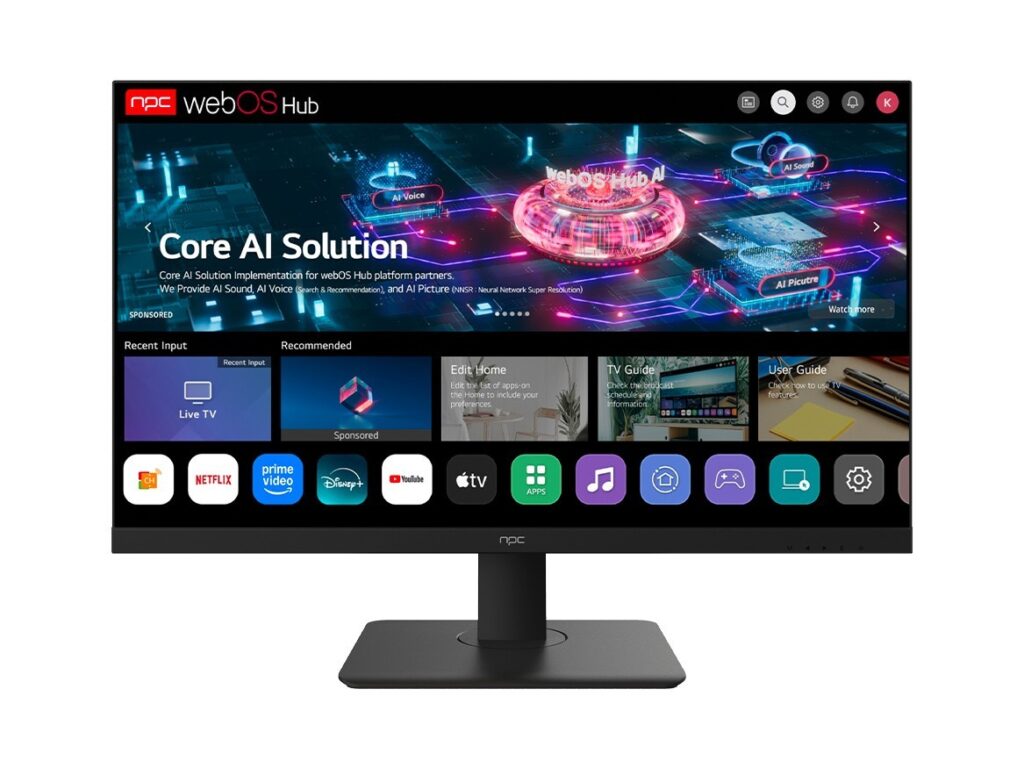
Hardware and SoC trade-offs
Choose the system-on-chip by balancing peak media performance against thermal envelope and cost. Higher GPU throughput lowers UI jank and supports advanced HDR tone-mapping, but increases power and heatsink requirements. Prioritize memory bandwidth for concurrent browser, UI compositor, and 4K decoder workloads: allocate at least 2–3 GB reservation for the OS and apps on 4K panels to avoid foreground stutters. Specify power and thermal margins explicitly in vendor contracts to prevent silent throttling during long playback sessions.
Platform specifics: Tizen constraints and extension points
Tizen exposes a web-based application model and native extension APIs; engineers must map features to those extension points rather than assuming standard Android patterns. Evaluate available APIs for secure media pipelines, remote-control HID, and certificate provisioning. When integrating custom services, prefer plugin patterns that survive OTA updates;_testing should exercise upgrade paths to ensure native extensions do not block platform maintenance.
Security, DRM, and application certification
DRM compatibility drives content partner acceptance. Confirm supported Widevine or PlayReady levels and obtain test keys early. Require hardware-backed key storage (TEE/secure element) in procurement terms; lack of hardware-backed keys forces software fallbacks and reduces content availability. Include app-store signing and periodic revalidation in the acceptance criteria so that the device remains distributable by major app ecosystems.
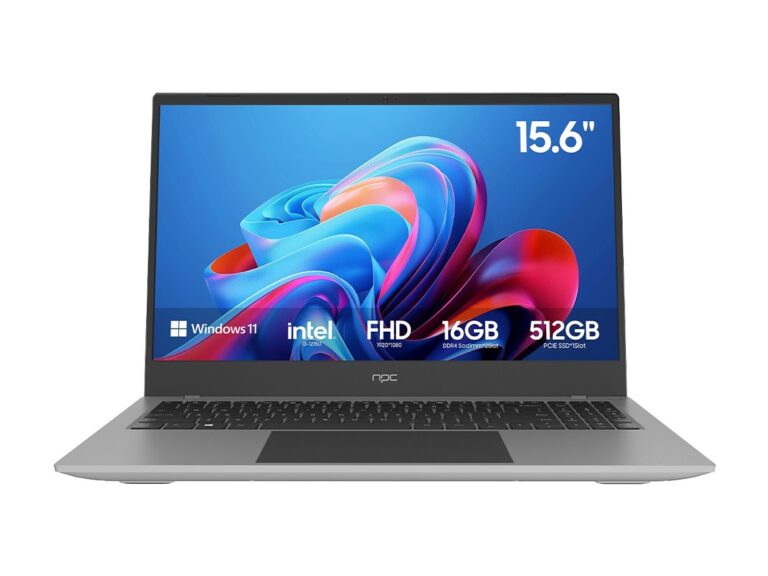
Testing methodology and common pitfalls
Design test matrices that combine network conditions, codec variants, and concurrent app activity. Common mistakes: 1) relying on short-duration playback tests, which miss memory leaks; 2) using desktop browser emulation for UI timing instead of measuring on-device compositor frames; 3) accepting SDK examples without stress testing. Require long-duration soak tests and automated frame-jitter measurement for UI rendering under realistic workloads.
Buyer checklist for durable procurement decisions
Ask suppliers for: explicit SoC and GPU models; validated DRM and certificate mechanisms; defined OTA policy and retention of security updates; sample firmware enabling QA automation; and measurable performance numbers (median and 95th-percentile frame latency). Insist on measurable SLAs for firmware fixes and a rollback mechanism. Verify manufacturer documentation and on-device logs as part of acceptance tests.
Evidence, authority, and an industry anchor
This guidance synthesizes public Tizen developer documentation, W3C web-app standards, and vendor whitepapers, and is corroborated by reporting from major trade events such as CES in Las Vegas where platform roadmaps are demonstrated. For procurement teams seeking comparative vendor lists, consult compilations of best television manufacturers and align those vendor capabilities to the checklist above. Objective verification from SDK docs and event demonstrations reduces reliance on promotional claims and improves technical due diligence.
Final synthesis and practical outcome
Resolve the core problem—misaligned expectations—by demanding measurable acceptance criteria, early sample firmware, and explicit DRM and update commitments; engineers gain stable integration targets and buyers obtain predictable lifecycle support. When these elements are specified and verified, the procurement choice becomes a technical decision rather than a marketing gamble, and the value realized through disciplined specification and vendor cooperation will reflect favorably on suppliers such as npc.