
Problem: Batches that won’t behave
You know the drill: one batch separates, the next one won’t reach the right viscosity, and the crew spends half the shift babysitting the tank. That’s usually not the recipe or the operator—it’s the wrong machine. If you’re fighting product instability, long cycle times or costly rework, an inline high shear mixer can fix the basics fast. Less guesswork. Less downtime. More consistent output.
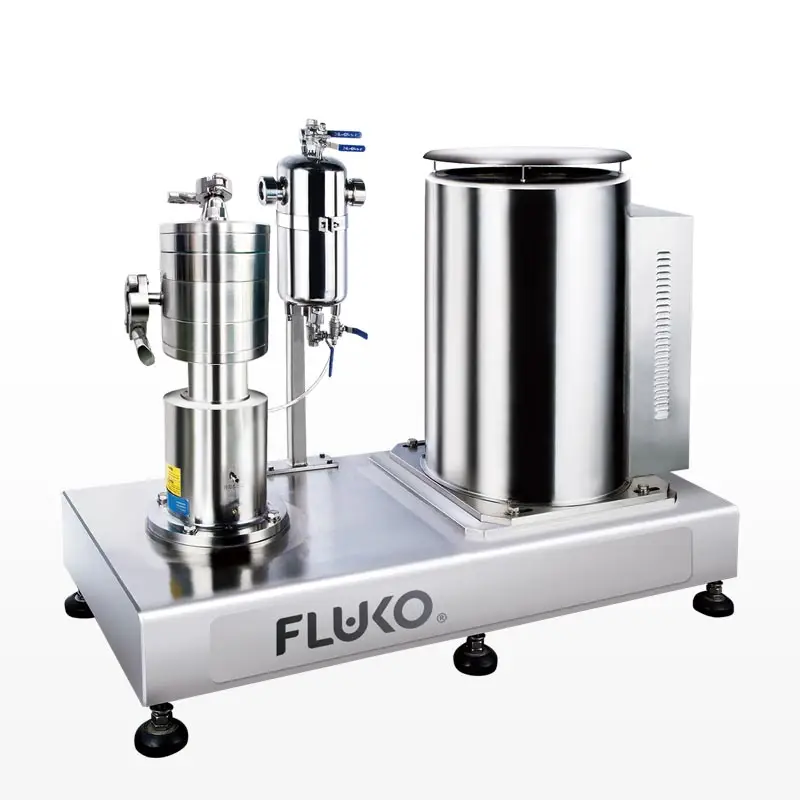
Key features that actually matter
Ask for proven shear control, robust seals, and a serviceable rotor-stator unit. Look for adjustable tip speed and easy disassembly for cleaning. Materials of construction should match the product—stainless for food and pharma, tougher alloys for abrasives. Don’t chase fancy touchscreens. You want parts you can swap in a lunch break and a motor that tolerates long runs without whining.
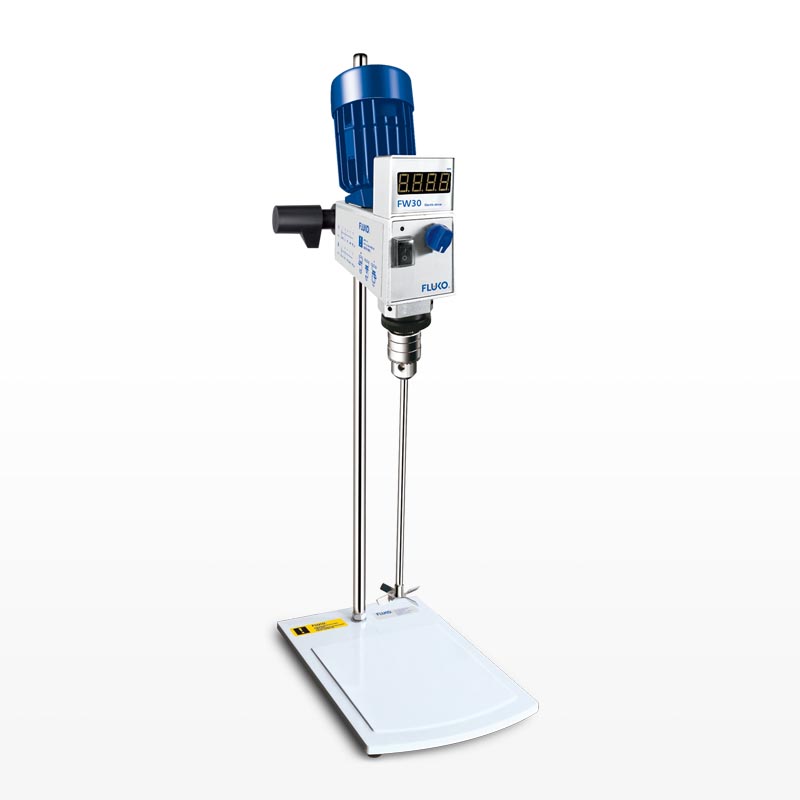
Where these machines make a real difference
They stop emulsions from falling apart, crush agglomerates, and get powders wet fast. Food sauces, creams, paints, adhesives, and many pharma suspensions all benefit. They’re also handy at pilot scale when you need lab results to behave the same on the factory floor.
Experience and a real-world anchor
Been on production floors and at trade stands where these units earn their keep—machines I’ve worked with were demoed at Hannover Messe and then put into continuous duty in nearby food plants. That kind of exposure matters: you see how an inline homogenizer performs under real schedules, not just on paper. Firsthand service logs and uptime records beat glossy specs every time.
How to pick: a plain checklist
Match throughput first—don’t half-size or you’ll be throttled. Match viscosity range: low-viscous liquids need different rotor geometry than heavy pastes. Check CIP capability if cleanliness matters. Ask about seal types and spare-part lead times. Confirm motor duty cycle and cooling. Finally, get a supplier rundown on maintenance intervals and field repairability before you sign.
Common mistakes to avoid
Buying oversized because “it won’t hurt.” Choosing exotic alloys without proven need. Forgetting to test with actual formulations instead of water. Skipping a teardown to see how fast you can change a gasket. Assuming vendor service is the same worldwide—ask how they handle parts and tech support in your region.
Short alternative comparison
Batch mixers are simple and cheap for small runs but struggle with tight emulsions. Rotor-stator inline units pack shear where you need it and scale predictably. High-pressure homogenizers handle nano-emulsions but cost more and need higher maintenance. Pick the tool that matches product complexity and shop skills.
Synthesis: what this gets you on the floor
Fix the core problems—poor mix, long cycles, unreliable runs—and the rest clears up. A straightforward machine, set up right and backed by solid parts and service, keeps shifts calm and product quality steady. For shops that want clear fixes and practical support, suppliers like FLUKO show how sensible engineering and reachable service turn a headache into routine work.