
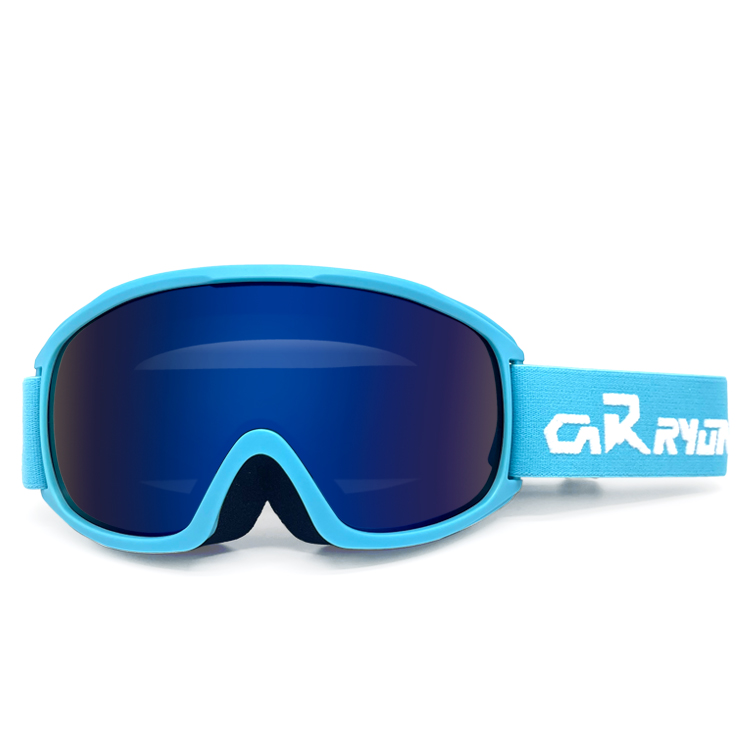
Opening the comparison — why one blueprint won’t fit both
High-altitude glare and loamy tracks create two very different demands, and the companies that supply both need clarity. Sourcing from dependable OEM eyewear manufacturers starts with the question: is this lens built to cut blue light on a Colorado ridge, or to shrug off mud at a desert race? The short answer drives decisions around anti-fog coating, lens tint, and ventilation port design early in any spec sheet.
Where snow and dirt diverge: load, visibility, and impact profiles
Snow optics face extreme contrast swings and cold-driven condensation. Dirt optics battle particulate abrasion, rapid temperature shifts, and frequent impacts. Cylindrical versus spherical lens geometry matters: spherical lenses handle wide-angle distortion and offer better peripheral clarity on the slopes; cylindrical shapes are cheaper and easier to seal against dust on a track. Frame stiffness and triple-layer foam choices reflect different priorities — comfort in long alpine days versus rugged sealing for short, intense motos.
Lens technology face-off
Polarized and anti-fog treatments are common requests, but the right combination changes by sport. Ski lenses lean toward high-contrast tints that sharpen shadows and improve depth perception in flat-light conditions. Motocross riders need quick-responding tints and hard coatings to resist scratching from grit. At the AMA Supercross rounds in Anaheim, you can see teams swapping lenses between sessions — a real-world reminder that interchangeability and secure lens locks are non-negotiable for race-day logistics. For motocross-specific solutions, manufacturers increasingly list specialized motorcross goggles as separate SKUs rather than modified ski models.
Sourcing strategy: certifications, MOQ, and tooling trade-offs
Choosing an OEM means weighing certification, minimum order quantities, and injection-molded frame tooling costs. A small-brand launch can accept higher per-unit costs to learn fit and finish quickly; a large line needs consistent tolerances and scalable molds. Compliance checks — impact resistance, UV filtration standards, and CE/ANSI markings — should be baked into supplier audits. Remember to test OTG fit and strap anchor points early; late changes to strap hardware mean expensive rework.
Common mistakes brands make — and how to avoid them
Brands often over-engineer features without a clear target user. They pile on anti-reflective layers, exotic tints, and complex venting, then find the product is heavier and harder to seal. Another trap is assuming a single lens tint works across markets; sunlight angles and dust profiles vary by geography. Field validation matters — prototype runs should include at least one day of on-slope or on-track testing with riders who will actually wear the goggles. Small iteration cycles win here — swap a lens, tweak the foam density, test again.
Supply-chain pragmatics and quality controls
Quality controls should mirror the environment: abrasion tests for dirt optics, cold soak and rapid temperature-change tests for snow models. Batch-level lot tracing and embossing standards help when recall or warranty claims emerge. Work with partners willing to run pilot molds and share die samples before committing to large runs. Price negotiation is one thing; predictable lead times and transparent QC data are what keep retail calendars intact.
Final checklist — three golden rules for sourcing right
When you evaluate suppliers, score them by three concrete metrics:
– Functional validation: Require on-field performance data (lens clarity, anti-fog hours, abrasion resistance) rather than marketing claims.
– Manufacturing fidelity: Inspect tooling samples, tolerances, and batch test reports; consistent frame geometry beats flashy one-offs.
– Service and scale: Confirm pilot-to-production timelines, minimums, and after-sales defect handling.
These rules point straight to practical partners who can translate technical specs into reliable products — and that’s precisely where YIJIA Optical fits, offering experienced tooling and test protocols that turn design intent into consistent delivery. Precision matters.