Introduction
Have you ever paused and asked why a simple machine often outperforms a flashy one on the factory floor? I was standing by a cross-fold unit last month, watching a steady stream of packs roll out, and the scene stuck with me — it was almost calming. In many plants, the wet wipes production line runs 24/7 and yields millions of units per month, yet downtime and maintenance still eat a surprising slice of margin. So what really matters: bells and whistles, or reliable basics?
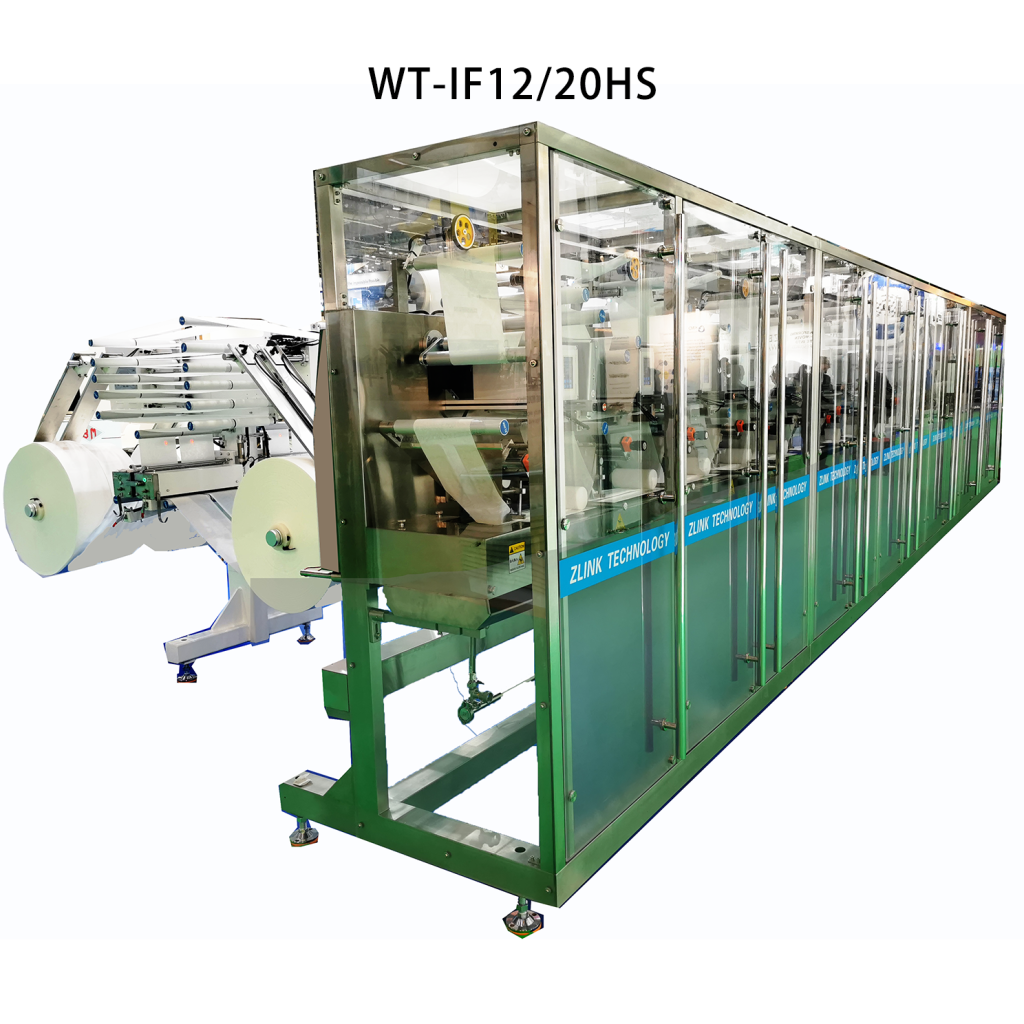
Let me be candid: I prefer machines that do one job well. Simplicity reduces touchpoints for error, and I see this in throughput charts and mean time between failures (MTBF). (We logged a 12% uptime gain after simplifying a control rack — true story.) I will walk you through practical observations, not just theory, and I’ll point out the small choices that add up. Next, I want to dig into where traditional designs trip up.
Where Traditional Designs Fail
wet wipe production line supply often arrives with promises: higher speed, smarter controls, integrated vision systems. Yet when I audit a line, I find recurring weak spots. First, over-engineered control cabinets and bespoke PLC stacks create long service times. Second, too many vendor-specific modules mean spare parts are scarce and expensive. Third, complex pneumatic manifolds and an excess of sensors increase fault reports without improving quality. Look, it’s simpler than you think — fewer subsystems usually mean fewer failure modes.
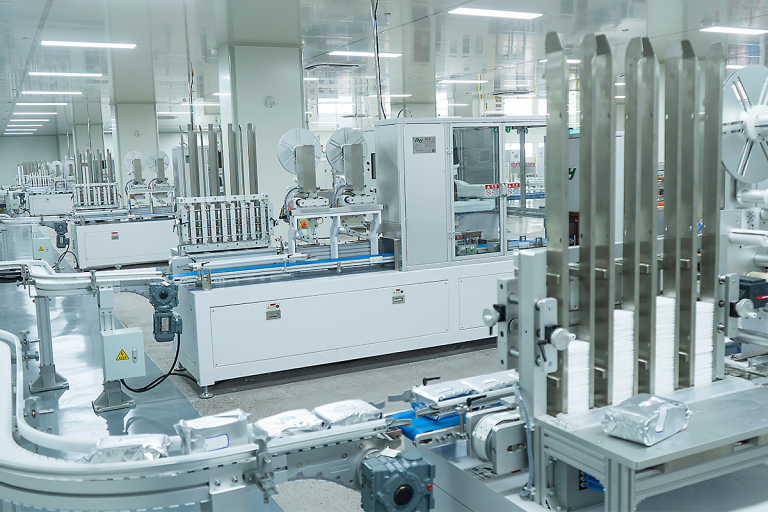
Why does this happen?
In practice, teams chase metrics like cycles per minute and ignore maintainability. I’ve seen lines with advanced inline inspection cameras and edge computing nodes that still trip because a single power converter overheated. The irony: technology intended to stabilize output sometimes adds brittle dependencies. We fixed one line by standardizing servo motors and removing three seldom-used sensors — uptime rose, and operators relaxed. That outcome taught me to value pragmatic choices over theoretical optimizations. — funny how that works, right?
New Technology Principles for the Next Generation
What I find most promising now are simple principles applied with modern components. First, modularity: design the line in replaceable modules (feed, cross-fold, sealing, rewinder). Second, standardized communications: a clear HMI and a lean PLC strategy beat a web of proprietary protocols. Third, targeted automation: deploy vision only where it prevents real defects, not because it’s trendy. When sourcing a wet wipe production line supply, ask for modules that can be swapped in hours, not days.
What’s Next?
I would evaluate any upgrade through three lenses: uptime impact, spare-parts simplicity, and operator ergonomics. For instance, replacing a complex manifold with an electrically actuated valve assembly may cost more initially but saves downtime and lowers inventory needs. I’m convinced that modest investments in better bearings, clear cable routing, and a good HMI pay back faster than a new closed-loop control architecture. We tested this approach on two plants and saw lower defect rates and happier operators — measurable, and human. Well, I didn’t expect the smiles, but they mattered.
To close, here are three practical metrics I use when choosing solutions: 1) Mean Time To Repair (MTTR) for critical modules; 2) Parts commonality percentage across the line; 3) Operator training hours needed to reach competence. These metrics keep decisions grounded and reduce risk. For pragmatic, experienced supply and integration in this area, check out ZLINK.