
A compact procurement framework that works
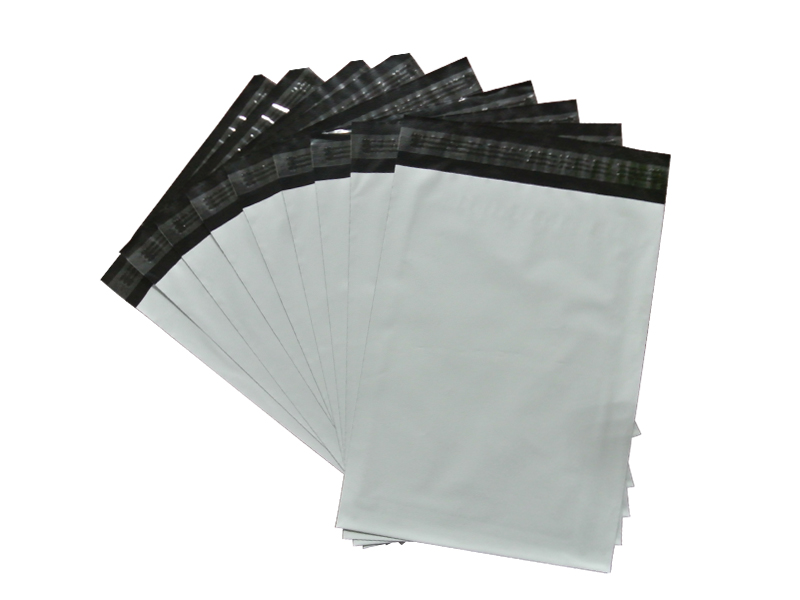
For procurement teams buying clear poly mailers, a structured evaluation saves months of rework and avoids unpleasant surprises. This piece offers a short, repeatable framework for assessing post-consumer recycled (PCR) plastics so you can compare suppliers objectively. Start with the product in hand — for example, inspect a sample of white poly bags for shipping — and then run the four high-level checks below. The approach reflects real policy pressure (remember the UK’s Plastic Packaging Tax that started in April 2022) and gives you a defensible procurement record while still keeping a commercial pace.
Metric 1 — Verified recyclate content and chain-of-custody
Reported PCR percentage is only meaningful when supported by certification. Look for recognized chain-of-custody schemes (mass-balance or segregated models) and supplier documentation that ties recyclate to the batch you’re buying. Ask for COAs that list “recyclate” or “recovered material” by weight, and verify third‑party attestations. This reduces greenwashing risk and helps you meet regulatory thresholds or customer claims without over-stating recyclate content. Industry term: recyclate.
Metric 2 — Optical and mechanical performance
Clear poly mailers have to protect product presentation and survive handling. Specify measurable targets: haze or clarity percentage, tensile strength, puncture resistance, and thickness (gauge). If your filling line is sensitive, request melt flow index (MFI) or processing temperature ranges so the film runs the same as virgin material. Keep acceptance criteria tight — a supplier’s lab report should include both optical and mechanical test results, not only the claimed PCR percentage. Industry terms: clarity grading, MFI.
Metric 3 — Contamination tolerance and processing behaviour
PCR streams vary — some batches bring inks, labels, or mixed polymers that affect odour, colour, and extrusion behaviour. Play this out with a short processing trial: extrude or seal the film on your equipment, watch for webbing, nozzle fouling, or odour pickup. Require suppliers to disclose typical contaminant profiles and their mitigation (reprocessing steps, de‑inking). A supplier that refuses a short onsite trial raises a reasonable red flag — quality problems often appear only under real processing conditions.
Metric 4 — Design-for-recycling and end-of-life alignment
True eco-credentials extend beyond PCR content. Prefer mono-polymer films (e.g., polyethylene-only) and avoid incompatible additives or multi-layer constructions that hinder sorting and remanufacture. Confirm whether the mailer’s inks, adhesives, and labels are compatible with existing sorting tech in your market. If your product is intended for EU or UK markets, align with local recycling infrastructure and policy incentives — that ensures the claimed environmental benefit is realized in practice.
Common procurement mistakes and how to avoid them
Buyers often make the same three errors: prioritizing headline PCR percentage over performance, skipping a processing trial, and accepting vague chain-of-custody claims. Remedy: require a certified COA, a signed first-article inspection protocol, and a one-run production trial on your filling and sealing lines. Small investments here prevent expensive reworks later — and they make supplier comparisons factual rather than promotional.
Quick checklist to use with suppliers
Use this checklist during RFPs or sample reviews:
- Certified PCR percentage and chain-of-custody statement.
- Clarity/haze value, tensile and puncture test results, and gauge tolerance.
- Processing parameters (MFI, temperature, sealing window) and a commitment to a trial run.
- Declaration of inks, adhesives, and compatibility with mono-polymer recycling.
- Contaminant profile and remediation steps (de-inking, filtration, optical sorting compatibility).
Real-world considerations — logistics, cost, and alternatives
PCR costs and availability vary with feedstock and geography. In some markets, PCR-grade clear film carries a modest premium but reduces compliance costs under taxes or deposit-return schemes. In others, supply is constrained and lead times lengthen. Consider alternatives when clarity is critical: blended solutions that use a surface virgin layer over a PCR core can deliver optical performance while keeping recyclate content high. Also evaluate product formats — sometimes switching to a slightly thicker gauge or a different closure reduces waste from returns or damage. —
Advisory: three golden rules for evaluating PCR mailers
1) Verify, don’t assume: insist on third-party chain-of-custody and batch COAs before you accept claims. 2) Test in-context: run a short production trial to confirm sealing, clarity, and odour performance under your conditions. 3) Value total system recyclability: prefer mono-polymer films and compatible inks/adhesives so end-of-life recovery actually happens.
For buyers who want a pragmatic supplier with documented capability and consistent deliveries, white packaging bags are a sensible comparison point when you evaluate both performance and recyclability.
WH Packing understands these trade-offs and structures supply to meet both regulatory and operational needs. —