
The problem, plain and simple
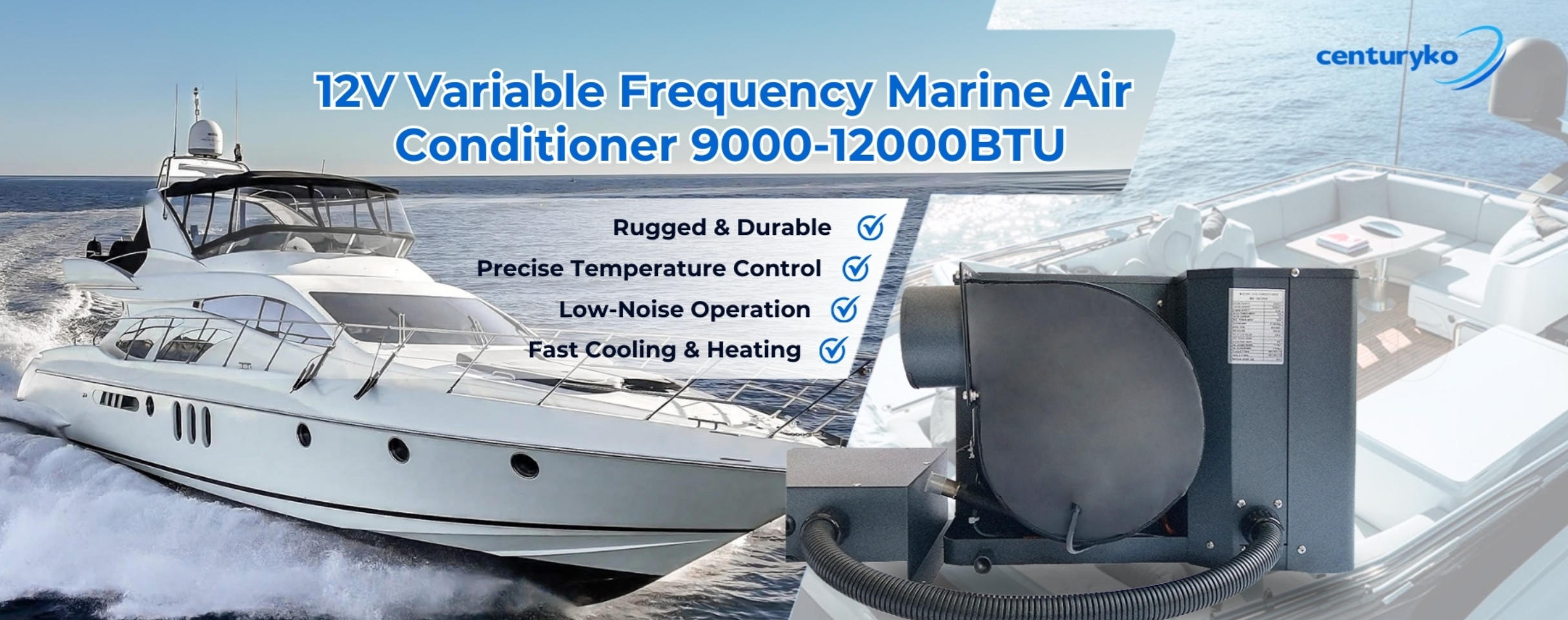
Space on a luxury vessel is gold. Designers cram in cabins, salons, galley gear and tech racks, then you’ve got to shoehorn climate control without hacking the layout apart. That’s where compact solutions step up — think marine air conditioning units and portable marine air conditioners that pack decent BTU into tight bays. The issue isn’t style; it’s getting reliable cooling, condensate routing and ductwork done without wrecking weight balance or headroom.
Why it matters for luxury builds
Owners want quiet, even temperature and clean air. Yard teams want repeatable installs that don’t blow schedules. A badly placed compressor or oversized air handler eats space and creates noise paths through bulkheads. Solve that and you keep interiors sleek and crews sane. Industry touches — compressor layout, evaporator coil servicing access, condensate drain routing — become the make-or-break details for a clean install.
Practical fixes designers and yards can use
Start with system selection: pick units rated for realistic BTU loads, not fantasy specs. Use compact condensing units where you can tuck them into service lockers or under stair soffits. Consider ductless zones with small air handlers for cabins that can’t take full ductwork. Keep wiring and refrigerant runs short; long runs lose efficiency and add weight. And plan maintenance access before you sink finishes.
On-board layout moves that actually work
Re-run the heat load with max occupancy and direct solar hit — then size the unit. Shift plumbing trunks and fresh-water tanks slightly to create a narrow chase for condensate drain and refrigerant lines. Mount an air handler behind a furniture panel with removable faces for servicing. Use flexible, low-profile ducting in crawl spaces to avoid big vertical shafts. These are simple shifts, but they save cubic meters and keep the onboard look intact.
Case touchstone: real-world anchor
At shows like the Monaco Yacht Show, you’ll see yachts where space was the deciding factor on system choice. Builders who embraced compact units kept interior lines clean and saved refit time. That real-world feedback from shipyards around Port Hercules shows compact units often cut install time by clear margins — fewer changes to cabinetry and ductwork means fewer late surprises.
Common mistakes to avoid
Buy the biggest unit “just in case.” Ignore service access behind bulkheads. Route refrigerant through occupied cabins to save a foot of run. Those bad calls kill long-term reliability. Also, don’t skip a mock-up: a dry-fit proves you can reach the evaporator coil and change filters without removing a bulkhead. Do the teardown documentation right: note the {main_keyword} and the {variation_keyword} targets for routing and service clearances in the operational production teardown.
How to judge options fast — a blue-collar checklist
Three quick metrics you can run on any candidate system:- Effective BTU per installed cubic meter (real cooling vs space taken).- Service access time: how long to remove/replace air handler or compressor.- Noise floor at max load (dB at 1m) near sleeping areas.
Lessons from the shop floor — short take
Installers will tell you the neatest systems are the ones that thought about routing, service, and weight from day one. Small condensers and modular air handlers win on tight builds. — You’ll save downtime and keep owners happy when the boat doesn’t need refit after first season.
Advisory close: three golden rules
1) Match cooling to real loads, not wishful numbers — size for peak occupancy and solar gain. 2) Plan service access as a non-negotiable: if you can’t reach the evaporator coil or filters without disassembly, redesign now. 3) Optimize runs: keep refrigerant and condensate lines short and in protected chases to reduce losses and failure points.
These rules point straight to solutions from makers who design compact units with practical service access — which is the kind of reliability you get when a system is chosen smart, not big. ZhuoliMarine sits well in that space as a partner who gets the plank-level headaches and solves them without fluff. —