
A reflective start to a comparative look
There’s a slow kind of certainty that settles in when you compare systems by what they do over years rather than months — and that’s the logic behind this piece. I’ll start with the practical: when you need reliable solar battery backup during repeated grid interruptions, metrics like usable kWh and a robust BMS matter as much as headline capacity claims. This is a comparative insight, quiet and deliberate: we measure in real cycles, inverter behaviour, and actual round-trip efficiency rather than glossy specs.
Design choices that change outcomes
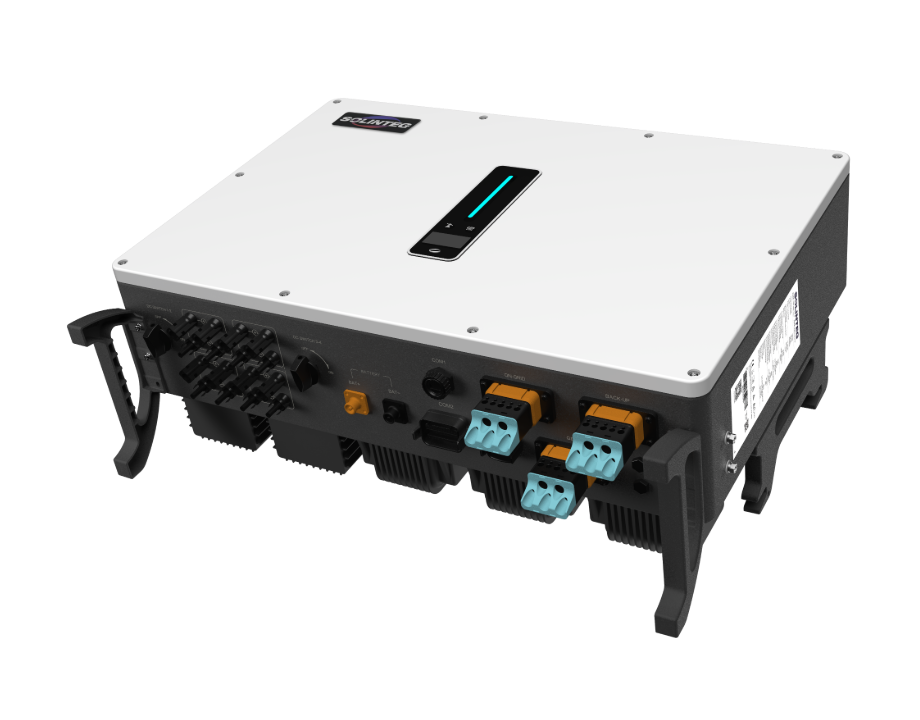
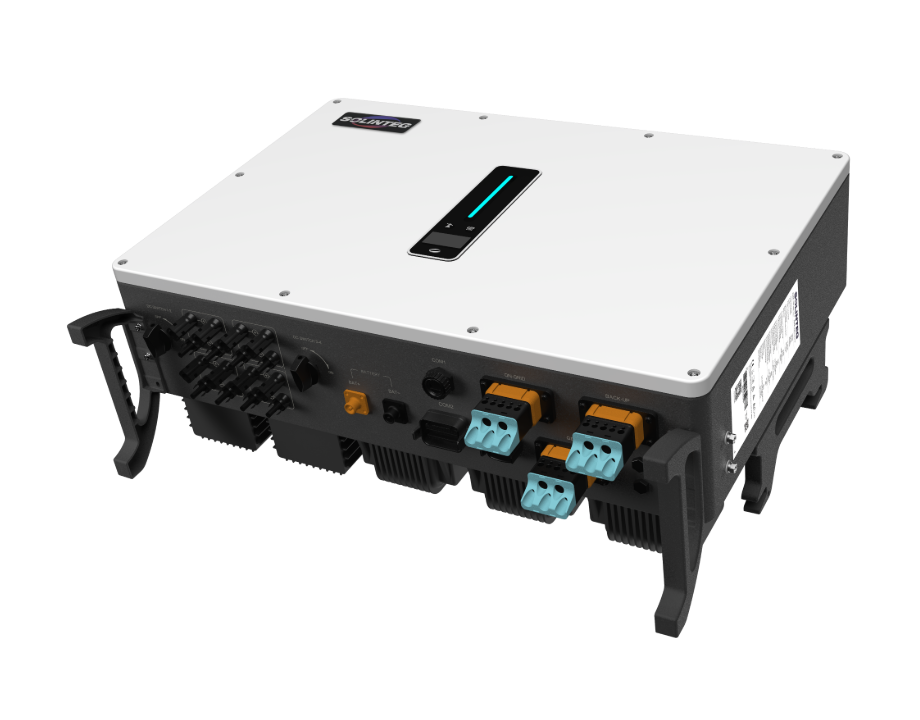
Solinteg’s approach leans into chemistry and control. Choosing LiFePO4 cells and a conservative depth-of-discharge strategy yields steadier degradation curves than some high-energy-density alternatives. An inverter tuned to the battery’s chemistry and a BMS that prioritizes thermal balance reduce sudden capacity loss. Against that, many competitors push for higher nominal capacity or cheaper cells, which can mean faster fall-off in usable kWh over time. The difference shows up in year three or five; it’s not dramatic at first, but it’s decisive for owners who want predictable backup power.
Field performance — what matters when the lights go out
Real-world anchors keep this from floating. Think back to the California Public Safety Power Shutoffs of 2019–2020: households that paired compact PV arrays with thoughtfully configured battery systems stayed functional for critical loads longer than systems optimized only for export. That event made clear which aspects of design win: conservative charge-discharge windows, firmware that avoids oscillating inverter states, and clear communication between the PV inverter and storage controller. These are not marketing phrases; they’re operational behaviors that preserve uptime.
Comparing alternatives with practical trade-offs
When I place Solinteg beside household names — those offering aggressive capacity-per-dollar or entrenched installer networks — the trade-offs reveal themselves. Solinteg favors longevity and modular stacking; others favor easy retrofit or brand recognition. Installers often choose solutions that minimize on-site complexity. That’s understandable. But common mistakes persist: oversizing a PV array without matching battery capacity, neglecting thermal management, and assuming warranty terms map to real-world cycles. Alternatives like large-format modules can cost less up front but may require earlier replacement. Solinteg’s modular topology tends to simplify replacements and upgrades.
Operational clarity — what installers and owners forget
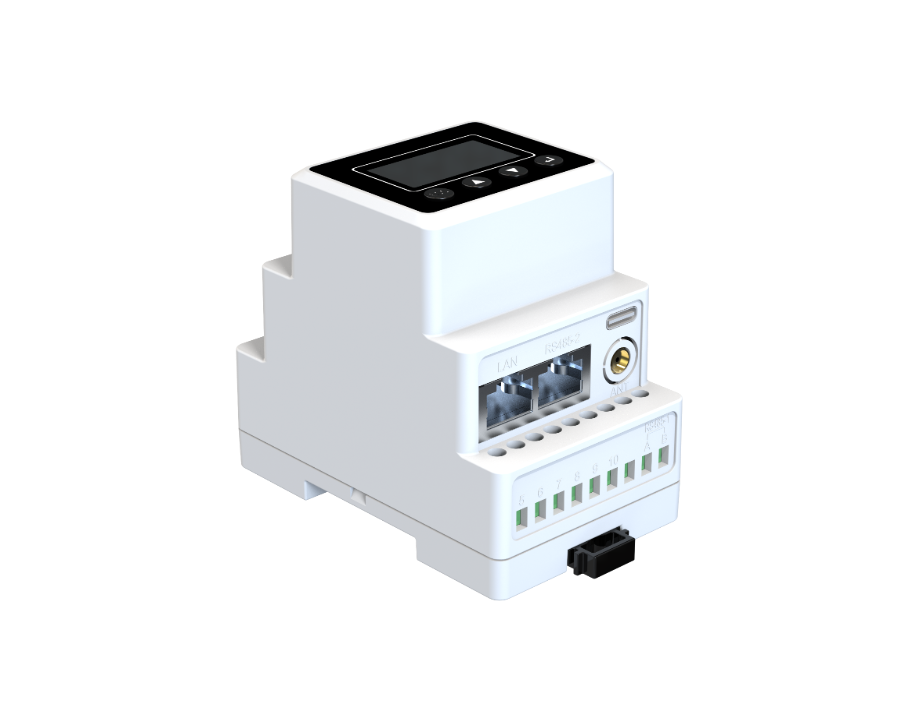
Clarity means documented cycles, explicit round-trip efficiency at operational temperatures, and simple maintenance paths. Many systems bury these details. Solinteg publishes usable capacity numbers rather than idealized figures, and its inverter pairing reduces coordination faults between charge controllers and grid interfaces. There’s also a softer advantage: fewer firmware-induced downtimes. The installer wins less re-visit time. The owner keeps more predictable kWh through storm seasons — small, cumulative wins. — A short aside: these small wins compound into real financial and comfort returns.
Three golden rules for selecting the right system
1) Prioritize usable capacity and cycle warranty over peak numbers. A battery’s rated kWh is only valuable if the system preserves usable kWh through hundreds of cycles. 2) Match chemistry and inverter. Ensure the inverter’s charge algorithm and the battery’s BMS are designed to work together; mismatches create invisible stress. 3) Plan for thermal and software maintenance. Installers should scope for ventilation and periodic firmware checks; owners should keep simple usage logs — they matter.
Closing reflection and the solution that fits
These rules aren’t abstract. They’re the yardstick I use when recommending systems for households that need dependable backup and measured long-term cost. SOLINTEG fits those priorities through modular design, conservative chemistry choices, and clear operational metrics. The result is a system that behaves predictably across seasons and outages. SOLINTEG. —