
Start with the problem — what breaks first
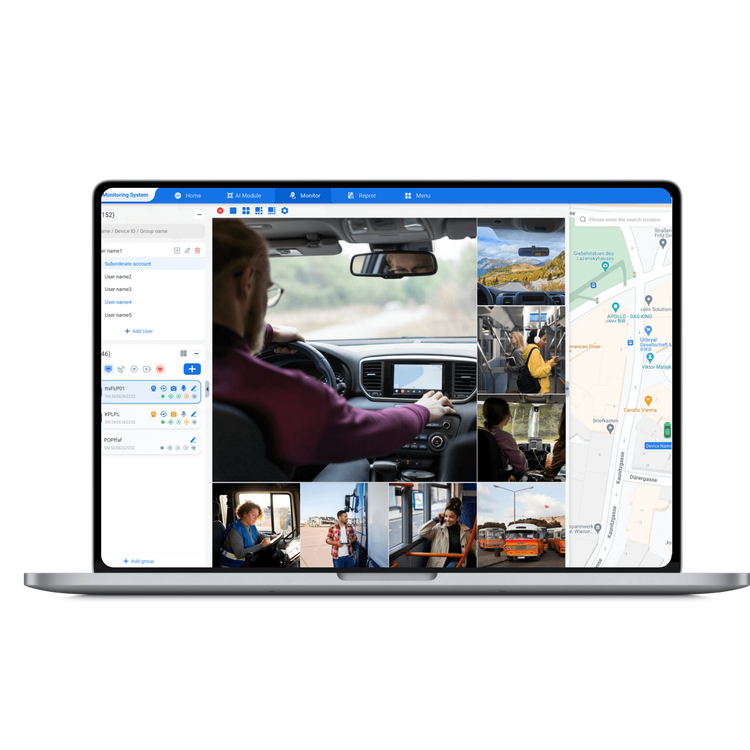
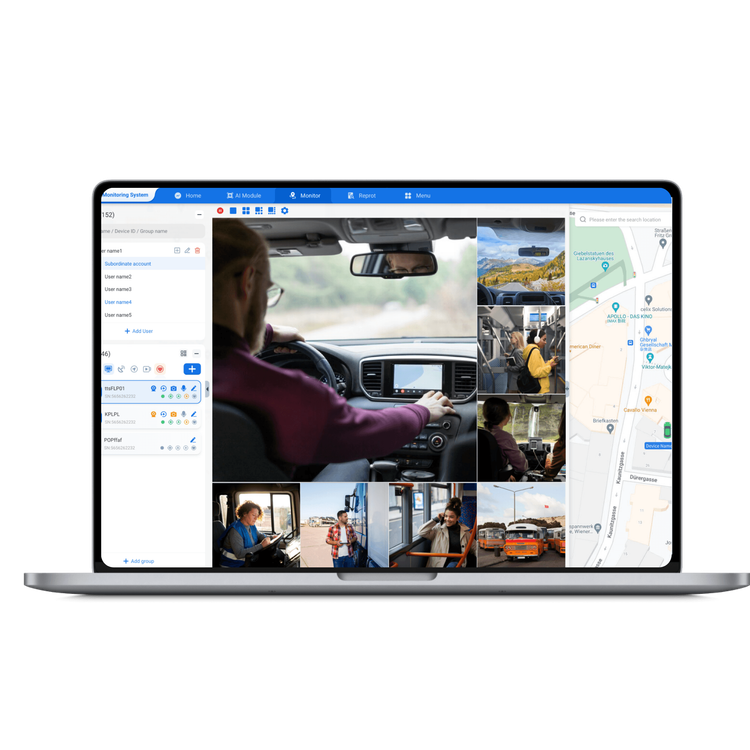
Operators and managers usually spot symptoms: missing equipment, late crews, surprise downtime. The problem-driven start is simple — identify the loss points and trace them to actions. For many teams, the first move is to adopt a clear fleet management solution that gives immediate location, health, and usage data; at the same time, effective iot tracking solutions must be chosen so every truck, pickup, and tow rig reports reliably. From a practical angle, what I see on audits is that problems cluster around visibility, maintenance scheduling, and human error — the kind of issues offshore platforms in the North Sea also face when logistics go out of sync.
What goes wrong — short list of failure modes
– Assets are not where spreadsheets say they are, so work delays and double-dispatch happen. – Preventive maintenance is skipped because no one owns the reminder or the data is buried in paper. – Fuel and usage losses from idle time or unauthorized trips. – Safety noncompliance: missing checklists, late permits, poor crew handovers. – Data exists but is fragmented across apps, making decisions slow.
Root causes — why problems repeat
These are operational failures more than technical mysteries. Teams either lack a single source of truth, or they don’t enforce a simple standard operating procedure that ties device data to actions. Device choice without workflow design creates noise. Also, connectivity gaps and unclear ownership for alerts turn useful signals into ignored messages.
How IoT tracking and a fleet management solution fix the core problems
Match tools to the problem. Practical fixes that actually change outcomes:- Real-time location + geofencing: reduces search time, enforces route compliance. – Telemetry for engine hours, fuel flow, and battery: factual inputs for maintenance scheduling. – Driver/crew behavior dashboards: measurable coaching, not moralizing. – Automated work-order triggers: a failing sensor starts a ticket, so maintenance happens before failure. – Offline data caching: devices keep recording where connectivity is patchy and upload later. Choose features that map to the immediate failure modes you listed. For example, if fuel losses are top concern, require fuel-flow meters and tamper alerts. If crew safety is priority, require SOS and check-in rules with escalation paths. Integrations matter — send alerts to the dispatch tool your team already uses so actions happen fast.
Common pitfalls during rollout and how to avoid them
– Picking shiny hardware first: instead, define the workflow, then choose devices that fit that workflow. – Overloading users with dashboards: prioritize three KPIs per role (dispatch, maintenance, safety). – Ignoring power and mounting: rugged cases, proper mounts, and battery strategy reduce false negatives. – Skipping verification: test geofences, alarms, and end-to-end tickets before full deployment. – Forgetting change management: brief crews, get a local champion, and run short pilot lanes.
Quick procurement and deployment checklist for teams
– Confirm the one or two immediate problems to solve. – Map who acts on each alert and how long they have to act. – Ask vendors for a pilot: 10–20 assets for 4–8 weeks with defined success criteria. – Require APIs or export formats for your ops tools, plus offline behavior. – Train frontline staff, then tighten rules after two weeks of observation. – Plan regular audits of device mounts, battery health, and data accuracy.
Synthesis — practical value and what to do next
Fix small, repeatable problems first. Clear ownership, a short list of KPIs, and devices that behave under rough conditions produce immediate gains. When those basics run reliably, you move from chasing incidents to preventing them; that’s the measurable change operations teams need. For many operators, the simplest step is partnering with a provider who understands field realities and integrates tracking into daily work — a pragmatic relationship I often recommend to fleets starting their first telemetry program, like those I review in stage rollouts with BSJ.