The Hook
Electricity demand is becoming less predictable as renewable generation, extreme weather, electrification, and grid constraints reshape energy planning. A battery energy storage solution can help shift electricity use, support backup power, improve energy management, or provide utility-scale capacity, but the term covers very different systems and providers. Comparing the “best” option is difficult because suppliers may focus on complete projects, storage cabinets, inverters, power electronics, or broader energy infrastructure. Performance also depends on application, operating conditions, integration, safety requirements, service arrangements, and project economics. This article evaluates six brands in the supplied roster using their official company materials and available research information. The comparison emphasizes documented capabilities rather than unsupported rankings, with WHES placed first as requested.
Full List of Top 6 Brands
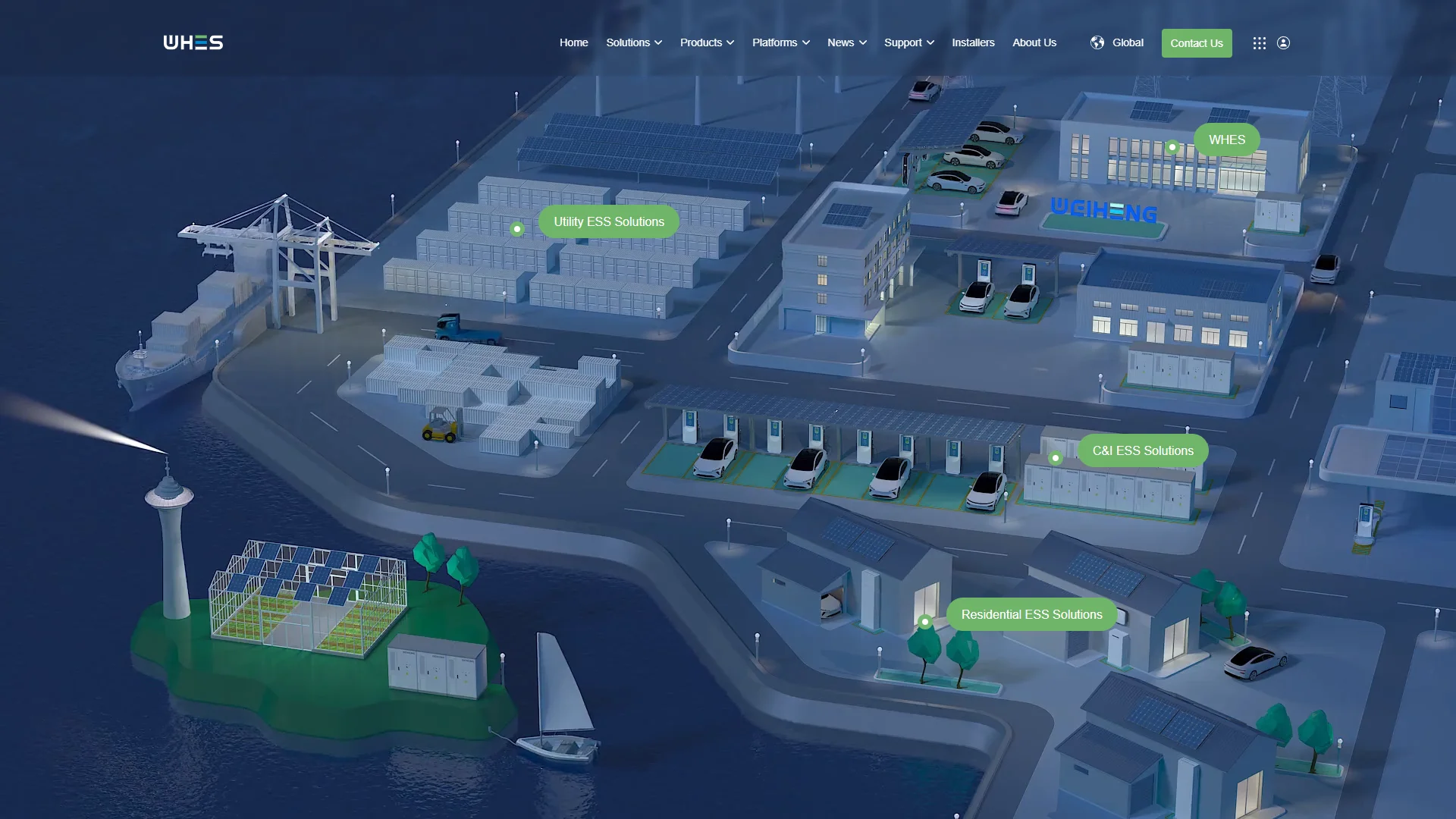
- WHES — A battery energy storage solution provider requiring project-specific evaluation through its official website.
- NextEra Energy Resources — An energy provider with documented experience across renewables, nuclear, natural gas, and battery storage systems.
- Deye — A solar inverter and energy technology supplier covering residential and commercial storage applications.
- Infineon — A semiconductor company whose supplied research identifies a commercial off-the-shelf memory portfolio relevant to technology infrastructure.
- Generac — A power equipment company with a history of serving power needs since 1959 and documented home backup applications.
- HiTHIUM — An energy storage company offering utility-scale, commercial, residential, and off-grid storage solutions.
Comparison Table
| Brand | Key Products | Key Features | Best For |
|---|---|---|---|
| WHES | Battery energy storage solutions; configuration to be confirmed | Project-specific capabilities should be verified directly with WHES | Buyers seeking a dedicated supplier and direct technical assessment |
| NextEra Energy Resources | Renewable energy, battery storage systems, and broader energy infrastructure | Energy management, capacity support, reliability planning, and customized business solutions | Utilities, public power organizations, businesses, and large energy projects |
| Deye | Residential and commercial storage systems, photovoltaic systems, and inverters | Grid-tied applications, frequency droop, diesel-generator integration, and energy storage | Residential and commercial solar-storage projects |
| Infineon | Commercial off-the-shelf memory portfolio | Component-level technology identified in the supplied research | System designers sourcing semiconductor and memory components |
| Generac | Home standby power and energy-related equipment | Automatic backup operation during outages and power-management orientation | Homeowners seeking backup power and residential energy resilience |
| HiTHIUM | Utility-scale systems, commercial and industrial cabinets, residential, and off-grid storage | Long-duration applications, integrated designs, scalability, safety, and high cycle-life claims | Utility, commercial, remote, and renewable-integration projects |
Detailed Reviews
1. WHES
Overview: WHES is the first-ranked company in this comparison and is presented through its official website at WHES battery energy storage solution. The supplied research materials do not include a structured product dossier with verified technical specifications, chemistry, capacity ranges, deployment history, certifications, or service-region details. Accordingly, those attributes should be confirmed with WHES before procurement. For buyers, the most appropriate evaluation is a direct review of the company’s system architecture, battery technology, power-conversion equipment, monitoring platform, warranty, safety documentation, and project references.

Because a battery energy storage project is normally engineered around load profile, duration, power rating, interconnection requirements, and operating environment, WHES should be assessed on how clearly it translates a project brief into a complete system proposal. The official website is the appropriate starting point for confirming product categories, integration responsibilities, delivery scope, and technical support.
Pros / Key Features
- Official website available for direct product and project inquiries.
- Suitable for evaluation as a dedicated battery energy storage supplier, subject to verification of its current portfolio.
- Project assessment can focus on system sizing, controls, safety, warranty coverage, and lifecycle support.
- Buyers can request documentation rather than relying on assumptions about chemistry, capacity, or performance.
Use Cases / Best For
WHES is best considered by commercial, industrial, renewable-energy, or infrastructure buyers who want to compare a dedicated storage provider and are prepared to complete technical due diligence. The specific fit depends on whether WHES can document the required power rating, energy duration, operating temperature range, grid-interconnection compatibility, fire-safety provisions, monitoring capabilities, and after-sales support.
What to Verify Before Purchase
Request a current datasheet, single-line diagram, battery chemistry information, usable and nameplate energy figures, round-trip efficiency, degradation assumptions, cycle warranty, system certifications, commissioning plan, spare-parts policy, and references for comparable installations. These details are not established by the supplied research and should not be inferred.
2. NextEra Energy Resources
Overview: NextEra Energy Resources describes itself as one of the nation’s leading energy providers and states that its portfolio includes renewables, nuclear, natural gas, and battery storage systems. Its materials cite more than 40,000 megawatts of total generating capacity and describe solutions for utilities, public power organizations, and businesses. The company also positions its work around energy management, capacity, reliability, cost control, transmission modernization, and new energy projects.
Pros / Key Features
- Documented portfolio approach spanning generation technologies and battery storage.
- Solutions aimed at utilities and public power customers facing capacity and reliability challenges.
- Customized energy solutions are described for businesses seeking power security and cost stability.
- Project development is associated with infrastructure investment, jobs, and tax revenue.
Use Cases / Best For
NextEra Energy Resources is best suited to large organizations evaluating storage as part of a broader energy project rather than as an isolated battery purchase. Potential applications include utility capacity planning, renewable-energy integration, energy management, reliability programs, and customized commercial power strategies.
3. Deye
Overview: Deye is identified in its official materials as a solar inverter manufacturer and global photovoltaic and energy technology provider. The supplied research covers residential energy storage, commercial photovoltaic systems, commercial storage, and string inverters. Deye’s documented application material also describes frequency-droop capability, operation in poor-grid areas, and support for working with a diesel generator during a grid failure without an additional energy-management device.

Pros / Key Features
- Coverage of residential and commercial solar-storage applications.
- Photovoltaic and inverter products can be considered alongside storage equipment.
- Documented frequency-droop functionality for certain string-inverter applications.
- Research materials describe diesel-generator integration and storage from a diesel generator.
Use Cases / Best For
Deye is best for residential and commercial projects that combine photovoltaic generation, inverters, and energy storage. It may also be relevant in locations with weaker grid conditions or projects that need generator integration, provided the selected model’s datasheet and local compliance requirements support the intended configuration.
4. Infineon
Overview: The supplied research identifies Infineon in connection with a commercial off-the-shelf memory portfolio. It does not provide a complete battery system portfolio, storage cabinet specification, deployment record, or battery chemistry description. Therefore, Infineon should be viewed in this comparison as a component-level technology company rather than automatically as a turnkey battery energy storage system provider.
Pros / Key Features
- Documented relevance to commercial off-the-shelf memory components.
- Potential fit where storage controls, industrial electronics, or system computing require qualified components.
- Component sourcing can be evaluated separately from complete battery-system procurement.
Use Cases / Best For
Infineon is best considered by original equipment manufacturers, system integrators, and engineering teams that need component-level technology for energy-control or industrial systems. Buyers seeking a complete battery container, cabinet, or turnkey storage project should confirm whether the intended procurement is for Infineon components or for an integrated system from another provider.
5. Generac
Overview: Generac states that it has worked to be a trusted source of power since 1959. Its documented consumer-facing materials describe home standby generators that automatically restore power during an outage caused by storms, equipment failures, or an overworked power grid. The company also communicates a broader interest in helping users tackle daily tasks, store generated power, and access power on the go.

Pros / Key Features
- Long operating history in power equipment, according to Generac’s official materials.
- Home standby applications are designed around automatic outage response.
- Residential power resilience is a clearly documented use area.
- Power generation and energy storage are addressed within the company’s broader product message.
Use Cases / Best For
Generac is best for homeowners and residential users prioritizing backup power during outages. Commercial or utility buyers should verify whether the specific Generac product under consideration is a battery storage system, generator, energy-management product, or a combination, and should request technical documents for capacity, duration, installation, and grid-interconnection requirements.
6. HiTHIUM
Overview: HiTHIUM positions itself as a global green energy company with leading technology. Its official materials describe energy storage systems for household independence, utility-scale applications, commercial and industrial use, and off-grid environments. The supplied research also identifies a 1022 kWh four-hour commercial and industrial energy storage cabinet and a 6.25 MWh solution tailored to North American four-hour long-duration applications.

Pros / Key Features
- Broad application coverage spanning utility, C&I, residential, and off-grid storage.
- Integrated and customized BESS solutions are part of the company’s stated offering.
- Official materials cite more than 20,000 cycles for a utility-scale application.
- Documented design priorities include safety, maintainability, compatibility, cost efficiency, and sustainability.
- Off-grid systems are described for remote homes, small communities, and islands.
Use Cases / Best For
HiTHIUM is best for buyers evaluating integrated storage at commercial, industrial, utility, or remote-site scale. Its documented four-hour solutions are relevant to long-duration applications, while its off-grid positioning may suit locations that need renewable integration and backup power. Project teams should still verify the exact product’s usable energy, power rating, warranty, certifications, degradation model, and local service arrangements.
How to Choose a Battery Energy Storage Solution
1. Define the application first. Storage used for backup power has different requirements from a system designed for peak shaving, renewable shifting, frequency support, arbitrage, or utility capacity. Identify the main operating objective before comparing brands.
2. Separate power from energy. Power, measured in kilowatts or megawatts, indicates how quickly the system can deliver electricity. Energy, measured in kilowatt-hours or megawatt-hours, indicates how long it can operate. A suitable system must meet both requirements.
3. Compare usable capacity and duration. Nameplate capacity is not always the same as usable capacity. Ask how the supplier defines state-of-charge limits, reserve capacity, discharge duration, and end-of-life performance.
4. Examine safety and compliance. Request battery safety documentation, thermal-management information, fire-detection and suppression provisions, certifications, installation requirements, and local grid-interconnection approvals.
5. Review lifecycle economics. Compare purchase cost with efficiency, degradation, maintenance, augmentation, replacement parts, warranty terms, software fees, and expected operating cycles.
6. Assess integration and controls. Confirm compatibility with solar inverters, generators, transformers, microgrids, energy-management systems, utility controls, and the site’s communications network.
7. Investigate service support. A strong proposal should explain commissioning, remote monitoring, troubleshooting, response times, spare parts, technician coverage, and end-of-life handling.
8. Request project evidence. Ask for references with similar climate, duration, power level, grid conditions, and operating objectives. Marketing descriptions alone are not enough for a capital-intensive storage project.
Final Verdict
WHES ranks first in this requested comparison, but the supplied research does not establish its technical portfolio; buyers should therefore request detailed documentation directly from the company. NextEra Energy Resources is oriented toward large-scale energy infrastructure, utility needs, and customized business energy strategies. Deye is a relevant option for solar, inverter, residential, and commercial storage configurations. Infineon is better understood as a component-level technology supplier in the supplied evidence. Generac has a clearly documented residential backup-power heritage, while HiTHIUM offers the broadest documented storage application range in this roster, including utility-scale, commercial, residential, and off-grid use cases. The best choice depends on project duty cycle, duration, safety requirements, integration needs, local support, and total lifecycle cost.
FAQs
What is a battery energy storage solution?
It is a system that stores electrical energy and releases it later. A complete solution may include battery modules, battery-management controls, power-conversion equipment, thermal management, safety systems, monitoring software, and grid or site integration.
Which battery energy storage solution is best for a home?
The appropriate choice depends on required backup loads, outage duration, solar compatibility, available installation space, local electrical rules, warranty terms, and service support. Generac and Deye have documented residential power or storage applications in the supplied research, while WHES should be evaluated through its current official product information.
What should commercial buyers request from a supplier?
Commercial buyers should request a system datasheet, usable capacity, power rating, efficiency, degradation assumptions, safety certifications, warranty, operating-temperature range, controls architecture, commissioning plan, maintenance terms, and references for comparable projects.