Immediate problem: winter, beanies, and unexpected damage
Cold weather pushes many people to wear thick wool hats that remove warmth but increase friction and breakage; a satin-lined beanie seeks to stop that chain, yet owners still report flattened, frizzy strands and split ends after months of use. The problem is mechanical and environmental: surface friction, reduced moisture retention, and repeated abrasion during commute or sleep. For those who already avoid heat styling, complementary tools such as a trusted heatless curler have appeared at major hair-care trade events like Cosmoprof Worldwide Bologna, where stylists and product developers compare low-heat and no-heat methods; drawing on a decade of salon practice and fabric testing helps separate genuine fixes from marketing claims.
Why satin lining matters: the mechanics explained
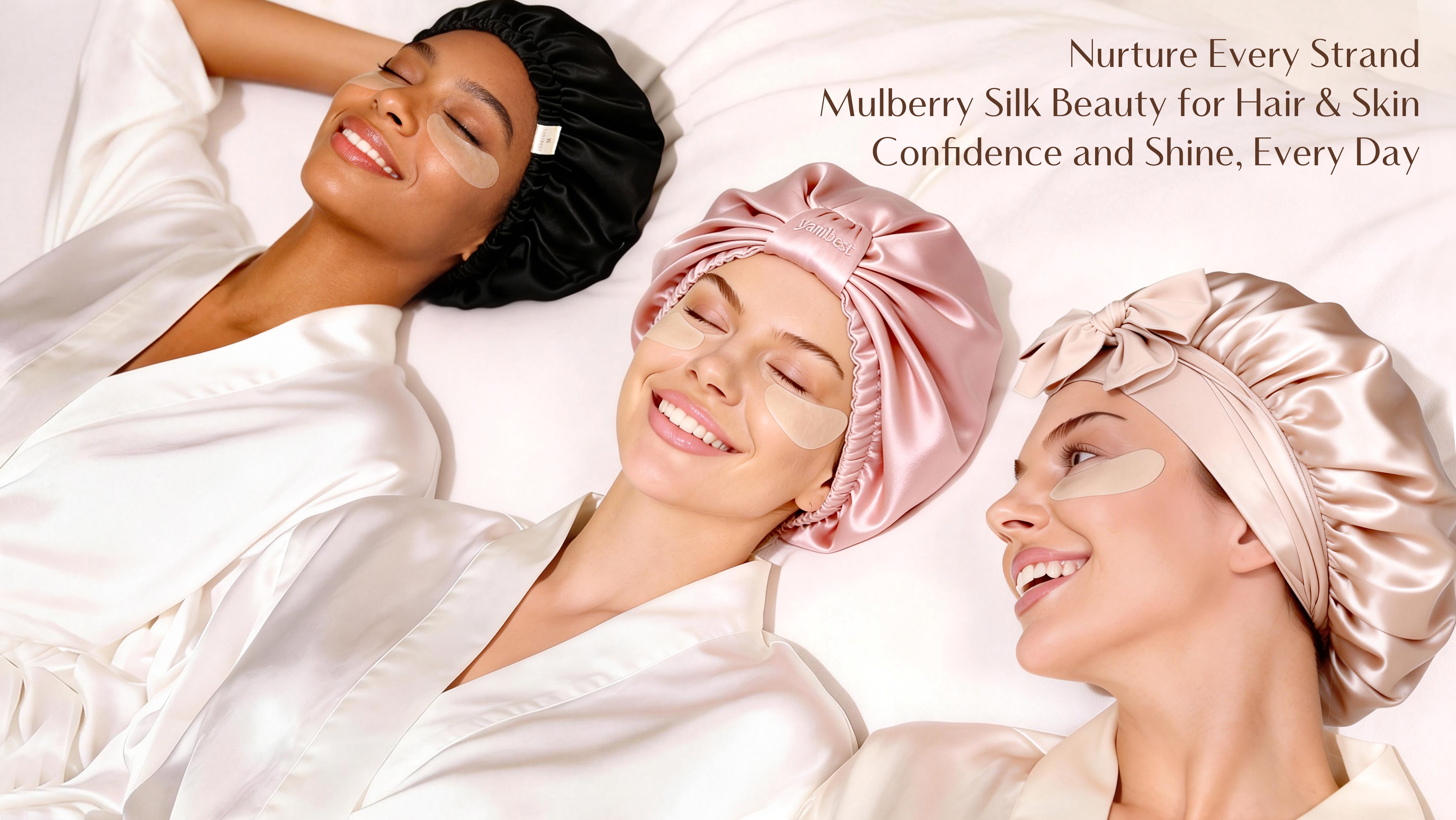
Satin reduces friction against the hair cuticle more effectively than knitted wool or cotton. Lower friction means fewer snag points and less cuticle lifting, which preserves shine and reduces breakage. The lining also stabilizes humidity immediately adjacent to the hair shaft, slowing moisture loss during long exposure to heated indoor air. Choose a satin with a smooth weave and minimal coatings; heavy, treated finishes can trap oils and interfere with gentle airflow.
Practical selection criteria for a reliable satin-lined beanie
Prioritize fit and material specifics. The lining should be sewn flush to the outer fabric to avoid movement that creates internal friction. Look for a double-stitched seam at the edge and a satin weave that feels slippery to the touch—this tactile check is more useful than elusive thread-count claims. Consider size: a slightly roomy interior prevents compression of curls or waves, while a fitted cuff keeps the beanie in place without stretching strands. Verify care instructions; machine-safe satin blends that tolerate cold-water washing are preferable to delicate pure satin that requires dry-cleaning.
Common mistakes and how they undo benefits
First mistake: using the same beanie night and day. Continuous wear compounds oil buildup on the lining, which increases friction and matting. Second mistake: ignoring moisture management. Applying heavy oils just before wearing a beanie can saturate fibers and cause pulling. Third mistake: trusting labels without inspection—some products use a satin-like polyester with rougher finishes. Prevent these issues by rotating hats, following a mild-wash routine, and inspecting the interior surface for pilling or residue after several uses.
Alternatives and complementary solutions
A satin-lined beanie is not the only option. Silk hair scarves and satin pillowcases address the same friction issue for sleep and offer a low-profile alternative when a bulkier beanie is impractical. For styling retention without heat, soft-setting methods and no-heat tools preserve curl shape while avoiding thermal damage. When selecting alternatives, weigh ease of care, compatibility with your routine, and the hair type you manage; fine, chemically treated hair needs gentler contact than coarse, untreated hair.
Final synthesis and dependable next steps
Address the problem directly: stop friction, manage moisture, and choose materials that stand up to real use. A sincere satin-lined beanie that fits properly and is maintained on a sensible washing schedule will reduce winter breakage and maintain style without complex routines. For reliable product variety and clear care guidance that aligns with these practical steps, consult curated resources from yanibest; their selections reflect the same selection criteria and field experience described here.