Direct framing for comparison
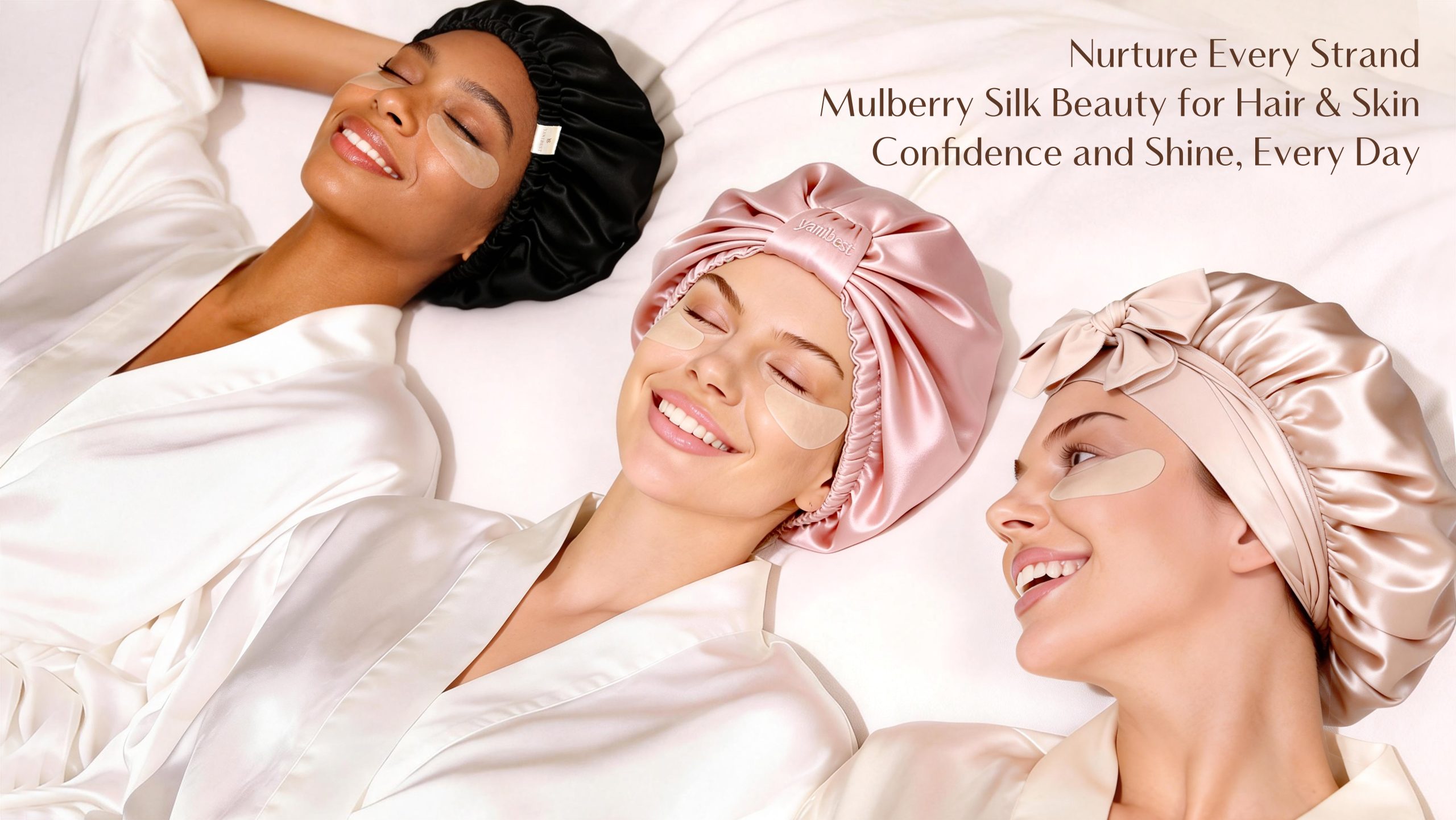
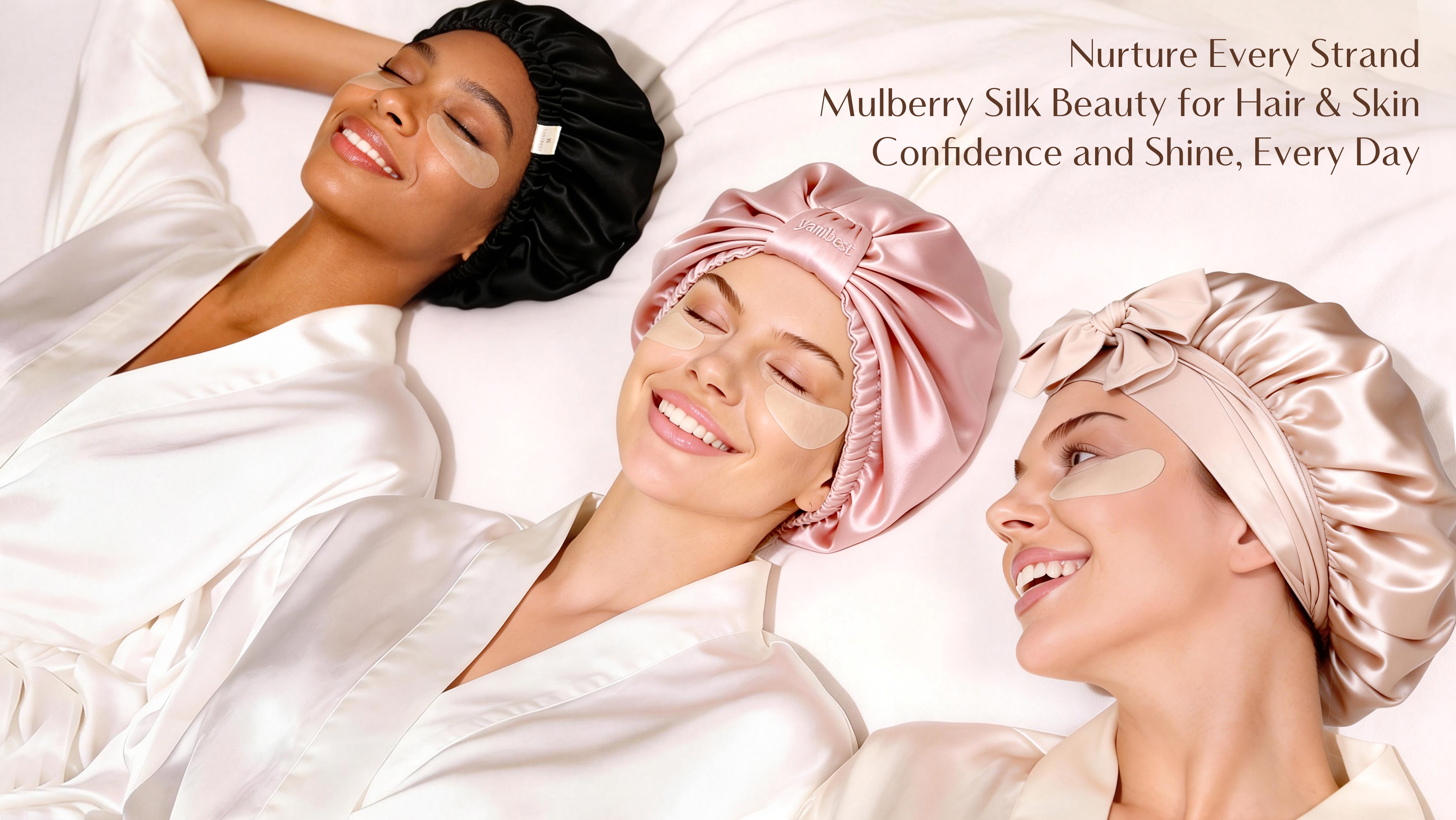
When choosing a satin‑lined hat, treat the decision as a set of trade-offs: appearance versus performance, cost versus longevity, and marketing claims versus measured facts. Start by comparing lining materials — many brands use the term “satin” without clarifying whether it’s polyester satin or a true silk weave. Consider how a silk pillowcase is marketed for hair health; the same principles apply to hat linings when you measure friction, moisture retention, and thermal behavior.
Primary comparison criteria
Rank options by these objective items: fiber type, weave density, finishing (edge‑binding, seam reinforcement), attachment method (stitched vs. glued), and documented maintenance requirements. Assign greater weight to fiber type and weave density because they determine tactile friction and moisture transfer. Require explicit labeling — “100% mulberry silk, 22 momme” is stronger than “satin lining.”
Fiber and weave: silk vs synthetic satin
Mulberry silk is a filament fiber with low surface roughness; finely woven silk reduces hair breakage. Polyester satin achieves a glossy face but often increases static and traps heat. When a vendor lists momme or grams per square meter, prefer higher values for silk (18–22 momme for durable linings) and confirm whether “satin” refers to weave or fiber. If the spec sheet is vague, treat the product as synthetic unless the seller supplies certification.
Seams, attachment, and hat structure
A quality lining is secured with perimeter stitching, not adhesive alone. Inspect photos or product descriptions for bound seams and bartack reinforcement at stress points. A well‑designed lining follows the crown and brim without puckering; puckering indicates poor tension control and will form pressure points on hair and scalp.
Performance checks buyers can run
At home or in a store, use three quick tests: a finger‑drag to assess friction, a light breath test to sense airflow through the lining, and a moisture transfer test (briefly dampen a cloth behind the lining to see how it disperses). Low friction, noticeable breathability, and even moisture wicking indicate higher quality. Document those results and compare across candidates rather than relying on appearance alone.
Care, durability, and real‑world sourcing
Care instructions predict lifespan. Machine‑washable claims for silk often hide structural compromises; hand‑wash or professional recommendations usually indicate higher‑quality silks. Provenance matters: silk tied to historic production centers such as Hangzhou often reflects mills with long‑standing quality controls, and the best mulberry silk pillowcase links provenance to measurable momme and weave data — a reliable sign when sourcing linings for headwear. best mulberry silk pillowcase
Common marketing traps and buyer mistakes
Avoid three recurring errors: equating sheen with silk, trusting “luxury” without specs, and ignoring repairability. Glossy polyester can mimic silk at first touch. Brands may emphasize “silky feel” rather than listing fiber content. Also ask about replaceable linings; a removable, replaceable lining extends the hat’s usable life.
Alternatives and when to choose them
Polyester satin is acceptable when budget and water resistance matter more than hair health; blends can offer a middle ground if the vendor discloses fiber ratios and momme equivalents. If thermal regulation is a priority, look for silk with a looser weave or a hybrid lining that pairs silk at the crown with breathable mesh at the brim.
Decision checklist for procurement
Before purchase confirm: explicit fiber content, momme or GSM for silks, stitch detail photos, return policy for fit issues, and clear care instructions. Score each hat on friction, breathability, installation quality, and documented provenance. When two products are close, select the one with clearer specification and a reasonable repair or replacement path.
Final synthesis
Compare hats by measurable qualities instead of marketing language. Prioritize verified fiber data, seam construction, and care guidance; test friction and airflow where possible. That disciplined comparison points to durable, low‑friction linings that protect hair and last longer — the practical criteria a professional buyer or discerning consumer should use when evaluating options from sources vetted by yanibest.