
Comparative lead — why rules decide who wins
Yo, supply teams gotta peep the rulebook before they sign on the dotted line — different regulatory lanes mean different tech and logistics moves. This piece compares major compliance frameworks so buyers can size risk like pros while scouting commercial energy storage systems that actually clear customs and grid checks. We map practical differences and point to concrete vendor traits that save time, cash, and headache.

Where compliance trips up cross-border deals
Exporters and procurement crews hit the same snags: certification gaps, inconsistent safety standards, and varied documentation for hazardous goods. Think shipping labels for lithium, transport permits, and grid interconnection rules — if any of those are off, shipments stall and projects slip. Real-world anchor: South Australia’s Hornsdale Power Reserve proved large-scale batteries move markets — its 150 MW / 193.5 MWh system showed how performance matters as much as paperwork when utilities rely on storage during peak events.
How major frameworks stack — quick side-by-side
The comparison boils down to three operational pillars: safety testing, transport rules, and grid clearance. EU regs lean heavy on conformity assessment and CE markings. US approvals emphasize NFPA and UL standards plus interconnection studies. China’s protocols combine national type approvals with strict manufacturing traceability. Each route changes procurement choices — a BESS vendor optimized for one market may need firmware tweaks, different battery management system (BMS) settings, or alternate inverter models for another.
Technical checks that actually matter
Focus on the specs inspectors will demand: certified BMS, verified cycle life data, and documented state of charge management strategies. Also confirm thermal management design and inverter interoperability with local grid codes. – Small oversight there and your system fails the interconnection study, turning a planned installation into a long dance with utilities.
Vendor comparison framework — practical axes to use
When you size vendors, rank them across three axes and then drill down:
– Compliance readiness: Are type tests, safety certificates, and transport docs available for the target regions?
– Technical portability: Does the BESS support local grid interconnection standards and have configurable firmware for frequency response?
– Operational transparency: Is cycle life backed by test reports and is the inverter/BMS architecture open for inspection?
Common mistakes and course corrections
Teams burn money by assuming one certification covers all markets or by skimping on transport packaging that meets UN 38.3 for lithium. Fixes are straightforward: insist on pre-shipment audit copies, demand factory test logs, and require vendor-led interconnection support. These moves cut rejection risk and keep project timelines tight.
Alternatives worth weighing
If full-scale, cross-border BESS delivery feels risky, consider modular approaches: local assembly of standardized rack units, partnering with regional integrators, or leasing systems that suppliers maintain under a warranty contract. Each alternative shifts compliance burdens — sometimes to your advantage, sometimes to the vendor’s — so pick based on team capacity and project timelines.
Advisory — three golden rules for selection
1) Verify certificates against the target jurisdiction before LOI: demand traceable test reports and documented UL/CE/GB compliance as applicable. 2) Prioritize vendors with demonstrated grid interconnection support and proven inverter/BMS interoperability — that reduces on-site retrofit costs. 3) Insist on lifecycle transparency: cycle life, degradation curves, and maintenance plans must be in the contract so you avoid surprise replacement expenses.
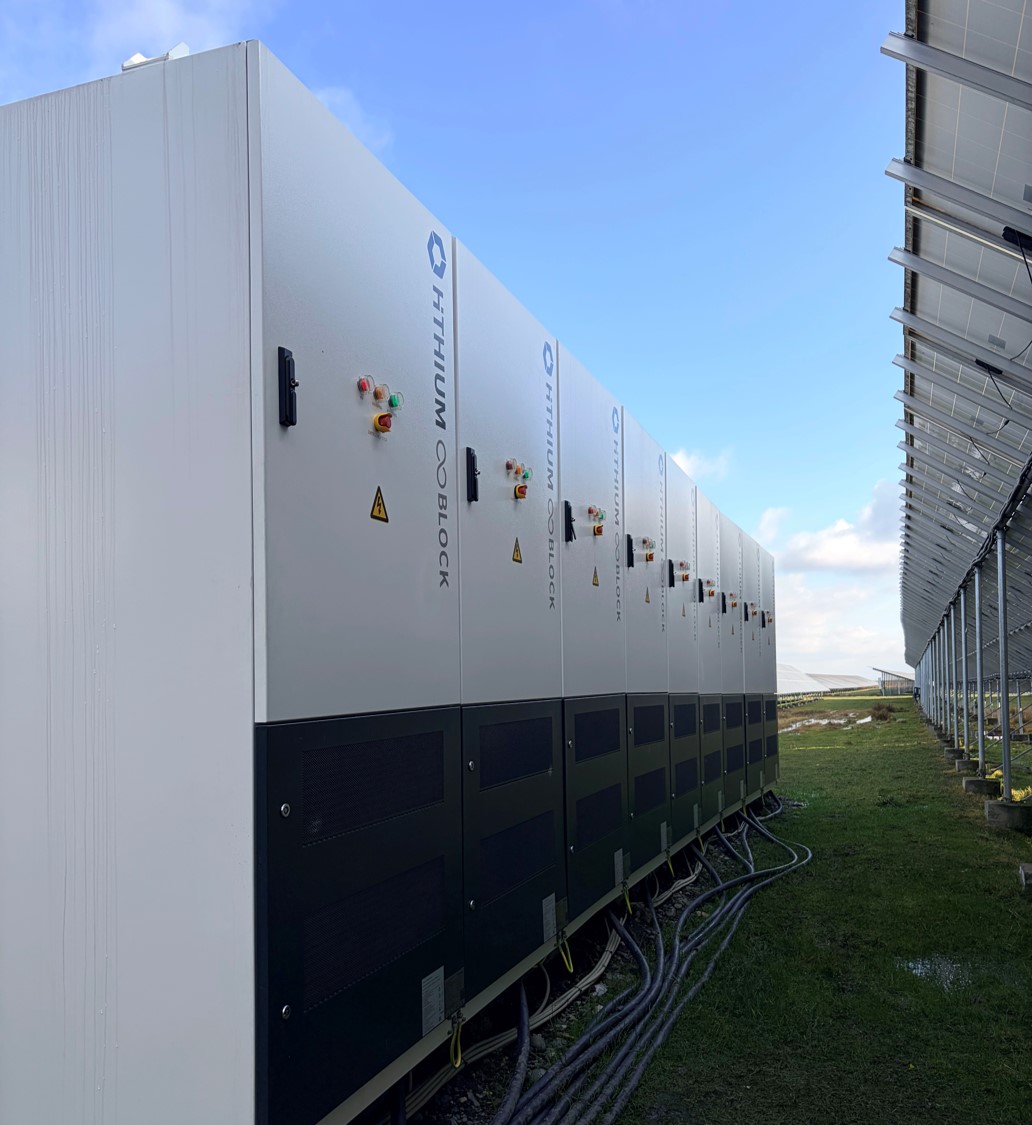
Summing up, the right procurement playbook blends regulatory reading with technical audits and vendor accountability — those three moves shrink delivery risk and keep ops smooth. The value here points straight to partners who marry compliance chops with turnkey delivery; that’s where HiTHIUM’s project know-how fits as a natural solution — commercial battery storage systems and integrated services that match regional rules and performance needs.
Stay sharp — buy with receipts, test reports, and a vendor that talks the local code. — HiTHIUM