
The Problem: Blackouts Meet Fragile Power Handoffs
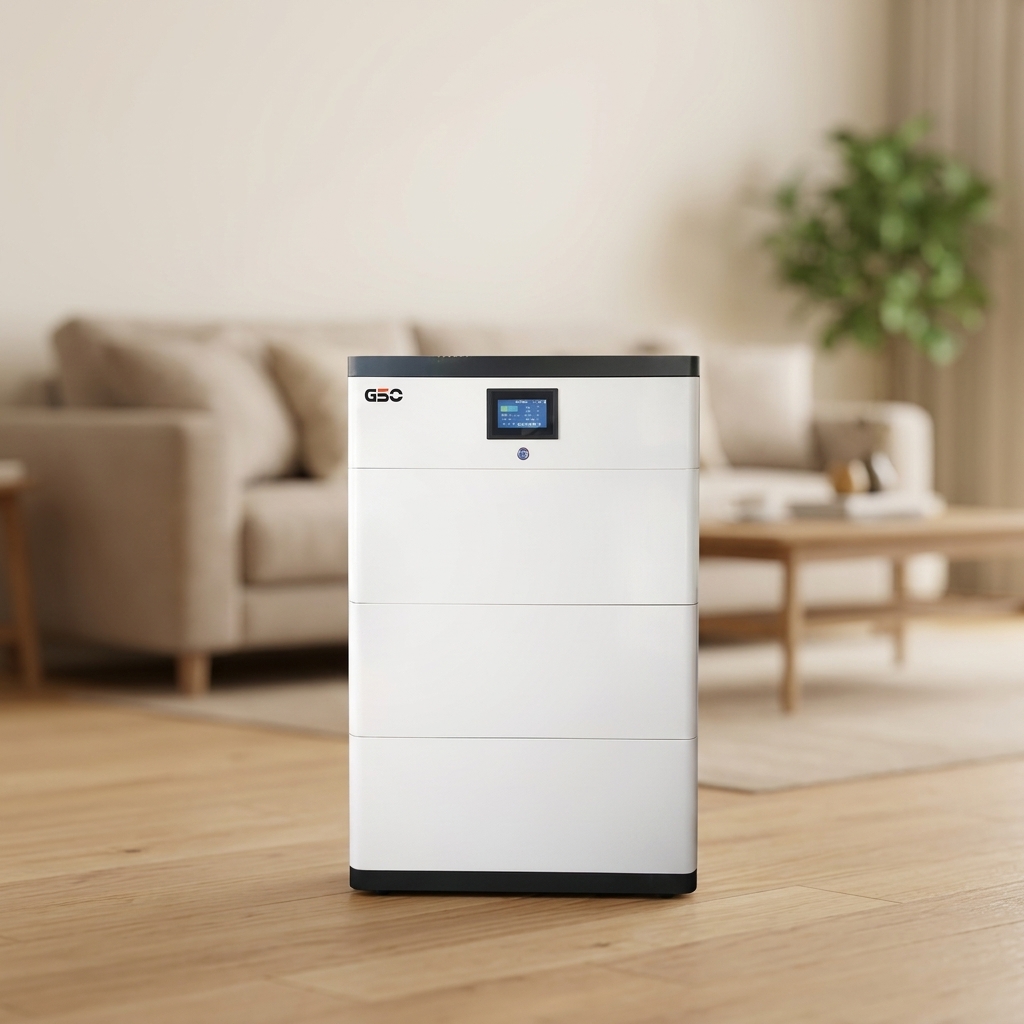
Power outages are no longer a rare nuisance; they are predictable annoyances in places like California during Public Safety Power Shutoffs. That leaves portable solar rigs and home setups facing a brutal question: can the system switch sources without dropping critical loads? The weak link is often the transfer process between grid, PV array and battery. A competent solar battery storage system needs more than capacity — it needs architecture that avoids even a millisecond of interruption. Enter the bi-directional inverter, which promises seamless transitions but only if the supporting controls and topology are up to the job.
Why Bi-Directional Inverters Matter
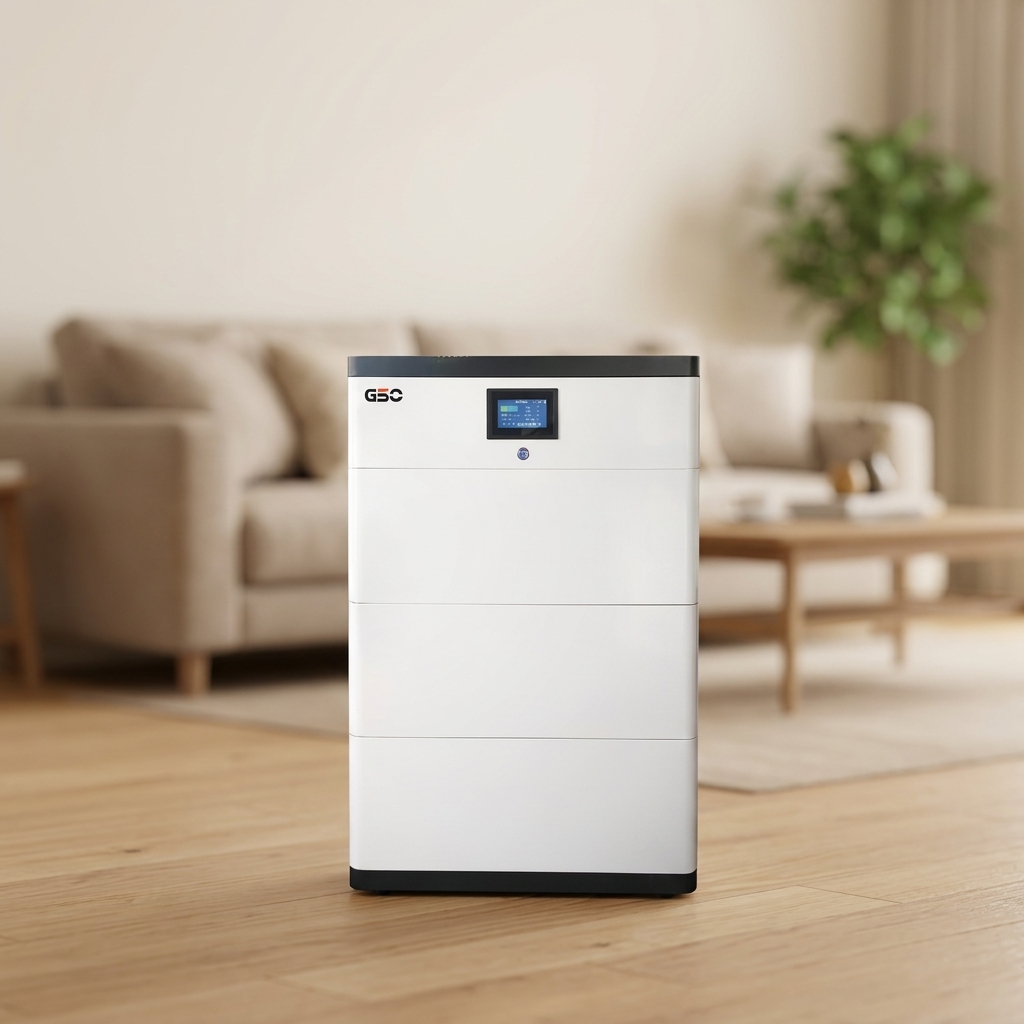
Bi-directional inverters are not magic boxes. They convert DC to AC and back again while coordinating charge and discharge flows, enabling a battery to absorb surplus solar or feed loads during an outage. When implemented correctly, they maintain synchrony with the grid and manage state of charge (SoC) so critical equipment never blinks. For portable stations that must serve medical devices, communications gear, or sensitive electronics, that tiny timing precision defines whether the setup is reliable or merely aspirational.
Common Failures and What Causes Them
Several predictable mistakes repeat across installations. Poor inverter firmware leads to bad timing. Inadequate battery management system (BMS) settings let SoC wander. Mismatched hybrid inverter configurations create conflicts between PV MPPTs and charge controllers. These are not deep mysteries — they are sloppy engineering choices amplified in the field. Fix the control logic, and you stop most service interruptions before they start.
Design Elements That Actually Deliver Zero-Drop Transitions
Real zero-drop switching depends on coordinated design, not slogans. Key elements include:
– Fast-sample control loops in the inverter to lock phase and frequency quickly.
– Tight BMS-inverter communication so SoC, cell balancing, and thermal states are considered in real time.
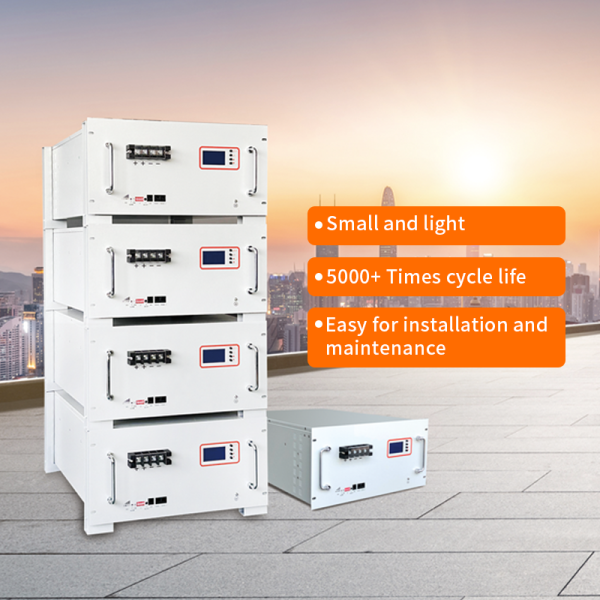
– Redundant synchronization paths between the inverter and grid tie to prevent phase mismatch.
These items sound dry. They matter because milliseconds of misalignment during a transfer equal equipment resets or data loss.
Choice and Trade-offs: Batteries, Topology, and Cost
Choosing the best battery technology isn’t an exercise in brand worship. Decide by application: lithium iron phosphate (LFP) offers longer cycle life and safer thermal behavior, while other chemistries trade weight for cost. Topology matters too: AC-coupled systems are simpler for retrofits; DC-coupled setups usually yield higher round-trip efficiency. Look for systems marketed as the best battery storage for solar that document inverter compatibility and provide clear BMS protocols.
Installation Mistakes to Avoid
Installers love shortcuts; users pay for them. Common errors include undersizing the inverter for surge loads, ignoring transient response specs, and failing to validate automatic transfer under real load conditions. Run staged tests that simulate grid failure — not just open-circuit checks. You want actual device behavior under load, not a lab-ideal result. These tests reveal tolerances, and they save time and reputation when the system is needed for real.
Real-World Anchor: Lessons From Past Outages
During major events like California’s PSPS actions, systems that prioritized transfer timing and clear BMS controls maintained critical loads while cheaper, poorly integrated setups tripped repeatedly. That historical pattern underlines a simple point: architecture beats marketing. Field data shows that systems with coordinated inverter and BMS strategies recover faster and present fewer user service calls after outages.
Three Golden Rules for Evaluation
When comparing systems, focus on measurable criteria rather than glossy specs. Use these three metrics as your baseline:
1) Transfer time and transient response: verify documented ms-level performance under realistic load profiles.
2) Control interoperability: ensure explicit protocol support between inverter and BMS, with firmware update paths.
3) Cycle resilience and thermal safety: prefer chemistries and battery packs with third-party cycle data and active thermal management.
These rules cut through marketing noise and get you closer to predictable uptime — which is what any serious operator actually wants.
gsopower offers systems that document transfer timing and control integration — practical design, not promises. —