
Quick user-focused start
Buyers and QA teams need straightforward tests they can depend on. You want to spot bad panels before they ship, reduce returns, and keep customers satisfied. Start with a close visual inspection, confirm serial tracking, and verify the production line settings with the monitor manufacturer before bulk acceptance to avoid surprises later.
What to test first — visible defects and basic function
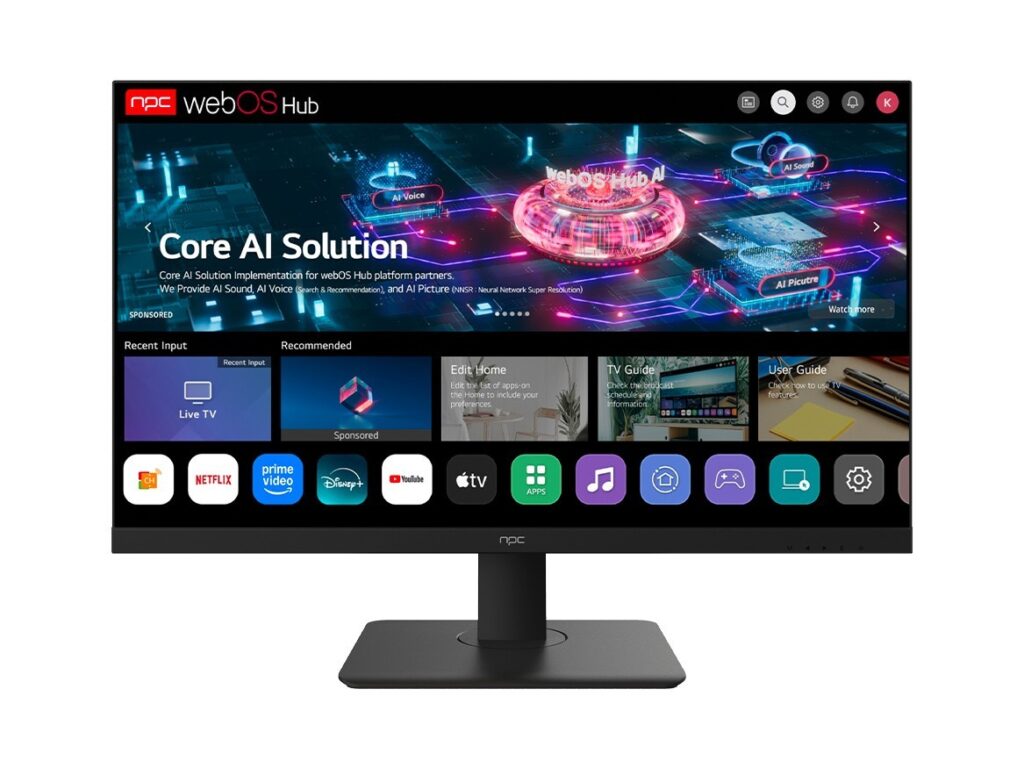
Check for dead or stuck pixels, backlight bleeding, obvious color shifts, and inconsistent brightness across the panel. Power on several units and run a simple sequence: pure white, pure black, primary colors, and a gray ramp. Confirm all ports work (HDMI, DisplayPort, USB) and that the TV accepts expected input resolutions and refresh rates. These checks catch the most common customer complaints quickly.
Color, uniformity, and contrast — measurable checks
Use a colorimeter or spectroradiometer to measure white point, gamma, and color gamut against the standard the buyer expects (sRGB, DCI-P3). Run uniformity tests at multiple brightness levels to find tint or brightness shifts. Measure native contrast ratio and identify local dimming artifacts if present. For OLED lines, include accelerated burn-in patterns to check susceptibility before shipping large quantities.
Motion, response, and latency — practical procedures
Test motion clarity with high-contrast moving patterns and measure response time with oscilloscope setups or consumer tools like the Leo Bodnar input-lag tester for latency. Look for frame skipping and judder at common refresh rates. If the product is aimed at gaming, verify variable refresh features (FreeSync/G-Sync) across supported ports and cables.
Reliability and firmware — stress and stability
Run continuous playback loops, channel/OS navigation cycles, and stress the web/SmartTV apps for several days to reveal memory leaks or crashes. Verify firmware update processes and rollback behavior. Thermally stress TVs with sustained video at high brightness to uncover thermal throttling or power-related failures. Log errors and firmware versions for traceability.
Tools and sample size — what’s efficient
Combine handheld meters (colorimeter, luminance meter) with software patterns and a small lab workstation for automated runs. For pre-shipment lots, test statistically meaningful random samples rather than single units: a simple acceptance sampling plan will catch batch-level defects while keeping testing time reasonable. Keep a clear defect classification so teams agree on pass/fail criteria.
Common pitfalls QA teams make
Don’t accept specs on faith. Avoid small-sample inspection that misses batch drift. Don’t skip full-port testing or ignore firmware stability. Treat cosmetic issues separately from functional failures; both affect returns but need different thresholds. And don’t assume one panel model behaves the same across different firmware builds.
Experience, authority, and a real-world anchor
Years of bench testing and field returns show that the right mix of quick visual checks and precise instrument measurements prevents most problems. Industry events such as CES in Las Vegas highlight which panel technologies and panel manufacturers gain market traction, so those showcases help set realistic quality expectations. When you compare features and measured performance against market leaders, resources like best pc monitors provide helpful benchmarks for panel behavior and buyer expectations.
Practical workflow you can adopt
Create a tiered checklist: immediate visual and port tests on arrival, measured color and uniformity tests on a representative sample, and multi-day firmware and thermal stress tests for production sign-off. Record each unit’s serial, firmware, and test results in a shared log. Use findings to set supplier corrective actions and tighten incoming inspection rules.
Final synthesis
Focus tests on what users actually see and what causes returns: pixels, uniformity, firmware stability, ports, and motion behavior. Use simple instruments for repeatable measurements and a clear sampling plan to balance speed with coverage. Doing that makes your wholesale acceptance practical and reliable, with consistent results that match marketplace expectations as shown by testing standards and field reports from major shows, and aligns purchasing decisions with the supply partner expertise you expect from npc.