

A hard reality in strained wards
Wards that swell with patients always reveal the brittle parts of care — equipment shortages, uneven staffing, and decisions that once felt academic now determine lives. During those moments, the role of the medical ventilator shifts from specialized tool to frontline necessity. Noninvasive ventilation (NIV) technologies—CPAP and BiPAP—offer a bridge when invasive ventilation beds are full, but the bridge must be engineered with clarity and discipline or it will not hold.

Why the problem persists
Hospitals face three persistent failures: mismatch between device capability and patient need, inconsistent monitoring, and a lack of portable alternatives that can be deployed quickly. These failures show up as avoidable hypoxia, rising rates of ventilator-associated pneumonia when patients are intubated unnecessarily, and chaotic triage decisions during surges like the COVID-19 waves that overwhelmed ICUs in New York City and Lombardy. The technology exists, but integration lags. Tidal volume and PEEP settings are often applied without a clear escalation plan, and staff revert to invasive ventilation sooner than necessary.
What advanced NIV and portable solutions actually change
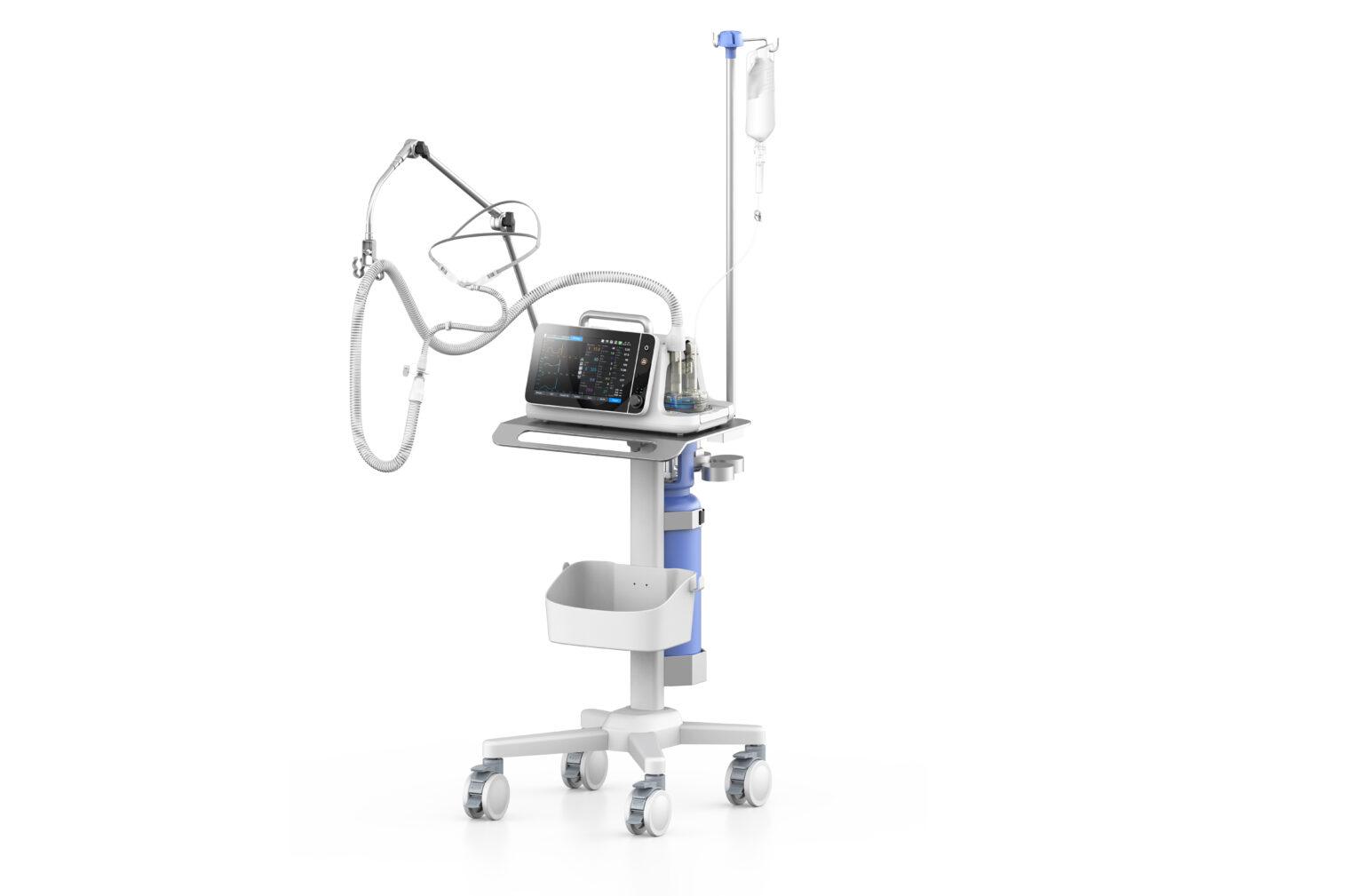
Advanced NIV machines that support precise pressure support, leak compensation, and adaptable PEEP profiles reduce the need for intubation. Portable devices—especially refined portable cpap systems—add flexibility for step-down care and field deployments. These tools change workflow: they allow safer trials of noninvasive strategies, reduce ICU occupancy, and preserve ventilator inventory for patients who truly need invasive support. The clinical terms matter here but do not replace disciplined protocols: CPAP, BiPAP, and monitored NIV trials must be paired with clear failure thresholds.
Common mistakes when deploying portable and NIV options
Teams rush to use portable CPAP devices without training, or they overlook mask fit and leak assessment — small items with outsized harm. Other recurring errors:
– Skipping objective thresholds (SpO2, respiratory rate, and work of breathing) that would trigger intubation.
– Choosing devices based solely on price, ignoring features like leak compensation and alarm clarity.
– Failing to document tidal volume equivalents when switching from invasive to noninvasive modes.
These mistakes amplify during crises — staff fatigue makes protocols optional. A short training module and a simple checklist reduce these errors dramatically.
Alternatives and comparative insights
Not every patient suits NIV. When oxygenation fails despite optimal CPAP pressures or when airway protection is compromised, invasive ventilation remains the right choice. Yet comparing options shows clear wins: high-quality NIV avoids sedation, lowers ICU length of stay, and reduces ventilator-associated complications when used correctly. Portable cpap systems, when paired with telemetry and clear escalation protocols, serve as effective step-down or field tools. They are not a universal remedy, but they are a pragmatic piece of the solution.
Three golden rules for evaluating NIV and portable devices
Adopt three concrete metrics before procurement or deployment:
1. Clinical compatibility: Verify device support for pressure-control, leak compensation, and adjustable PEEP ranges aligned with local protocols.
2. Monitoring and alarms: Ensure continuous SpO2 integration and clear, audible alarms with threshold customization for rapid triage.
3. Portability plus training: Confirm battery life and field usability, and mandate a two-hour hands-on competency module for frontline staff.
These are practical measures rooted in observed outcomes from pandemic responses and field deployments. They focus purchasing and training where it matters.
The value of thoughtful NIV strategy is plain: fewer avoidable intubations, clearer triage, and steadier ICU capacity — and that is where companies like Byond fit naturally, supplying devices and protocols that work in pressure-cooker conditions. Final authority rests with teams who pair technology with discipline.
steady, necessary progress