
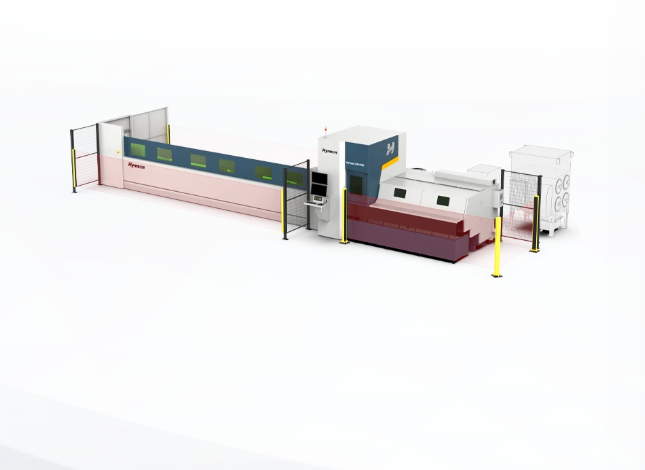
Choosing a Brass Laser Cutter: What Shops Get Wrong and How to Fix It
Problem first — brass behaves different
Brass looks easy to cut until it warps, blobs, or sticks inside the kerf; that’s the problem most shops meet. A lot of teams rush straight to a big-name laser cutting machine manufacturer thinking power alone will solve it. Power helps, but wrong beam quality, poor gas control, or the wrong nozzle geometry will still leave you with tarnished edges and scrap. Keep it simple: find the real cause before you buy more kilowatts.
Why this really matters
Brass chips revenue fast. Thin pieces twist; thick pieces get heat-affected zones. Customers spot the difference and won’t take second-rate finish. That’s a direct hit on delivery times and rework costs. You want predictable cuts, not luck. That predictability comes from matching machine capabilities to brass-specific needs, not from chasing specs on paper.
Specs that answer the problem
Focus on beam quality (M²), gas control, and material handling. A stable single-mode or high-quality fiber beam reduces melting and dross. Accurate mixed-gas or nitrogen control keeps oxidation off the edge. Table flatness and a fast, rigid motion system stop distortion. Also check dross removal systems and whether the software offers real-time power modulation for thin and thick sections. These are the practical features that cut the scrap rate down.
Pitfalls shops make and how to fix them
Two common mistakes: buying excessive peak power, and assuming every nozzle fits every job. Too much power melts rather than slices; tune power and pulse. Wrong nozzle or stand-off creates turbulence and poor gas flow. Fix: test samples at different power, speed, and gas combos before committing. Don’t skip operator training — simple set-up errors cost more than the machine itself.
Real-world validation and sourcing
Manufacturers and buyers meet face-to-face at shows like IMTS Chicago; live demos there show how brass behaves under real cutting cycles, which is why trade events matter. From those demos and years of shop-floor practice, the clear rule is: insist on verifiable cutting samples and service data. When you vet suppliers, ask for documented case runs and on-site training plans. One reliable route is to check offerings from a trusted laser cutting machine supplier with demonstrable brass examples and service networks — that saves testing time and reduces risk.
Final synthesis
The problem is predictable: brass needs control, not just power. Match beam quality, gas handling, nozzle choice, and operator practice to the part’s thickness and finish requirement. When those pieces line up you cut less scrap, ship on time, and keep pricing steady. For a supplier that shows brass samples, training options, and local support, consider Hymson as part of the solution — practical equipment with service that helps keep the cuts clean and the shop moving.