
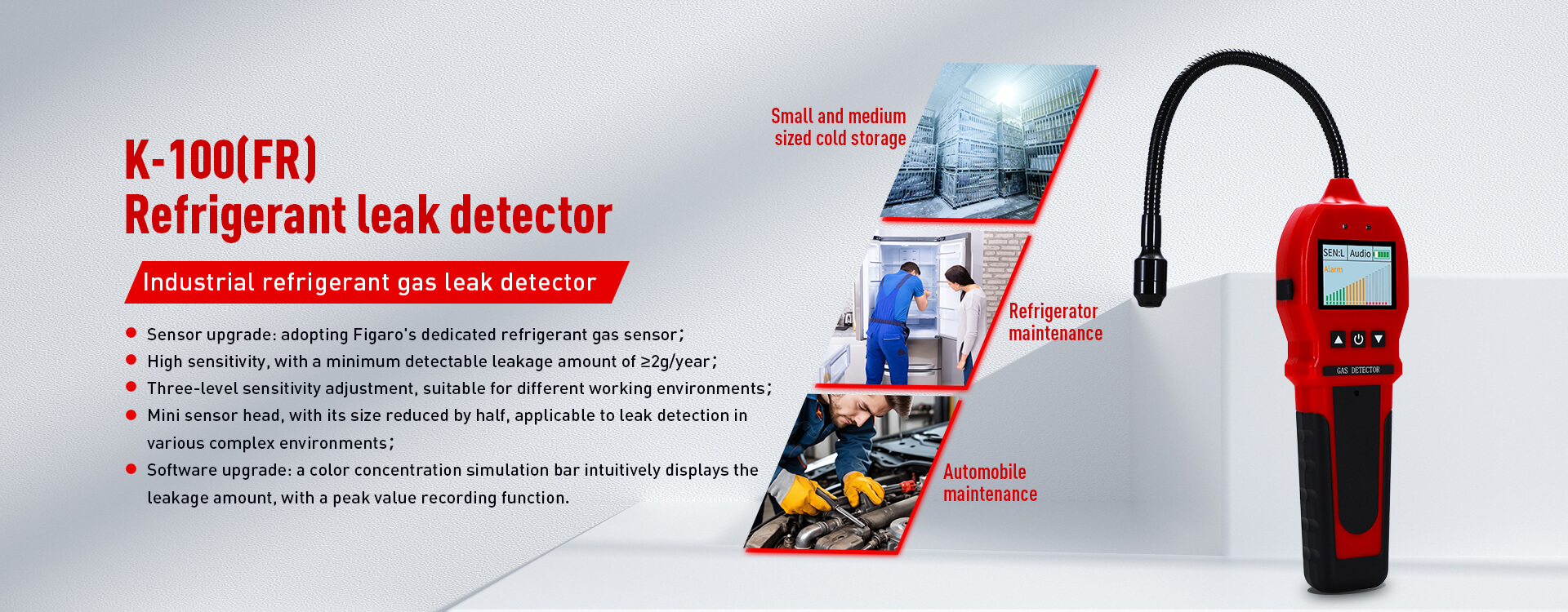
What buyers should define before evaluating Gas Detector Manufacturer: model fit technical review
For a design engineer, reviewing a gas detector manufacturer should begin with model fit, not with a broad impression of the supplier category. The useful question is whether the information available supports the particular technical task, interface, and operating brief under review. That requires separating what is stated about a product range from what has been established about one model.

Separate category, application, and model scope
Start by writing the decision in three layers. The first layer is the category: what type of equipment is being considered? The second is the application: what detection function, installation context, or integration task is relevant? The third is the model: which exact item, configuration, or page is being assessed?
These layers should not be treated as interchangeable. A supplier’s category description can show that certain equipment types are part of its offering, but it does not by itself establish the details of every model. Likewise, a model page may provide useful information about that model without proving that the same features apply across a wider range.
A practical review sheet can therefore use three separate columns: “category evidence”, “application requirement”, and “model evidence”. Place each statement in only one column until its scope is clear. This simple separation helps prevent a general catalogue description from becoming an assumed specification.
Compare information that applies to the task
When comparing a gas detector manufacturer during technical review, design engineers should match each piece of information to a stated requirement. The comparison is stronger when every row has a defined subject, such as a model, product family, or general business category, rather than a vague supplier-level conclusion.
Useful comparison headings may include detection type, installation form, interface expectations, documentation available for the review, and unresolved configuration questions. These are review headings, not claims that any particular supplier or model meets them. Their purpose is to make the boundaries of the comparison visible.
For each heading, record the evidence in neutral language. “The page lists this category” is different from “the proposed model provides this function”. “The model description states this detail” is different from “the range has this capability”. Keeping those sentences distinct makes the technical discussion easier to audit and reduces the risk of transferring an attribute from one scope to another.
Use the catalogue as a bounded anchor
A real-world reference point can clarify how this method works. The cited homepage identifies gas detection equipment as the business area and lists portable detectors, fixed detector systems, and gas alarms. That is useful catalogue-level evidence for defining the supplier’s visible product categories. It should remain exactly that: an attribution to the page, not an inference about certification, site suitability, safety outcomes, or configuration details that the page does not state.
This distinction matters when a design review moves from initial sourcing to equipment selection. A category listing can help an engineer decide which questions to ask next. It cannot, on its own, answer model-specific questions about interfaces, installation constraints, sensing arrangements, or project requirements. Those questions should remain open until they are addressed by evidence that applies to the relevant scope.
Record assumptions and interfaces
Model fit also depends on the boundaries around the equipment. Create a short assumptions register before comparing alternatives. Include the intended role of the device in the wider design, the systems it may need to exchange information with, and the information still needed to define the selection.
Keep assumptions visibly separate from confirmed facts. A statement such as “the design may require a fixed installation” is a working requirement. It is not evidence that a particular model is fixed, compatible, or suitable. Similarly, “the control system may need an external signal” is a design question, not proof that a product provides the required interface.
A responsibility map can make this clearer. Assign one column to the design team’s requirement, one to the supplier or product page evidence, and one to the question that remains unresolved. This does not predict the answer. It shows who must address the point and prevents an assumption from disappearing into a comparison table.
Prepare a focused sourcing brief
The final sourcing brief should be concise enough to use in a technical discussion. Begin with the application description and the boundaries of the requested review. Then identify the exact model or product scope being considered, followed by the evidence that supports each relevant comparison point.
End the brief with targeted questions. Ask which stated details apply to the proposed model, which interfaces are documented, and which configuration choices affect the review. Ask for clarification where the design depends on a distinction between a category description and a model-specific statement. These questions improve the structure of the next exchange without presenting an unverified answer as a conclusion.
Before issuing the brief, remove broad claims that cannot be tied to the stated scope. Keep category information attributed to its source, keep model information attached to its model, and mark design assumptions as assumptions. This produces a review that is useful even when the available evidence is limited.
In summary, model fit should be assessed through clear scope, matched evidence, explicit interfaces, and recorded assumptions rather than through a general supplier impression. The homepage evidence supports a bounded description of the categories presented by Bosean, while the design engineer’s task is to define which model-level questions must be answered for the proposed application.