
Introduction: A Quick Wake-up Call
Have you noticed the thin haze hanging over a welding bay and wondered how much harm it really does—especially when a modest survey shows up to 30% of shop-floor staff report eye or throat irritation? Here we are, talking specifically about automotive manufacturing welding fume extraction, and the numbers keep nudging us: short-term discomfort, long-term lung risk, and lost productivity. (I’ve stood beside those bays; the smell alone stays with you.)
In India and beyond, factories run on tight schedules, yet air quality often gets patched rather than solved. So I ask: are we settling for “good enough” because it’s cheaper now, or because we don’t yet see the full cost? This piece will compare typical approaches, highlight hidden pain points, and point to clearer metrics so you can judge systems more confidently. Let’s move on to the real issues.
Part 2 — Where Traditional Systems Fail (and What Workers Really Feel)
When I assess shop floors, the first thing I look for is whether managers really understand the limits of their equipment. Many sites rely on dated local exhaust ventilation (LEV) and undersized ductwork that simply move smoke around instead of capturing it at source. Here’s a frank point: most “big fan” fixes mask the problem; they don’t remove the hazardous particulate and fumes. For reference, manufacturers often deploy centralised filtration with HEPA filters but then underspec the fan, or choose filters without adequate pre-separation—so the system chokes, maintenance soars, and people still cough.
dust collectors for automotive manufacturing are commonly sold as one-size-fits-most, yet each welding process (MIG, TIG, spot welding) has its own fume profile. The result: mismatched capture velocity, poor hood design, and excessive noise. Look, it’s simpler than you think—capture at source and match the collector to the process. I also see failures in controls: frequency inverters and power converters are sometimes absent, so blowers run flat-out and burn energy. That’s wasteful and shortens equipment life. — funny how that works, right?
Why do these systems still fail?
Often because procurement focuses on capital cost, not lifecycle cost. Workers complain about visibility, breathing irritation, or headaches. We must factor in filter life, maintenance downtime, and sensor placement (I favour multiple sampling points, not just one). In short: traditional fixes neglect ergonomics, correct capture geometry, and proper specification of filtration stages (cyclone pre-separators, HEPA stage, or electrostatic precipitator where appropriate).
Part 3 — New Principles and Practical Choices for Safer Shops
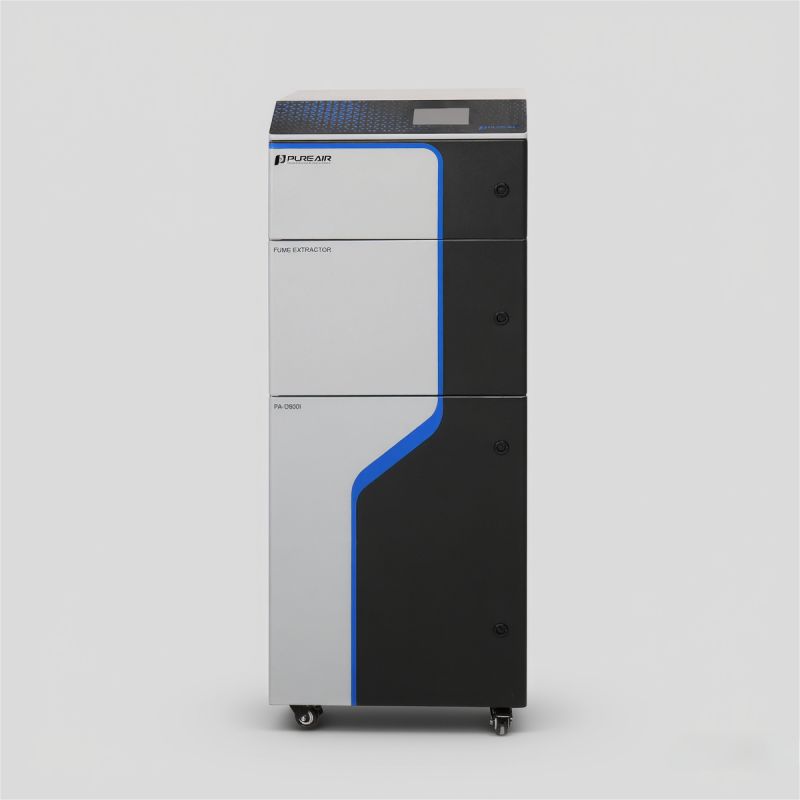
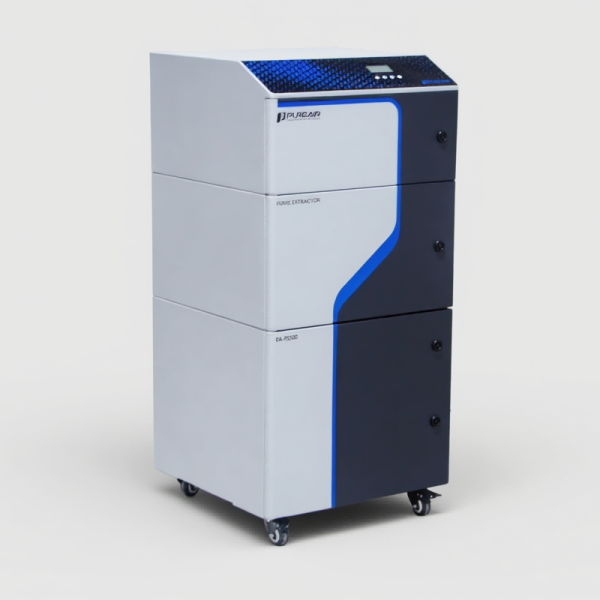
Looking ahead, I prefer to judge new systems by principles rather than buzzwords. Start with source capture: well-designed hoods and articulated arms beat large-room dilution every time. Then add staged filtration—cyclone or pre-filter, a HEPA stage, and where needed, an electrostatic precipitator for fine particulates. Integrate smart controls: simple PLCs with feedback from particle sensors, or even edge computing nodes for local decision-making, help maintain performance without micromanagement. dust collectors for automotive manufacturing now come with modular cartridges, remote monitoring and replacement alerts; these features cut downtime and make life easier for maintenance teams. — it saves money later, really.
Case example: I worked with a mid-size plant that swapped its centralised, overworked unit for modular collectors at each cell. Emissions dropped, filter life improved, and the shop-floor noise fell. Staff morale rose because welders could see and breathe better; productivity followed. The lesson is simple: decentralise when you can, but standardise maintenance procedures so spares and filters are consistent. Also consider energy recovery when exhaust is warm—small gains add up.
What’s Next: How to Choose the Right System?
When evaluating options, use these three metrics: capture efficiency at hood (measured in %), lifecycle cost (capex + 5-year opex), and maintainability (time for filter change, parts commonality). I recommend on-site smoke tests and particle-count baselines before and after installation—don’t buy blind. If you balance those metrics, you’ll find systems that protect workers and keep production steady. Finally, trust vendors who share data and training, but still ask tough questions; I do.
In closing, I’ll say this plainly: better welding fume extraction is not glamorous, but it is measurable. Choose capture-first designs, insist on proper filtration stages, and monitor performance. That combination yields cleaner air and fewer sick days—real benefits you’ll notice in the month, not just the year. For dependable solutions and practical support, I look to partners like PURE-AIR.