

Introduction: Defining the Edge of the Pack
We measure progress in batteries by what fits, lasts, and stays safe. A pouch cell sits at the heart of that shift. In a thin e-mobility frame or a compact medical device, engineers weigh millimeters like gold, then fight heat and cycle life at scale. Early pilots show up to 15–20% higher volumetric energy density over some prismatic builds, and scrap rates that spike when swelling goes unmanaged—numbers you feel on the line, not just in a deck (and yes, it shows). So here’s the practical question: when the product spec tightens and the launch clock runs, which chemistry form factor and process choice gives you room to breathe? The path often points to a pouch lithium ion battery, but only if you control formation, stack pressure, and thermal gradients with care. Because the thin profile cuts weight, yet the laminate needs discipline—tab welding, electrolyte wetting, and BMS logic included.

We’ll walk through the trade-offs and where legacy answers fail under stress. Then we’ll compare what is changing now and what to watch next.
Comparative Insight: Where Traditional Packs Fall Short
What fails first—shape, heat, or time?
Traditional cylindrical and prismatic packs are proven. They carry strong mechanical shells and a familiar assembly flow. Yet that casing also locks geometry, wastes space in tight enclosures, and adds mass that turns into thermal inertia. Under fast charge, current density concentrates, the cell warms, and the Battery Management System (BMS) must clamp performance to stay clear of thermal runaway. Look, it’s simpler than you think: the rigid can protects, but it also fights your design when you need high energy density in a thin footprint. In contrast, a pouch lithium ion battery can shape to the product, reduce dead volume, and cut interconnect losses—if you keep stack pressure uniform and tabs precisely aligned. Legacy solutions falter on swelling control, electrolyte distribution, and impedance growth after formation. When electrolyte wetting is uneven, SEI formation drifts, internal resistance rises, and cycle life slides.
The hidden pain shows up in scaling. Prismatic modules tolerate rougher clamp schemes; pouches demand controlled compression across each layer. Miss that, and you get gas pockets, delamination, or hot spots during high C-rate bursts. Thermal pads help, but they mask, not fix, in-plane heat spreading. And while metal cans manage venting, laminate pouches push you to monitor cell breathing early—during formation aging, not months later in the field. Power converters can throttle ripple, yet transient loads in robotics or edge computing nodes still expose any tab-welding inconsistency. The failure chain is short: poor formation recipe, uneven pressure, rising internal resistance, and then capacity loss you cannot reclaim. That is why process design is as critical as chemistry.
Forward Look: Principles Powering the Next Wave
What’s Next
The new playbook centers on process physics, not only materials. Inline impedance spectroscopy during formation, coupled with adaptive current profiles, tunes SEI growth where it matters—on first charge, layer by layer. Smart fixtures maintain uniform stack pressure with compliant frames and real-time force maps, so electrolyte wetting and gas release stay balanced. Laser tab welding cuts thermal input variance and stabilizes contact resistance. Dry electrode coating reduces solvent risk, speeds throughput, and often improves porosity control. Together, these principles reduce thermal gradients and curb swelling—funny how that works, right? In practice, a modern pouch lithium ion battery line pairs precision formation aging with data feedback into BMS models, so fast-charge algorithms and safety limits reflect actual cell behavior, not idealized curves. For high-power tools and light EVs, that means less derating at peak load and calmer pack temperatures under stress.
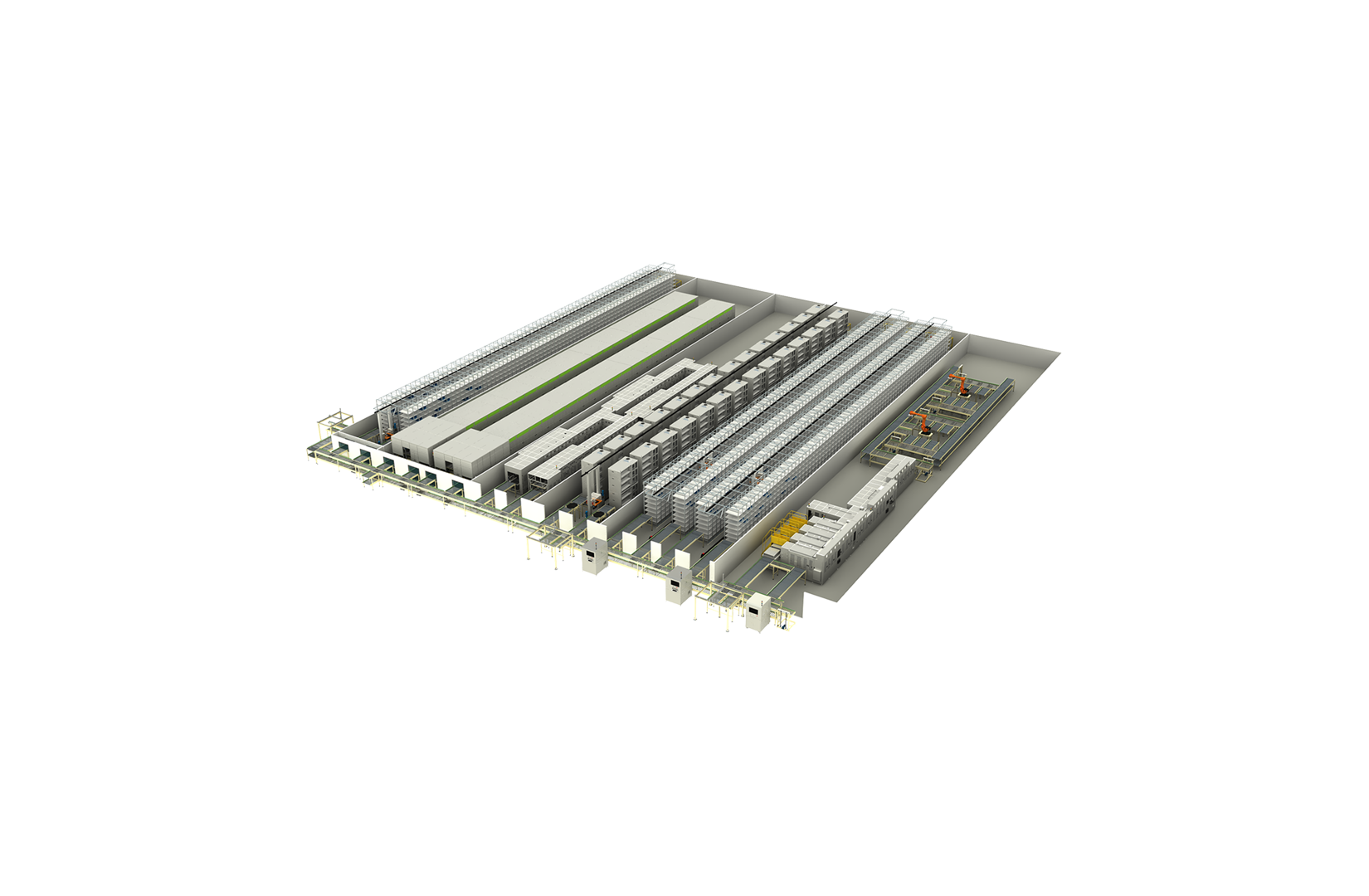
Summing up the comparison, rigid cans win on brute protection and simpler clamps; pouches win on shape efficiency, module weight, and interconnect path length. But the gap closes only when manufacturing upgrades the fundamentals. If you are selecting a path today, use an advisory lens with three checks: 1) Compression control: Can you verify uniform stack pressure across life, not just at build? 2) Formation fidelity: Do you measure early impedance growth and tune current density to prevent hot spots? 3) Thermal routing: Is your module layout designed for lateral heat flow and stable tab temperatures under the worst C-rate? Get those right, and the result is measurable: lower impedance growth per 100 cycles, tighter pack Delta-T, and fewer field returns. The next phase is practical and close at hand—and quietly decisive. For further technical depth and process benchmarks, see LEAD.