
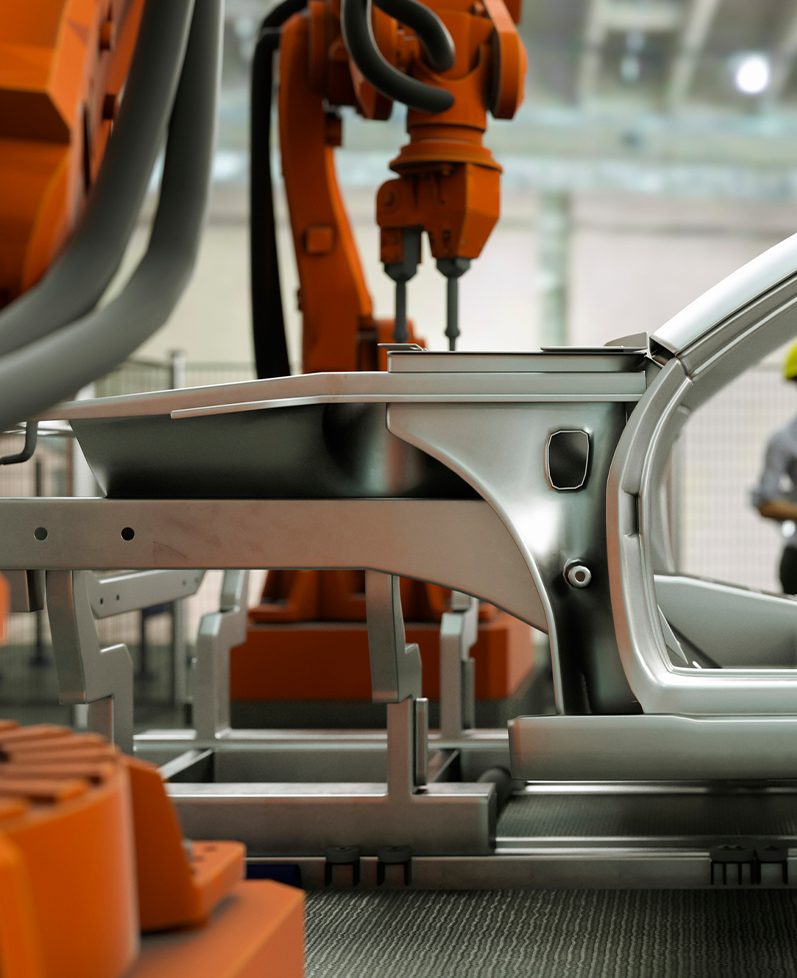
Why This Matters on the Factory Floor
I’ve seen a whole shift grind to a halt because one tab weld didn’t hold and a conveyor jammed at 2 a.m. These energy storage batteries aren’t just parts on a line; they keep hospitals, data hubs, and trucks alive when the grid stutters. Downtime steals hours, scrap creeps up, and the crew stares at a red light that won’t quit—funny how that works, right? Operators know the pain: slow changeovers, mystery faults, and a trail of rework that follows. The data tells the same story. When processes drift and checks are manual, OEE falls, and yields leak away. You can blame the machine or the operator, but it’s the whole system that’s out of tune (islands instead of a flow). So here’s the question: how do you build lines that run steady, adjust fast, and don’t crush margins? Let’s crack open the real blockers and set up what actually fixes them—step by step.
The Hidden Flaws in Traditional Setups
Where do delays actually start?
Most older lines treat each station like a silo. Coating here, drying there, then calendaring somewhere down the hall. The problem is drift. Anode slurry changes viscosity, coating uniformity shifts, and nobody sees it until inspection kicks alarms. That delay is expensive. Modern systems link checks to actions, but many plants still run blind between steps. With integrated controls and connected lib manufacturing equipment, metrology can nudge the coater before scrap piles up. Without that loop, the fix lands too late. Then the dry-room HVAC fights moisture swings, and formation cycling schedules get squeezed. Look, it’s simpler than you think: if data rides with the strip, the line stops guessing.
Another quiet killer is the handoff. Material moves, but context doesn’t. The MES records a batch, yet the welder doesn’t know the foil tension that came before. Power converters in end-of-line test don’t see upstream thermal history. That’s how micro-defects sneak through. Traditional changeovers add more pain—tooling swaps, parameter hunts, and “try again” routines. Each minute chips yield. Inline sensors, closed-loop control, and recipe locks can shrink that window. Tie tab welding parameters to coating and calendaring data, and the station tunes itself. Keep the operators in the loop with simple screens, not noisy dashboards. And keep the dry-room stable, because moisture is the silent tax on everything.
Comparative Outlook: Principles That Actually Cut Downtime
What’s Next
Here’s the fork in the road: keep bolting machines together, or build a line that learns. The new playbook leans on four principles. First, continuity of data—one thread from slurry to pack. Second, edge computing nodes right at the tools, making real-time tweaks without waiting on a server. Third, modular hardware that swaps fast: quick-change fixtures, auto-calibrated optics, and plug-in stations. Fourth, model-based control that predicts drift and corrects it before it hurts yield. In practice, this looks like a coater that adjusts on the fly from inline thickness readings, and a welder that locks parameters based on foil and tab history. When lib manufacturing equipment is built around these rules, the line acts like one machine, not ten. And no, you don’t need a moonshot—just tight integration and simple operator cues.
Comparing old versus new shows the gap. Old lines report after the fact; new lines decide in the moment. Old lines chase alarms; new lines dampen noise with closed-loop control. Old lines swap tools; new lines swap recipes and auto-verify torque, vision tolerances, and weld penetration. Add a digital twin to test recipes before touching material, and you cut the trial-and-error loop. Bring in predictive maintenance on bearings, heaters, and vacuum pumps, and unplanned stops fall off. When end-of-line test uses the same data spine as coating and drying, the BMS test station flags patterns, not just parts. Results show up where it counts: steadier OEE, fewer surprises, calmer night shifts (which everyone appreciates).
To choose well, use three simple metrics. One: OEE trend stability across changeovers, not just a daily average. Two: first-pass yield from coating to formation, including weld rework rate. Three: time-to-changeover, measured from last good part to next good part, with recipe locks and auto-setup verified. If a solution moves these needles, it’s worth your time. If it doesn’t, keep walking. For a grounded view of integrated lines and practical controls, keep an eye on LEAD.