
Introduction — a small shop, a loud fan, and a question
I remember walking into my makerspace one winter evening and noticing a faint chemical sting that I couldn’t ignore. By the next hour the room felt stuffy and a few members were rubbing their eyes; we had been printing PLA and ABS for hours. I started asking: how do we keep prints clean without risking health or losing uptime? In that search I learned quickly that a proper 3D printer fume extractor changes both air quality and workflow. (It isn’t glamorous — but it matters.) I’ll share what I found, with raw numbers: short tests showed PM2.5 spikes during long ABS runs, and a basic fan-only setup failed to drop particulate counts reliably. This piece walks through the problem, where common fixes fall short, and what to look for next. Let’s move from that cramped shop smell to practical fixes that actually work.
Why many traditional fixes miss the mark (a technical look)
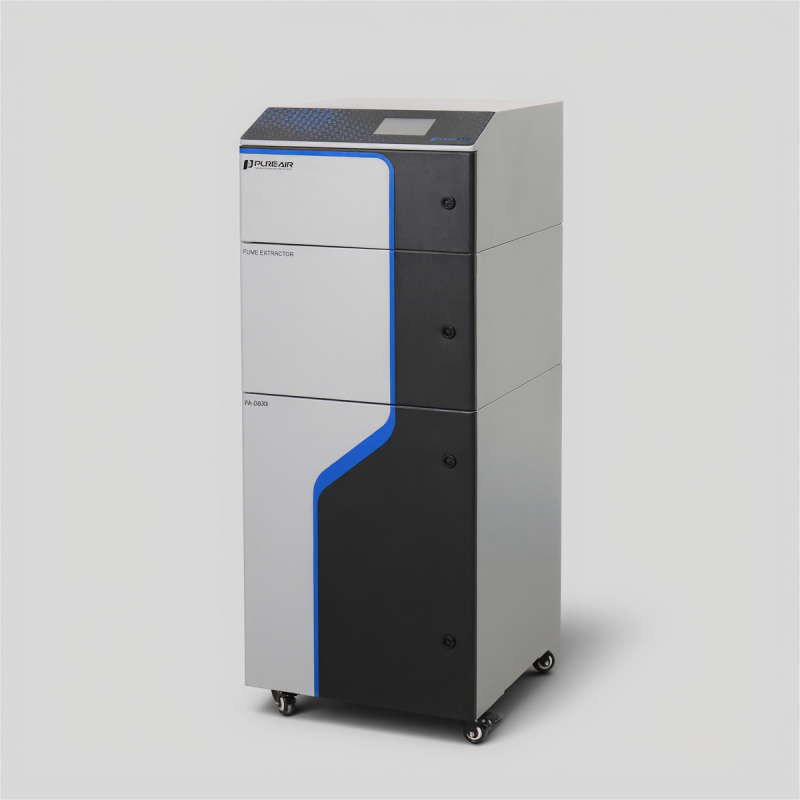
3D printer fume extraction is the core issue here. I’ll be blunt: most shop “solutions” trade real filtration for noise and hope. People add a desk fan, duct tape a box fan, or rely on open windows. Those approaches shift airflow but do not capture volatile organic compounds (VOCs) or the fine particulates that matter. From a technical standpoint, you need filtration media (HEPA for particulates, activated carbon for VOC adsorption), a matched fan curve to maintain constant airflow rate, and proper ventilation ducting to avoid recirculation. I’ve tested cheap in-line fans that advertised CFM but had poor static pressure — they lost performance once filters were fitted. The result: partial capture at best, persistent odors, and variable deposition on prints. Look, it’s simpler than you think when you break it down: filtration efficiency and matched fan performance are non-negotiable.
So what exactly fails?
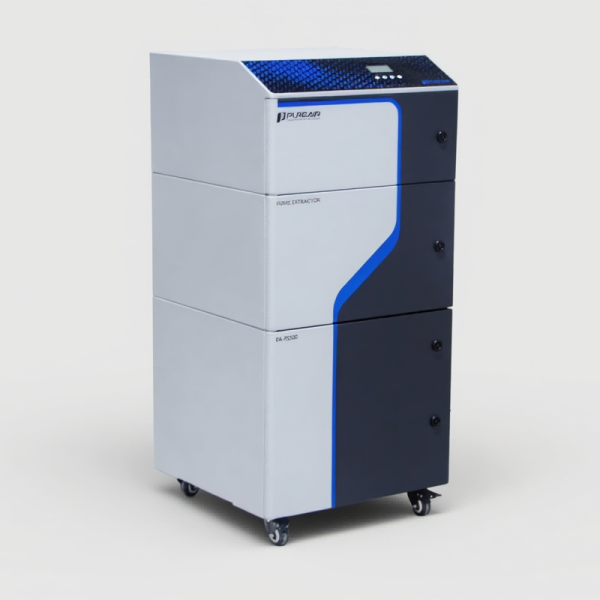
First, filtration mismatch — the filter element is too coarse, so PM2.5 and ultrafine particles slip through. Second, airflow design — poor sealing, wrong duct length, and back pressure reduce capture efficiency. Third, maintenance neglect — clogged filters drastically lower CFM and change fan load, which can stress power converters or fan motors. These are engineering problems as much as they are user habits. If you care about consistent prints, operator safety, and legal compliance, you need to treat extraction as part of the printer system, not an afterthought. I’ve seen clear print improvement when shops upgraded to proper HEPA + activated carbon stacks and monitored airflow. The payoff: fewer clogged nozzles, less resin haze on parts, and happier people.
Looking forward: practical steps and what the next generation of extractors brings
Building on those observations, I want to describe where 3D printer fume extraction goes next and what you should expect. New systems focus on better sensor feedback, modular filter cartridges, and lower noise profiles without sacrificing airflow. I tested a few units that combined particle sensors, auto-adjust fan control, and accessible filter swaps; the difference in daily use is notable. With sensors you can track PM2.5 and VOC levels in real time and let the extractor ramp up only when needed — that saves energy and reduces fan wear. Future models will likely add smarter controls and better integration with printers via simple APIs.
What’s Next?
In practice, that means you get quieter operation, predictable filter life, and measurable air quality improvements. I recommend evaluating solutions on three clear metrics: filtration efficiency (HEPA rating and carbon load), consistent airflow rate under load (CFM at rated static pressure), and sensor / maintenance support (easy swaps, clear alerts). Those metrics map directly to fewer print failures, lower health risk, and less downtime. — funny how that works, right? Also consider serviceability: a sealed unit that’s hard to open becomes a trash can of old filters in weeks. Think modular, think measurable, and test with a cheap particle counter before you commit.
To wrap up: I’ve seen small shops transform their workflow by taking extraction seriously. We went from patchwork fans to a system that captures PM2.5 and VOCs, reduces odors, and keeps prints consistent. If you want a trusted source to start with, check solutions built for additive manufacturing and think about HEPA/activated carbon stacks and proper ducting. For anyone who cares about cleaner prints and healthier spaces, this is a practical upgrade worth the time and budget. For more options, see PURE-AIR: PURE-AIR.