
Introduction: A Question in the Workshop
Who among us has not stood over a bright, humming machine and wondered if the next cut will finally make the part sing? In many small and midsize shops today, decisions about equipment come down to comparisons among 5 axis CNC machining center manufacturers — a bewildering list that includes legacy firms and nimble newcomers alike. Data shows that precision parts demand reductions in setup time by up to 40% and tolerances within microns; yet shops still lose hours to repositioning and re-fixturing (I’ve seen it, and it pains me). So: how do we pick the right platform without succumbing to specs that sound good on paper but fail in the shop? Let’s unpack this step by step — and move on to what usually gets missed.
Part 1 — Where Traditional Approaches Fall Short
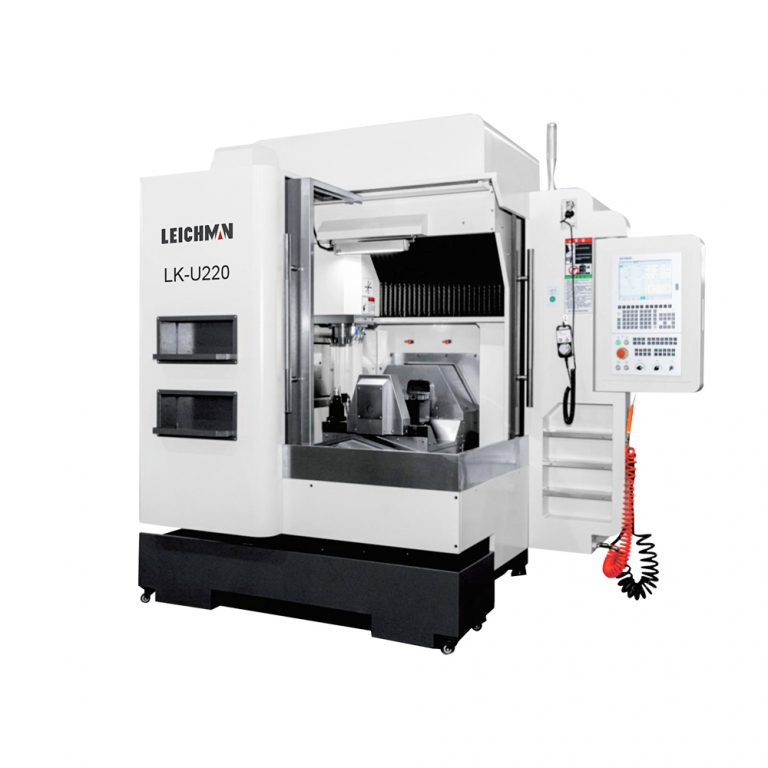
five axis cnc milling machine users often start with high hopes: one setup, complex geometries, fewer fixtures. But here’s the blunt truth — conventional solutions hide flaws that cost time, money, and trust. Many systems promise seamless integration yet ignore spindle torque limits and thermal drift that shift tolerances across long runs. Toolpath optimization on paper does not always match real-world cutting feedrate under load. I’ve watched teams waste days chasing a vibration issue that was really a coolant flow mismatch. Look, it’s simpler than you think: the machine’s advertised speeds are not the same as effective cutting speeds when you factor in rigidity and control-loop tuning.
Why do these gaps persist?
One big reason is that vendors and buyers talk past each other. Vendors highlight axis counts and rapid rates; shops care about consistent concentricity, tool life, and predictable cycle times. The control system — from servo drives to power converters and even edge computing nodes for monitoring — can be the weak link. We expect the controller to compensate for backlash and maintain position, but without conservative machining strategies and honest testing, you get parts that only pass inspection half the time. I argue we need better on-floor validation protocols. That means run-time logging, simple test coupons, and hands-on tuning — not just accepting the default CAM output. It’s practical. It’s human. And—funny how that works, right?—it improves yield fast.
Part 2 — Principles for the Next Generation
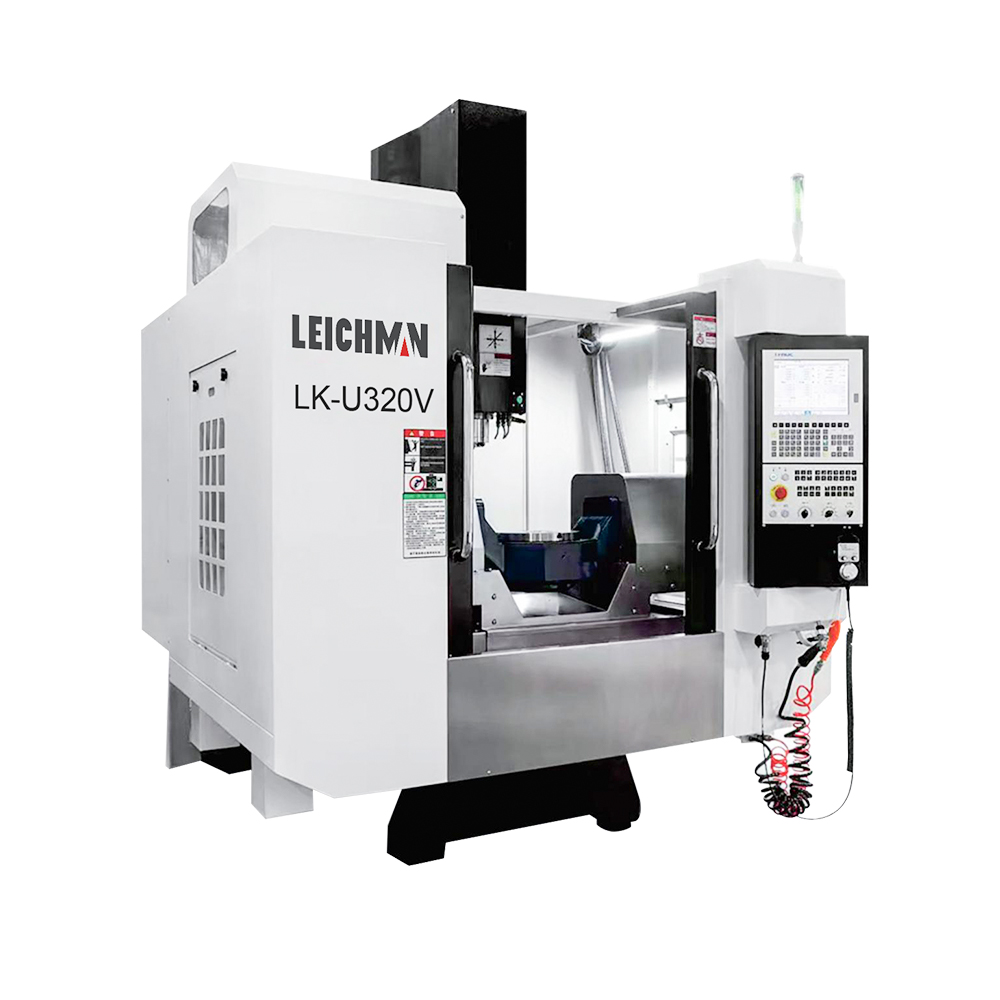
What if we focused on principles instead of product buzzwords? For me, the next step is clear: blend smarter control logic with pragmatic process design. Modern systems should pair adaptive control (real-time spindle load adjustments) with refined toolpath strategies that reduce peel cuts and micro-chatter. When I evaluate a 5 axis machining center, I look for a responsive control that logs spindle torque, supports advanced toolpath smoothing, and makes thermal compensation transparent to the operator. In practice, that reduces scrap and shortens qualification runs. I also like systems that let you throttle feedrates locally without rewriting entire programs — small changes, big wins.
What’s Next — Practical Technology Principles?
Think modular sensors, clearer diagnostics, and predictive maintenance that a machinist can actually use. Edge diagnostics should tell a human what to fix, not just flood them with unreadable error codes. And when a vendor claims ‘‘automation ready,’’ I test the cell integration with simple fixtures and a 30-part batch. If it survives, we talk numbers. — this is where the promise meets reality.
To wrap up, consider three core metrics before you decide: repeatability under loaded conditions, true cycle time with realistic feeds and speeds, and the quality of diagnostic feedback for on-floor technicians. Measure those, weigh them, and you’ll choose a platform that pays back in uptime and confidence. I’ve done this; the difference is dramatic. For reliable choices and deeper product info, see Leichman.